Best Essential Oils for Menopause Relief
<p>The best essential oils for menopause relief include clary sage for hormone balance, lavender for sleep and relaxation, and peppermint for hot flash relief. Geranium can support mood, and thyme…
- Published
- Written by
- Women In Balance Team
- Reading time
- 13 minutes
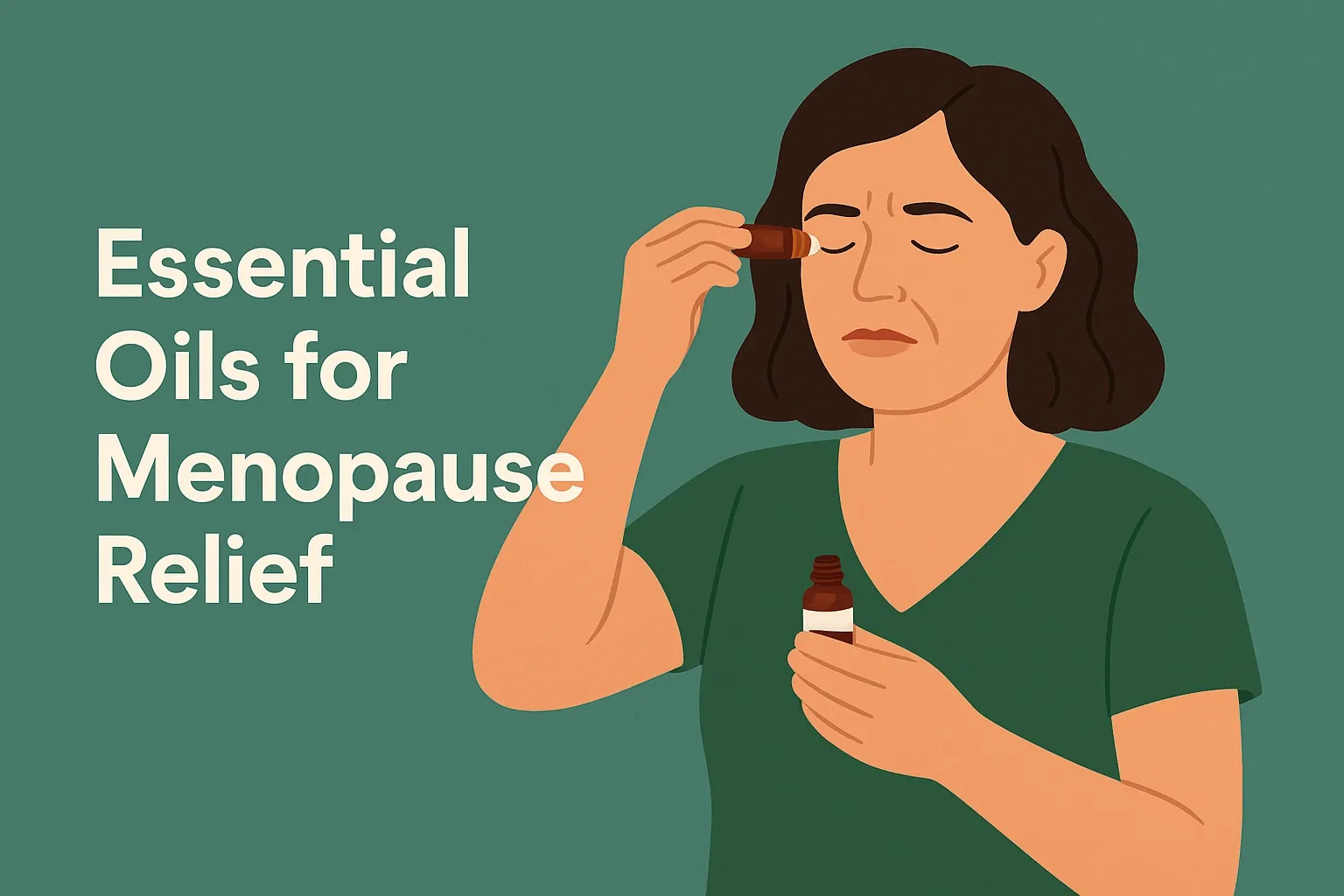
The best essential oils for menopause relief include clary sage for hormone balance, lavender for sleep and relaxation, and peppermint for hot flash relief. Geranium can support mood, and thyme may help regulate hormones. Use these oils in diffusers, baths, or diluted for topical application to ease symptoms.
Key Takeaways
- Essential oils for menopause can provide natural, complementary relief for common symptoms like hot flashes, mood swings, and sleep disturbances when used safely and appropriately
- Clary sage, lavender, peppermint, geranium, and ylang ylang are among the most effective oils for addressing various menopausal symptoms through different application methods
- Proper dilution and safety precautions are essential when using aromatherapy during menopause, and these natural remedies should complement, not replace, professional medical care
Menopause marks a significant transition in a woman’s life, bringing changes that can affect everything from sleep patterns to emotional well-being. During this natural biological process, declining estrogen levels can trigger symptoms like hot flashes, night sweats, mood fluctuations, sleep disturbances, and feelings of anxiety or irritability. While these experiences are completely normal, they can significantly impact daily life and overall quality of well-being.
Many women are turning to natural approaches to help manage their menopausal journey, and essential oils for menopause have emerged as a popular complementary therapy. These concentrated plant extracts offer a gentle, natural way to address various symptoms while supporting emotional balance and physical comfort. Aromatherapy can be particularly appealing because it provides immediate, accessible relief that you can use in the comfort of your own home.
How Essential Oils Help During Menopause
Essential oils work through multiple pathways to provide relief during menopause. When inhaled, aromatic compounds travel directly to the limbic system in your brain, which controls emotions, memory, and hormone regulation. For midlife-related tension or back stiffness, pairing aromatherapy with chiropractic care can help address musculoskeletal contributors to discomfort. This direct connection explains why certain scents can instantly affect your mood, stress levels, and even physical symptoms.
Through topical application, essential oils can be absorbed through the skin and enter the bloodstream, where they may influence various bodily systems. Some essential oils contain compounds that may help support hormonal balance naturally, while others provide cooling, calming, or energizing effects that can counteract specific menopausal symptoms.
The beauty of aromatherapy lies in its versatility and immediate accessibility. Unlike pharmaceutical interventions, essential oils can be used as needed throughout the day, providing on-demand relief for symptoms like sudden hot flashes or waves of anxiety. Additionally, many women find that the ritual of using essential oils—whether through diffusion, massage, or baths—becomes a form of self-care that supports both physical comfort and emotional well-being.
It’s important to understand that essential oils work as complementary remedies, supporting your body’s natural healing processes rather than replacing medical treatment. They can be particularly valuable during perimenopause when symptoms may be unpredictable and varying in intensity.
Research suggests that aromatherapy may help by reducing stress hormones like cortisol, promoting relaxation, improving sleep quality, and potentially influencing hormone production through the hypothalamic-pituitary axis. While more research is needed to fully understand all mechanisms, many women report significant relief from incorporating essential oils into their menopause management routine.
Best Essential Oils for Menopause Symptoms
Clary Sage
Clary sage stands out as one of the most beneficial essential oils for menopause due to its natural estrogen-like compounds called sclareol. This powerful oil may help balance hormonal fluctuations and provide relief from some of the most challenging menopausal symptoms.
Benefits for menopause:
- May help reduce the frequency and intensity of hot flashes
- Supports emotional balance and reduces anxiety
- Can improve sleep quality and reduce nighttime restlessness
- May help regulate menstrual cycles during perimenopause
- Provides natural mood stabilization
How to use: Add 2-3 drops to a diffuser, dilute with carrier oil for abdominal massage, or add to evening bath water. Many women find clary sage particularly effective when used consistently over time rather than just during acute symptoms.
Lavender
Lavender is perhaps the most well-known calming essential oil, making it invaluable for managing the emotional and sleep-related challenges of menopause. Its gentle, familiar scent provides immediate comfort while its therapeutic compounds work to reduce stress and promote relaxation.
Benefits for menopause:
- Significantly improves sleep quality and reduces insomnia
- Helps manage anxiety, irritability, and mood swings
- Provides natural stress relief during overwhelming moments
- May help reduce headache frequency and intensity
- Supports overall emotional well-being
How to use: Diffuse in the bedroom before sleep, apply diluted oil to pulse points, add to pillowcases, or use in relaxing baths. Lavender is gentle enough for daily use and combines well with other calming oils.
Peppermint
Peppermint oil offers immediate cooling relief, making it particularly valuable for managing hot flashes and the physical discomfort that can accompany menopause. Its invigorating properties can also help combat fatigue and mental fog.
Benefits for menopause:
- Provides instant cooling relief during hot flashes
- Helps reduce nausea that some women experience during menopause
- Can alleviate headaches and tension
- Improves mental clarity and reduces brain fog
- Offers energizing effects when fatigue strikes
How to use: Apply diluted oil to the back of the neck during hot flashes, inhale directly from the bottle for quick relief, add to a cooling spritz, or use in foot soaks. Always dilute peppermint oil well, as it can be intense on sensitive skin.
Geranium
Geranium oil is particularly valued for its hormone-balancing properties and ability to support both physical and emotional well-being during menopause. Its floral, uplifting scent can help improve mood while its therapeutic compounds work to regulate various body systems.
Benefits for menopause:
- Supports natural hormone balance and regulation
- Helps reduce water retention and bloating
- Provides mood elevation and emotional stability
- May help regulate body temperature
- Supports healthy skin during hormonal changes
How to use: Add to daily moisturizer, diffuse throughout the day, use in hormone-balancing massage blends, or add to weekly baths. Geranium blends beautifully with other floral oils and can be used regularly as part of a daily routine.
Ylang Ylang
Ylang ylang offers powerful emotional support during menopause, helping to combat the anxiety, depression, and emotional volatility that can accompany hormonal changes. Its exotic, floral scent is both calming and uplifting.
Benefits for menopause:
- Significantly reduces anxiety and promotes calm
- Helps combat depression and emotional lows
- May support healthy blood pressure regulation
- Enhances feelings of self-confidence and femininity
- Can help improve libido and intimacy comfort
How to use: Diffuse during stressful times, add to personal inhalers for on-the-go relief, blend with carrier oil for relaxing massage, or use in romantic settings to support intimacy. Start with small amounts, as ylang ylang can be overwhelming in large concentrations.
Additional Beneficial Oils
Bergamot: Excellent for mood support and reducing anxiety Fennel: May help with digestive issues and bloating Cypress: Supports circulation and may help with water retention Roman Chamomile: Provides gentle calming and sleep support Rose: Offers emotional comfort and may support hormonal balance
The cultural and individual variation in menopause experiences means that different oils may work better for different women. Experimenting with various oils and blends can help you discover what works best for your unique symptom pattern.
How to Use Essential Oils Safely
Safety should always be your top priority when using essential oils during menopause. While these natural remedies are generally gentle, they are highly concentrated and can cause adverse reactions if used improperly.
Dilution Guidelines
Essential oils should almost always be diluted before skin application. For most adults, a 2-3% dilution is appropriate, which means:
- 2-3 drops of essential oil per teaspoon (5ml) of carrier oil
- 12-18 drops of essential oil per ounce (30ml) of carrier oil
Good carrier oils include jojoba, batana oil, sweet almond, coconut, or grapeseed oil. These neutral oils help deliver the essential oil safely while providing their own skin-nourishing benefits.
Application Methods
Diffusion:
- Add 4-6 drops to a quality diffuser
- Diffuse for 15-30 minutes at a time
- Ensure adequate room ventilation
- Clean your diffuser regularly
Topical Application:
- Always perform a patch test first
- Apply to pulse points, temples, or specific areas of concern
- Avoid sensitive areas like eyes, inner ears, and mucous membranes
- Wash hands thoroughly after application
Bath Application:
- Mix 5-8 drops with a carrier oil or bath salts before adding to water
- Never add undiluted oils directly to bath water
- Soak for 15-20 minutes maximum
- Rinse off after bathing
Inhalation:
- Add 1-2 drops to a tissue or personal inhaler
- Inhale directly from the bottle for quick relief
- Use steam inhalation with 2-3 drops in hot water
While self-application is convenient, many women find that professional treatments offer deeper relaxation; you can explore local full-body massage providers and wellness experts through platforms like Locanto to find experienced practitioners in your area.
Important Safety Precautions
Skin Sensitivity: Always perform a patch test by applying diluted oil to a small area of skin and waiting 24 hours to check for reactions.
Sun Sensitivity: Citrus oils can increase sun sensitivity. Avoid sun exposure for 12-24 hours after topical application of bergamot, lemon, or other citrus oils.
Quality Matters: Choose pure, therapeutic-grade essential oils from reputable suppliers. Avoid synthetic fragrances or adulterated oils.
Storage: Store oils in dark glass bottles away from heat and light. Most oils last 2-3 years when stored properly.
Pregnancy and Nursing: If you’re still in perimenopause and could become pregnant, research oil safety or consult a professional before use.
Contraindications and Considerations
Certain medical conditions and medications may interact with essential oils. Be particularly cautious if you have:
- Asthma or respiratory conditions
- Epilepsy or seizure disorders
- High or low blood pressure
- Liver or kidney disease
- Skin conditions like eczema or dermatitis
Always start with lower concentrations and shorter exposure times to assess your individual tolerance. What works wonderfully for one woman may not suit another, so patience and experimentation are key to finding your ideal aromatherapy routine.
When to Seek Professional Advice
While essential oils can provide wonderful complementary support during menopause, it’s crucial to understand when professional guidance becomes necessary. These natural remedies should enhance, not replace, comprehensive healthcare during this important life transition.
Consult Your Healthcare Provider If:
Severe Symptoms Interfere with Daily Life:
- Hot flashes occur multiple times per day and disrupt work or sleep
- Mood changes are severe or include thoughts of self-harm
- Sleep disturbances persist despite multiple interventions
- Physical symptoms like heart palpitations or dizziness occur
You’re Considering Hormone Replacement Therapy: Essential oils should be discussed with your healthcare provider if you’re using or considering hormone replacement therapy, as some oils may interact with medications or affect hormone levels.
You Have Underlying Health Conditions: Women with cardiovascular disease, diabetes, liver conditions, or other chronic health issues should consult their healthcare team before incorporating essential oils into their routine.
Symptoms Worsen or New Symptoms Appear: While menopause symptoms can vary, any sudden worsening or appearance of new, concerning symptoms warrants medical evaluation.
Working with Certified Aromatherapists
A certified aromatherapist can provide personalized guidance for using essential oils safely and effectively during menopause. They can:
- Create custom blends for your specific symptom pattern
- Provide detailed safety guidelines for your situation
- Recommend application methods that work best for your lifestyle
- Help you track which oils provide the most benefit
Look for aromatherapists with credentials from recognized organizations and experience working with menopausal women.
Integrative Approach to Menopause
The most effective approach to managing menopause often combines multiple strategies:
- Medical care for severe symptoms or health monitoring
- Lifestyle modifications including diet, exercise, and stress management
- Complementary therapies like aromatherapy, acupuncture, or massage
- Social support from family, friends, or support groups
Remember that issues like losing sleep over menopause or other persistent symptoms deserve professional attention. Essential oils can be part of a comprehensive approach but shouldn’t delay appropriate medical care.
It’s also worth noting that certain lifestyle factors can significantly impact your menopausal experience. For instance, cigarettes negatively affect hormone balance, potentially worsening symptoms. Understanding these connections helps you make informed decisions about your overall health strategy.
Additional Natural Support During Menopause
While essential oils provide excellent symptom relief, combining aromatherapy with other natural approaches can enhance your overall comfort and well-being during menopause.
Lifestyle Factors That Enhance Essential Oil Effectiveness
Stress Management: Since stress can worsen menopausal symptoms, essential oils work best when combined with other stress-reduction techniques like meditation, yoga, or regular exercise.
Sleep Hygiene: Using calming essential oils like lavender becomes more effective when paired with good sleep practices—consistent bedtimes, cool sleeping environments, and limited screen time before bed.
Nutrition: A balanced diet rich in phytoestrogens, omega-3 fatty acids, and antioxidants can support hormonal balance while essential oils address acute symptoms.
Hydration: Proper hydration supports your body’s natural detoxification processes and can help regulate body temperature, making cooling oils like peppermint more effective.
Environmental Considerations
Be mindful of potential exposure to xenoestrogens—environmental chemicals that can disrupt hormone balance. Using pure, natural essential oils while reducing exposure to synthetic fragrances and chemicals creates a more supportive environment for hormonal health.
Addressing Specific Concerns
For women dealing with decreased libido during menopause, certain essential oils can feel sexier and increase libido when used thoughtfully. Ylang ylang, rose, and jasmine oils can help restore confidence and sensuality during this transition.
If you’re experiencing symptoms related to hormone imbalance beyond typical menopause, essential oils can provide supportive care while you work with healthcare providers to address underlying issues.
Conclusion
Essential oils for menopause offer a natural, accessible way to manage the physical and emotional challenges of this significant life transition. From clary sage’s hormone-balancing properties to lavender’s sleep-promoting benefits, these concentrated plant extracts can provide meaningful relief when used safely and consistently.
The key to success with aromatherapy during menopause lies in understanding that essential oils work best as part of a comprehensive approach to health and wellness. They provide immediate, gentle relief for acute symptoms while supporting your overall sense of well-being and self-care during this transformative time.
Remember that every woman’s menopause journey is unique. What works wonderfully for your friend or family member may need adjustment for your specific needs and preferences. Be patient with yourself as you explore different oils, application methods, and routines to discover what brings you the most comfort and relief.
Start your essential oil journey today by choosing one or two oils that address your most bothersome symptoms. Begin with small amounts, prioritize safety through proper dilution, and pay attention to how your body responds. Consider keeping a simple journal to track which oils and methods provide the most benefit for your specific symptom pattern.
Most importantly, view essential oils as valuable allies in your menopause journey rather than miracle cures. When combined with appropriate medical care, lifestyle modifications, and self-compassion, aromatherapy can help you navigate this transition with greater comfort, confidence, and grace.
Frequently Asked Questions
Can essential oils delay menopause?
No, essential oils cannot delay menopause, as this is a natural biological process determined by genetics, age, and overall health factors. Menopause occurs when your ovaries naturally stop producing eggs and estrogen levels decline significantly. While essential oils can help manage symptoms and support overall well-being during this transition, they cannot prevent or postpone the natural aging process of your reproductive system. However, some oils like clary sage may help regulate irregular periods during perimenopause, potentially making the transition feel more manageable. If you’re experiencing very early menopause or concerning changes in your cycle, it’s important to consult with a healthcare provider rather than relying solely on natural remedies.
Are there any side effects of using essential oils long-term?
When used properly with appropriate dilution and safety precautions, most essential oils can be used long-term without significant side effects. However, some considerations include potential skin sensitization with prolonged use of certain oils, particularly those high in allergens like tea tree or cinnamon oils. Some people may develop headaches from overexposure to strong scents, and certain oils can interact with medications or affect blood pressure over time. It’s wise to rotate oils periodically, take occasional breaks from daily use, and monitor your body’s responses. If you’re using oils daily for months or years, consider consulting with a certified aromatherapist for personalized guidance. Always discontinue use if you experience persistent skin irritation, respiratory issues, or other concerning symptoms.
Can essential oils affect hormone replacement therapy?
Essential oils may potentially interact with hormone replacement therapy (HRT), though research in this area is limited. Some oils, particularly those with estrogen-like compounds such as clary sage, fennel, or anise, could theoretically affect hormone levels or interact with synthetic hormones. However, when used in typical aromatherapy concentrations, most essential oils are unlikely to cause significant interactions. The bigger concern is that some oils might mask symptoms that your healthcare provider needs to monitor while adjusting HRT dosages. Always inform your healthcare provider about all essential oils you’re using regularly, especially if you’re starting HRT or having dosage adjustments. Your provider can help you determine which oils are safest to continue and may recommend avoiding certain hormone-active oils during the initial months of HRT when your body is adjusting to treatment.