Are Painful Periods a Sign of Good Fertility?
<p>Painful periods are not a reliable sign of good fertility. While cramps can result from normal ovulation, severe pain may indicate conditions like endometriosis or fibroids, which can reduce…
- Published
- Written by
- Women In Balance Team
- Reading time
- 12 minutes
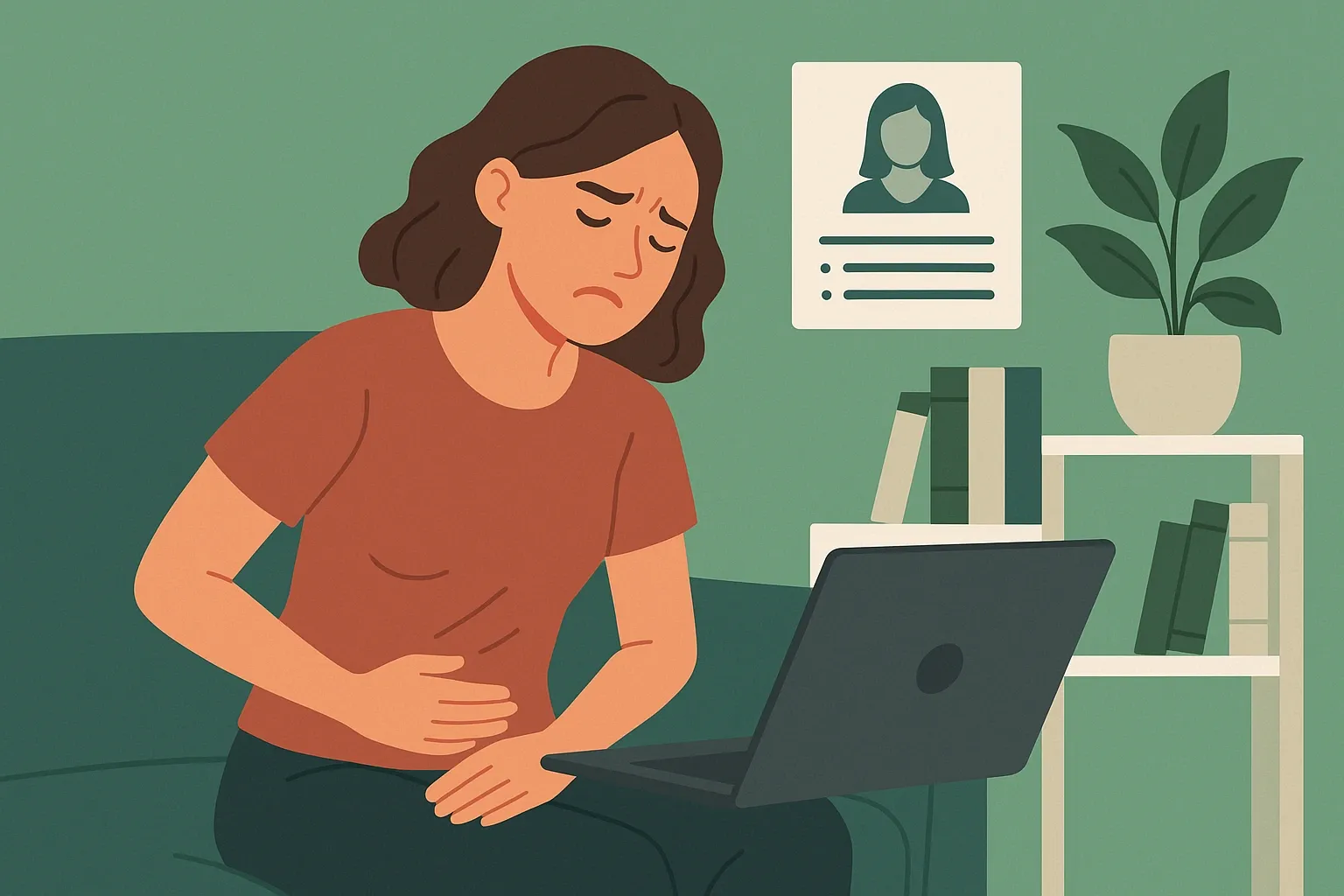
Painful periods are not a reliable sign of good fertility. While cramps can result from normal ovulation, severe pain may indicate conditions like endometriosis or fibroids, which can reduce fertility. Mild discomfort alone does not confirm fertility. A medical evaluation is needed to assess reproductive health accurately.
Key Takeaways
- Painful periods are not a sign of good fertility—this is a harmful myth that can delay diagnosis of serious reproductive health conditions
- Severe menstrual pain often indicates underlying conditions like endometriosis or fibroids that can actually impair fertility
- Normal fertility doesn’t require painful periods—healthy reproductive function should involve manageable discomfort, not debilitating pain
Every month, millions of women experience menstrual pain that ranges from mild cramping to debilitating agony that disrupts work, relationships, and daily life. If you’ve ever doubled over with period pain or spent days each month managing intense cramps, you might have heard the old saying that “painful periods mean you’re very fertile.” This belief suggests that the more pain you experience, the better your reproductive health must be.
But are painful periods a sign of good fertility? The short answer is no—and believing this myth can actually be harmful to your reproductive health. While mild menstrual discomfort is completely normal, severe or worsening period pain often signals underlying conditions that can negatively impact your ability to conceive and maintain a healthy pregnancy.
This widespread misconception has led many women to suffer in silence, dismissing serious symptoms as “just part of being a woman” or even wearing their pain as a badge of fertility honor. The reality is that optimal reproductive health involves regular, manageable cycles—not months of suffering. Understanding the truth about menstrual pain and fertility can help you recognize when symptoms warrant medical attention and take steps to protect your reproductive future.
Understanding Menstrual Pain
Menstrual pain, medically known as dysmenorrhea, affects up to 90% of women at some point in their reproductive years, though the severity varies dramatically from person to person. To understand the relationship between period pain and fertility, it’s important to distinguish between different types of menstrual discomfort and their underlying causes.
Primary dysmenorrhea refers to period pain that isn’t caused by any underlying medical condition. This type of cramping typically begins just before or during menstruation and results from natural uterine contractions as the muscle works to shed its lining. The pain is caused by prostaglandins, hormone-like compounds that trigger uterine contractions and can also cause nausea, headaches, and diarrhea. Primary dysmenorrhea usually improves with age and often decreases significantly after childbirth.
Secondary dysmenorrhea involves menstrual pain caused by an underlying reproductive health condition. This type of pain often starts earlier in the menstrual cycle, lasts longer than typical cramps, and tends to worsen over time rather than improving. Secondary dysmenorrhea frequently indicates conditions that can impact fertility, making it crucial to seek medical evaluation when pain patterns change or intensify.
The intensity of menstrual pain can range from mild discomfort that’s easily managed with over-the-counter pain relievers to severe pain that requires prescription medication and significantly impacts quality of life. Research indicates that approximately 20% of women experience severe menstrual pain that interferes with daily activities, while about 5-15% have pain so intense it prevents them from working or attending school.
Common symptoms accompanying menstrual pain include lower abdominal cramping that may radiate to the back and thighs, nausea and vomiting, headaches, dizziness, and changes in bowel habits. The timing of these symptoms matters significantly—pain that begins several days before menstruation or continues well after bleeding stops often indicates secondary dysmenorrhea and warrants medical investigation.
The Link Between Painful Periods and Fertility
The belief that painful periods indicate good fertility likely stems from the misconception that more intense hormones and reproductive activity translate to better fertility. However, medical research consistently shows that this relationship doesn’t exist—and in many cases, the opposite is true.
Normal, healthy ovulation and menstruation don’t require excruciating pain. While mild cramping is common as the uterus contracts to shed its lining, severe pain often signals inflammation, structural abnormalities, or hormonal imbalances that can interfere with conception and pregnancy maintenance. The reproductive system functions most efficiently when operating smoothly, without the chronic inflammation and tissue damage that typically accompany severely painful periods.
Many women with excellent fertility experience relatively comfortable periods with only mild cramping that’s easily managed with simple remedies. Conversely, conditions that cause severe menstrual pain—such as endometriosis, fibroids, and pelvic inflammatory disease—are often associated with reduced fertility rates and increased pregnancy complications.
The myth persists partly because some fertility-affecting conditions can initially increase certain hormone levels or cause more noticeable ovulation symptoms, which might be misinterpreted as signs of “strong” fertility. However, these same conditions typically lead to decreased fertility over time as inflammation, scarring, and tissue damage accumulate.
Understanding this distinction is crucial because dismissing severe period pain as “normal” or even “good” can delay diagnosis and treatment of conditions that significantly impact reproductive health. Early intervention for fertility-affecting conditions often leads to better outcomes for both pain management and future pregnancy success.
Endometriosis and Fertility
Endometriosis affects approximately 10% of reproductive-age women and represents one of the most common causes of both severe menstrual pain and fertility problems. This condition occurs when tissue similar to the uterine lining grows outside the uterus, typically on the ovaries, fallopian tubes, and other pelvic organs.
The relationship between endometriosis and fertility is complex and multifaceted. The displaced endometrial tissue responds to monthly hormonal changes just like the uterine lining, thickening and bleeding during each menstrual cycle. However, unlike menstrual blood that exits through the vagina, this blood has nowhere to go, leading to inflammation, scarring, and the formation of adhesions that can distort pelvic anatomy.
| Fertility Impact | Mechanism | Percentage Affected |
|---|---|---|
| Tubal blockage | Adhesions and scarring | 20-30% of cases |
| Ovarian function impairment | Endometriomas (chocolate cysts) | 40-50% of cases |
| Implantation problems | Inflammatory environment | Up to 70% of cases |
| Egg quality reduction | Chronic inflammation | Variable |
These anatomical and functional changes significantly impact fertility in multiple ways. Adhesions can block or distort fallopian tubes, preventing eggs from traveling from the ovaries to the uterus. Endometriomas (endometrial cysts on the ovaries) can damage healthy ovarian tissue and reduce egg reserves. The chronic inflammatory environment affects egg quality, sperm function, and embryo implantation.
Statistics reveal the fertility challenges associated with endometriosis. While mild endometriosis may only slightly reduce pregnancy rates, moderate to severe cases can decrease monthly conception chances by 50% or more. However, pregnancy is still possible with endometriosis, especially with proper treatment and medical support.
Treatment options for endometriosis focus on managing pain while preserving fertility. Conservative surgical approaches can remove endometrial implants and adhesions while leaving reproductive organs intact. Hormonal treatments may help control symptoms but often aren’t suitable for women actively trying to conceive. For severe cases, assisted reproductive technologies like IVF can help overcome anatomical barriers to conception.
Uterine Fibroids and Fertility
Uterine fibroids are non-cancerous growths that develop in or around the uterine wall, affecting up to 70% of women by age 50. While many fibroids cause no symptoms, others can lead to heavy menstrual bleeding, pelvic pressure, and significant pain that many women mistake for “normal” period discomfort.
The impact of fibroids on fertility depends largely on their size, number, and location within the uterus. Fibroids that grow into the uterine cavity (submucosal fibroids) pose the greatest fertility risks because they can interfere with embryo implantation and increase miscarriage rates. Large fibroids can distort the uterine shape, making it difficult for a fertilized egg to implant properly or for a pregnancy to develop normally.
Fibroids can also cause fertility problems by blocking the fallopian tubes, preventing sperm from reaching the egg or blocking the passage of a fertilized egg to the uterus. Large or numerous fibroids may reduce blood flow to the uterine lining, creating an environment less conducive to implantation and early pregnancy development.
The good news is that many fibroid-related fertility problems are treatable. Treatment options range from minimally invasive procedures that remove only the problematic fibroids (myomectomy) to newer techniques like uterine fibroid embolization that shrink fibroids by cutting off their blood supply. The choice of treatment depends on factors like fibroid size and location, symptoms severity, and fertility goals.
Other Conditions Affecting Fertility
Several additional conditions can cause painful periods while negatively impacting fertility, highlighting why severe menstrual pain should never be dismissed as a positive sign.
Pelvic inflammatory disease (PID) results from bacterial infections that spread from the vagina or cervix to the reproductive organs. This condition can cause severe pelvic pain, irregular bleeding, and fever. If left untreated, PID can lead to scarring of the fallopian tubes, significantly increasing the risk of infertility and ectopic pregnancy. Early antibiotic treatment is crucial for preventing long-term fertility complications.
Adenomyosis occurs when the uterine lining grows into the muscle wall of the uterus, causing severe cramping, heavy bleeding, and an enlarged uterus. This condition can make it difficult for embryos to implant and may increase miscarriage rates. Treatment options include hormonal therapies and, in severe cases, surgical intervention.
While polycystic ovary syndrome (PCOS) doesn’t typically cause severe menstrual pain, it can lead to irregular or absent periods and represents one of the most common causes of female infertility. Women with PCOS often have hormone imbalance that affects ovulation, though the condition is usually manageable with proper medical care.
The key message is that proper diagnosis is essential for addressing both pain and fertility concerns. Many conditions that cause painful periods can be effectively treated when identified early, often improving both comfort and reproductive outcomes.
When to Consult a Healthcare Provider
Recognizing when menstrual pain warrants medical evaluation can be the difference between managing a treatable condition and allowing it to progress to the point where fertility is compromised. While some degree of menstrual discomfort is normal, certain patterns and symptoms should prompt you to seek professional medical assessment.
Severe pain that disrupts your daily life represents one of the clearest indicators for medical consultation. If you regularly miss work, school, or social activities due to period pain, or if you find yourself unable to function normally during menstruation, this level of discomfort isn’t something you should simply endure. Pain that requires prescription-strength medication or that doesn’t respond to over-the-counter pain relievers also warrants evaluation.
Progressive worsening of menstrual pain over time is another important warning sign. While some women experience changes in their periods due to age, stress, or life circumstances, pain that becomes increasingly severe with each cycle often indicates an underlying condition that’s progressing. This pattern is particularly concerning if it develops after years of relatively comfortable periods.
Changes in menstrual patterns alongside increased pain deserve attention. This includes periods that become much heavier or lighter than usual, cycles that become significantly longer or shorter, bleeding between periods, or periods that stop altogether. These changes, especially when accompanied by increased pain, can indicate conditions affecting both comfort and fertility.
Difficulty conceiving while experiencing painful periods should prompt evaluation even if you’ve been trying for less than a year. Given that conditions like endometriosis can significantly impact fertility, early assessment can identify treatable factors that might be preventing conception. This is particularly important for women over 35, who have less time to address fertility-affecting conditions.
Additional symptoms that should prompt medical consultation include pain during intercourse, chronic pelvic pain that occurs outside of menstruation, gastrointestinal symptoms that worsen during periods, and urinary symptoms associated with menstruation. These can all indicate conditions that affect both quality of life and reproductive health.
Managing Menstrual Pain and Supporting Fertility
Effective management of menstrual pain often involves a multi-faceted approach that addresses both immediate comfort and long-term reproductive health. The strategies you choose will depend on the underlying cause of your pain, your fertility goals, and your individual health circumstances.
For primary dysmenorrhea (pain without underlying conditions), several approaches can provide significant relief while supporting overall reproductive health. Non-steroidal anti-inflammatory drugs (NSAIDs) like ibuprofen work particularly well for menstrual cramps because they reduce prostaglandin production, addressing the root cause of pain rather than just masking symptoms. Taking NSAIDs at the first sign of cramping, even before pain becomes severe, often provides better relief than waiting until pain peaks.
Heat therapy remains one of the most accessible and effective pain management tools. Heating pads, warm baths, or heat patches can relax uterine muscles and improve blood flow, reducing cramping intensity. Many women find that combining heat therapy with gentle movement or stretching enhances the benefits.
Regular exercise, particularly aerobic activity, can significantly reduce menstrual pain over time. Exercise increases endorphin production, improves circulation, and may help regulate hormones involved in menstruation. Activities like yoga specifically designed for menstrual health can provide both physical relief and stress reduction benefits.
For secondary dysmenorrhea caused by underlying conditions, treatment approaches focus on addressing the root cause while managing symptoms. Hormonal birth control can be highly effective for many women, reducing both pain and heavy bleeding associated with conditions like endometriosis and fibroids. However, women actively trying to conceive will need alternative approaches.
| Treatment Type | Primary Use | Fertility Considerations |
|---|---|---|
| NSAIDs | Pain relief | Generally safe when trying to conceive |
| Hormonal BC | Pain + bleeding control | Prevents pregnancy |
| Surgery | Structural problems | Can improve fertility outcomes |
| Lifestyle changes | Overall health | Supports reproductive health |
Surgical interventions may be necessary for conditions significantly impacting both pain and fertility. Modern minimally invasive techniques can often address problems like fibroids or endometriosis while preserving reproductive function. These procedures can sometimes dramatically improve both pain levels and pregnancy success rates.
Complementary approaches like acupuncture, dietary modifications, and stress management techniques may provide additional benefits when used alongside conventional treatments. Some women find that reducing inflammatory foods, increasing omega-3 fatty acids, and managing stress through meditation or counseling helps with both pain management and overall reproductive health.
The connection between ovulation pain and fertility differs from menstrual pain—mild ovulation discomfort can actually indicate healthy reproductive function, unlike severe period pain which often suggests problems.
Conclusion
The myth that painful periods indicate good fertility is not only false but potentially harmful to women’s reproductive health. Severe menstrual pain often signals underlying conditions like endometriosis, fibroids, or pelvic inflammatory disease that can significantly impair fertility if left untreated. Understanding this truth empowers you to seek appropriate medical care rather than suffering in silence or, worse, taking pride in pain that may be damaging your reproductive future.
Healthy fertility doesn’t require excruciating monthly suffering. The reproductive system functions best when operating smoothly, without the chronic inflammation and tissue damage that typically accompany severely painful periods. Women with excellent fertility often experience manageable periods with minimal disruption to their daily lives.
The most important step you can take today is to honestly evaluate your menstrual experience. If you’re experiencing severe pain, progressive worsening of symptoms, or any concerns about your reproductive health, schedule an appointment with a healthcare provider who specializes in women’s health. Early intervention for fertility-affecting conditions often leads to better outcomes for both pain management and future pregnancy success.
Remember that advocating for your health isn’t just about managing current discomfort—it’s about protecting your reproductive future and overall quality of life. Every woman deserves to have her pain taken seriously and to receive appropriate medical care that addresses both her immediate needs and long-term health goals. Don’t let outdated myths prevent you from seeking the care you deserve.
Frequently Asked Questions
Can you tell how fertile you are by your period?
No, you cannot determine your fertility level based solely on your period. While regular cycles with moderate flow may indicate normal hormonal function, many factors beyond menstruation affect fertility, including egg quality, fallopian tube health, and partner fertility. Only comprehensive fertility testing can provide a clear picture of your reproductive potential.
Do you have a higher risk of infertility if you have painful periods?
Yes, severely painful periods can indicate underlying conditions like endometriosis or fibroids that may affect fertility. However, many of these conditions are treatable, and early intervention often improves both pain and reproductive outcomes. Having painful periods doesn’t guarantee fertility problems, but it’s important to seek medical evaluation rather than ignoring severe symptoms.
How do I know if my menstrual pain is normal or a sign of a problem?
Normal menstrual pain involves mild to moderate cramping that lasts 1-3 days and responds to over-the-counter pain relievers without disrupting daily activities. Seek medical attention if you experience severe pain that interferes with work or school, pain that’s worsening over time, cramping that doesn’t respond to standard treatments, or pain accompanied by heavy bleeding, bleeding between periods, or pain during intercourse.