Why More Seniors Are Choosing Medical Alert Systems Over Assisted Living
<p>Picture this: It’s Tuesday morning, and 78-year-old Margaret is watering her prized tomatoes in the backyard garden she’s tended for over three decades. Her daughter Sarah, who lives two provinces…
- Published
- Written by
- Women In Balance Team
- Reading time
- 7 minutes
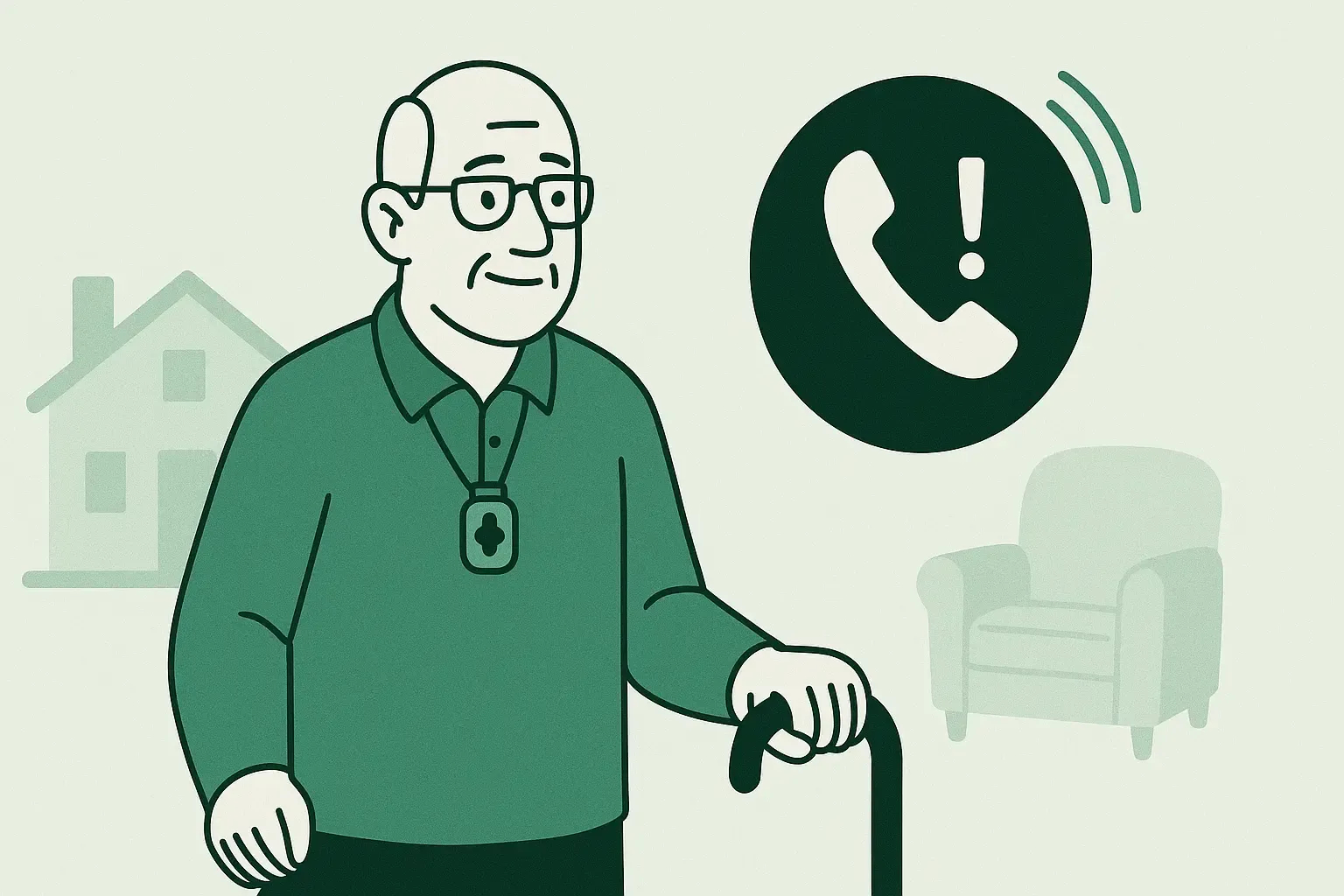
Picture this: It’s Tuesday morning, and 78-year-old Margaret is watering her prized tomatoes in the backyard garden she’s tended for over three decades. Her daughter Sarah, who lives two provinces away, used to lose sleep worrying about these solo gardening sessions. But now? Sarah sleeps soundly knowing her mom wears a medical alert device that connects her to help 24/7.
This scenario is becoming increasingly common across Canada. More seniors are saying “thanks, but no thanks” to assisted living facilities and choosing to stay put in their own homes. The rise of medical alert Canada solutions has made this possible for countless families who once thought moving to a care facility was their only safe option.
The numbers tell a compelling story. According to recent surveys, nearly 90% of seniors want to age in their own homes. And thanks to advancing technology, particularly medical alert systems, this dream is becoming reality for more families than ever before. Alongside medical alert systems, medication reminder services for seniors play an important role in supporting independent living by helping older adults manage daily prescriptions and reduce missed doses.
The Great Stay-Put Movement
Something interesting has been happening over the past decade. While assisted living facilities continue to pop up in communities everywhere, more seniors are choosing a different path entirely. They’re staying right where they are – in the homes where they raised their families, celebrated holidays, and built a lifetime of memories.
This shift isn’t just about stubbornness or nostalgia (though those certainly play their parts). It’s about recognizing that home truly can be the safest, most comfortable place to grow older – especially with the right support systems in place. For example, QR code linked to emergency contact lists or health information can now be seamlessly integrated into a senior’s daily routine, offering a quick way to access crucial details when needed.
Medical alert technology has evolved far beyond those clunky pendants from the 1990s. Today’s systems are sleek, reliable, and packed with features that make independent living not just possible, but genuinely safe and enjoyable.
Breaking Down the Real Costs
Let’s talk money – because let’s be honest, cost plays a huge role in these decisions. The sticker shock of assisted living can be overwhelming. In Canada, assisted living facilities typically cost between $3,000 to $6,000 per month, depending on location and level of care needed.
Now compare that to aging in place with a medical alert system:
Monthly Costs for Aging in Place:
- Medical alert system: $30-80 per month
- Occasional home care services: $200-500 per month
- Home modifications (averaged over time): $50-150 per month
- Grocery delivery and other services: $100-200 per month
Even when you add it all up, staying home typically costs 60-70% less than moving to assisted living. That’s not pocket change – that’s life-changing savings that can be used for travel, hobbies, or simply passed on to family members.
But here’s what really matters: these aren’t just numbers on a spreadsheet. They represent the difference between financial stress and financial freedom during what should be golden years.
Quality of Life: There’s No Place Like Home
Money aside, the quality of life factor is where aging in place really shines. Think about it – your home is set up exactly how you like it. You know where every light switch is, even in the dark. Your favorite coffee mug is in its usual spot. The neighbor’s dog still greets you every morning.
These little things add up to something big: comfort and familiarity that simply can’t be replicated elsewhere.
The Psychological Benefits:
- Maintaining established routines and rhythms
- Staying connected to longtime neighbors and community
- Keeping beloved pets (a major consideration for many seniors)
- Preserving independence and decision-making autonomy
- Avoiding the stress and adjustment period of relocating
Medical alert systems support all of these benefits by providing a safety net that doesn’t require giving up independence. Users can garden, cook, take walks, and live their lives normally – with the peace of mind that help is always just a button press away.
Real Stories from Real People
Meet Frank, an 82-year-old retired teacher from Vancouver. Two years ago, his adult children were pressuring him to sell his house and move to assisted living after he had a minor fall in his kitchen. Instead, Frank invested in a medical alert system with GPS tracking.
“I’m still living in my own place, still driving to the community center for bridge games twice a week,” Frank shares. “The only difference is I wear this little device, and my kids sleep better at night. Best investment I ever made.”
Then there’s Dorothy, 79, who lives alone in rural Ontario. After her husband passed away, her family worried about her isolation. A medical alert system with two-way communication features changed everything.
“I use the device to check in with monitoring staff sometimes, just to chat,” Dorothy explains. “It’s like having a friend available anytime I need one. Plus, when I had chest pains last winter, they had an ambulance to me in minutes. I might not be here today without it.”
These aren’t unique stories. They’re becoming the norm as more families discover that medical alert technology can bridge the gap between independence and safety.
Technology That Actually Makes Sense
Today’s medical alert systems aren’t your grandmother’s emergency pendants (unless your grandmother is pretty tech-savvy). Modern devices offer features that genuinely enhance daily life:
GPS Tracking: Perfect for seniors who still drive or enjoy walks but want family to know they’re safe.
Fall Detection: Automatic alerts if the system detects a fall, even if the user can’t press the button.
Medication Reminders: Built-in alerts help maintain medication schedules.
Two-Way Communication: Users can speak directly with monitoring professionals through the device.
Smartphone Integration: Some systems connect with family members’ phones for real-time updates.
Home Automation Compatibility: Integration with smart home systems for additional safety features.
The key is choosing a system that matches individual needs and comfort levels with technology. Not everyone needs all the bells and whistles – sometimes a basic system is perfect.
When Assisted Living Still Makes Sense
Let’s be clear: aging in place isn’t right for everyone. Medical alert systems are powerful tools, but they’re not magic solutions for every situation.
Assisted living might be the better choice when:
- Cognitive decline requires constant supervision
- Multiple complex medical conditions need round-the-clock monitoring
- Physical limitations make basic daily tasks dangerous
- Social isolation becomes severe despite support systems
- Home maintenance becomes unmanageable and unsafe
The beauty of medical alert systems is that they can extend the time seniors can safely live independently, giving families more time to make thoughtful decisions about future care needs.
Making the Decision: A Family Affair
Choosing between aging in place and assisted living shouldn’t be a solo decision. The best outcomes happen when families have honest, open conversations about everyone’s concerns, preferences, and expectations.
Questions to Discuss:
- What specific safety concerns need addressing?
- How important is staying in the current home?
- What’s the realistic budget for either option?
- Who will provide additional support if needed?
- What happens if health needs change?
Medical alert systems often serve as a perfect “trial run” for aging in place. Families can start with a basic system and add features or services as needs evolve. This gradual approach often works better than making dramatic changes all at once.
The Support Network Factor
Here’s something that doesn’t get talked about enough: aging in place works best when there’s a strong support network. Medical alert systems are one piece of the puzzle, but they work best alongside:
- Regular check-ins from family and friends
- Reliable healthcare providers who make house calls
- Trusted neighbors who keep an eye out
- Home maintenance services for repairs and upkeep
- Meal delivery or grocery services when needed
The good news? Most communities have more resources available than families realize. Local senior centers, faith communities, and volunteer organizations often provide services that make aging in place more feasible and enjoyable.
The Bottom Line
Choosing between aging in place and assisted living is deeply personal. There’s no universal right answer. But for many families, medical alert systems have opened up possibilities that didn’t exist before.
They’ve made it possible for seniors to stay in their homes longer, safer, and with greater peace of mind for everyone involved. And sometimes, that makes all the difference between just getting older and truly living well.
The best part? You don’t have to decide everything at once. Start with a conversation, consider a medical alert system, and see how it feels. Home sweet home might be closer than you think.