Normal Estradiol Levels by Age: Men and Women Guide
<p>Key Takeaways Understanding normal estradiol levels by age is essential for monitoring your hormonal health throughout life. According to the Endocrine Society, estradiol (also known as E2) is the…
- Published
- Written by
- Women In Balance Team
- Reading time
- 11 minutes
Key Takeaways
- Estradiol levels vary significantly by age, gender, and life stage – Understanding normal ranges helps identify potential hormonal imbalances early
- Women’s estradiol levels fluctuate dramatically – From puberty through menopause, levels can range from 15-350 pg/mL depending on menstrual cycle phase and age
- Men also need balanced estradiol – Normal male levels (10-40 pg/mL) are crucial for bone health, brain function, and cardiovascular wellness
- Men also need balanced estradiol – Normal male levels (10-40 pg/mL) are crucial for bone health, brain function, and cardiovascular wellness
Understanding normal estradiol levels by age is essential for monitoring your hormonal health throughout life. According to the Endocrine Society, estradiol (also known as E2) is the most biologically potent form of estrogen and plays vital roles in both men and women—from reproductive health to bone density, cardiovascular function, and cognitive health.
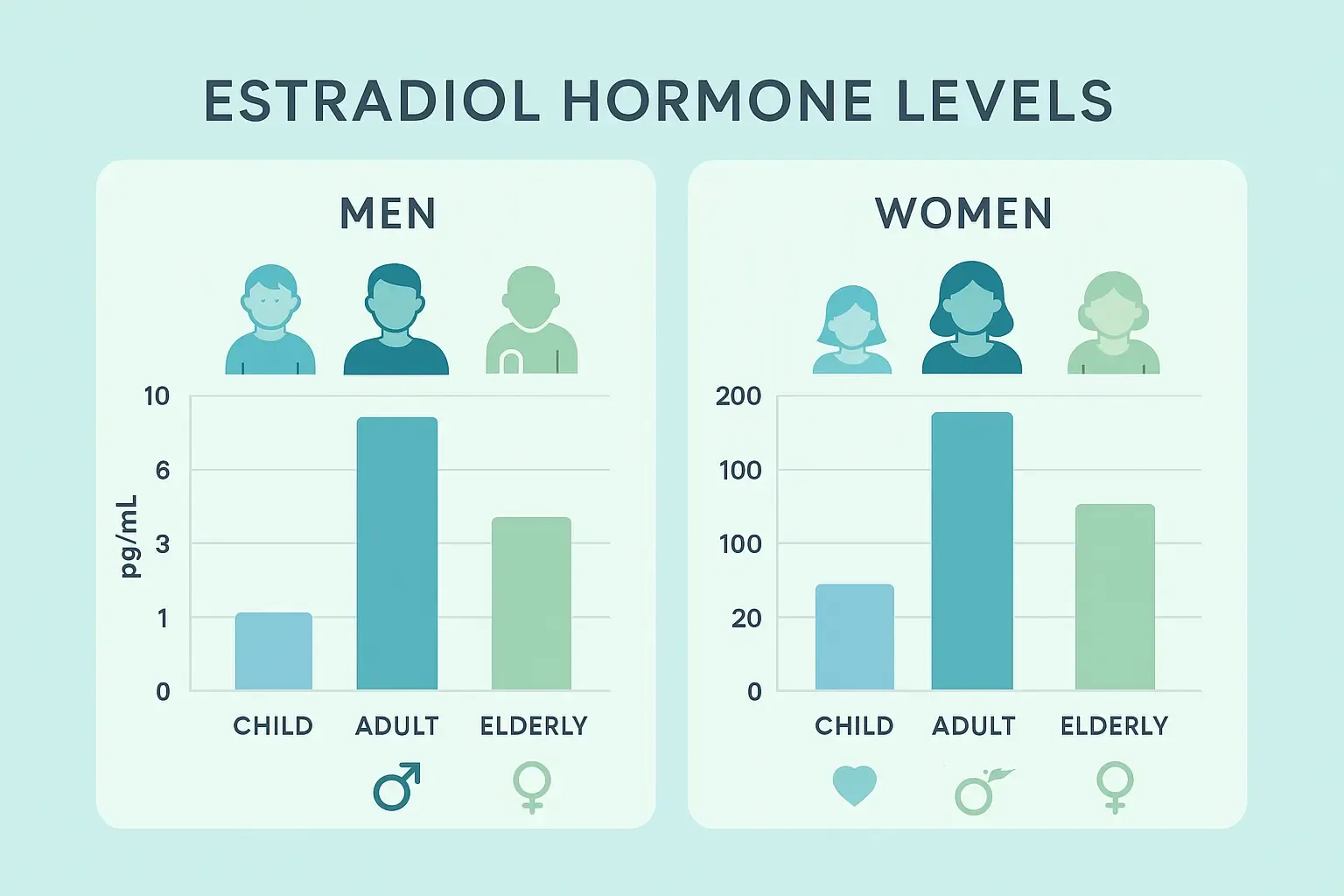
Normal estradiol levels vary by age and sex. In men, levels range from 10–40 pg/mL. In women, levels range from 15–350 pg/mL depending on menstrual phase, menopause, or age. Children have levels below 10 pg/mL. Postmenopausal women typically have levels under 30 pg/mL.
As we age, these levels naturally change, and knowing what’s normal for your age and gender can help you and your healthcare provider identify potential issues early. This comprehensive guide breaks down normal estradiol ranges across different life stages and explains what abnormal levels might mean for your health.
What Is Estradiol?
Estradiol is the most biologically active form of estrogen, often simply called “estrogen” in medical discussions. This powerful hormone is primarily produced in the ovaries in women, though smaller amounts are also made in fat tissue, the adrenal glands, and other tissues throughout the body. In men, estradiol is produced when testosterone is converted by an enzyme called aromatase, mainly in fat tissue and the testes.
Far from being just a “female hormone,” estradiol influences numerous body systems in both men and women. It plays crucial roles in maintaining bone density, supporting cardiovascular health, regulating mood and cognitive function, and maintaining healthy skin and hair. In women, estradiol is essential for menstrual cycle regulation, fertility, and pregnancy. In men, it contributes to bone health, brain function, and even plays a role in sperm production.
The hormone works by binding to estrogen receptors found throughout the body, triggering various biological processes that affect everything from gene expression to cellular metabolism. This wide-reaching influence explains why estradiol imbalances can cause such diverse symptoms and health issues.
Normal Estradiol Levels by Age
Estradiol levels change dramatically throughout life, following predictable patterns that correspond to major hormonal milestones. Understanding these age-related changes helps distinguish between normal hormonal fluctuations and potential health concerns.
Normal Estradiol Levels: Men vs Women
| Age/Life Stage | Women | Men |
|---|---|---|
| Childhood (0-8 years) | <15 pg/mL | <15 pg/mL |
| Puberty (8-14 years) | 15-100 pg/mL | 10-25 pg/mL |
| Adult (Reproductive Years) | 30-400 pg/mL* | 10-40 pg/mL |
| Middle Age (40-55 years) | Variable (Perimenopause) | 10-40 pg/mL |
| Older Adults (55+ years) | 5-25 pg/mL (Postmenopause) | 10-35 pg/mL |
Childhood (Birth to 8 years): Both boys and girls have very low estradiol levels, typically less than 15 pg/mL. These minimal levels reflect the dormant state of reproductive hormones before puberty begins.
Puberty (8-14 years): Estradiol levels begin rising as the reproductive system activates. Girls typically see levels climb from 15-40 pg/mL in early puberty to 30-100 pg/mL as they approach menarche (first menstruation). Boys experience more modest increases, reaching 10-25 pg/mL.
Reproductive years (15-45 years): This is when estradiol levels reach their peak and show the most variation, especially in women. Women’s levels fluctuate cyclically with their menstrual cycles, while men maintain more stable levels throughout this period.
Perimenopause (typically 45-55 years): Women experience increasingly irregular estradiol fluctuations as ovarian function begins to decline. Levels may swing from very high to very low, contributing to the unpredictable symptoms of perimenopause.
Menopause and beyond (55+ years): Women’s estradiol levels drop significantly to postmenopausal ranges (typically 5-25 pg/mL), while men experience a more gradual decline that continues throughout aging.
Estradiol Levels by Gender
Estradiol levels differ significantly between genders due to fundamental differences in hormonal systems and reproductive biology. These gender-based variations are essential to understand when interpreting test results and identifying potential hormone imbalances.
Estradiol Levels in Women
Women’s estradiol levels are inherently complex due to the cyclical nature of the menstrual cycle and major life transitions like pregnancy and menopause.
During reproductive years, estradiol levels fluctuate throughout the menstrual cycle:
- Follicular phase (days 1-14): 30-100 pg/mL, with levels gradually rising
- Ovulation (around day 14): Peak levels of 100-400 pg/mL
- Luteal phase (days 15-28): 80-300 pg/mL, then dropping before menstruation
Pregnancy brings dramatically elevated estradiol levels, climbing from around 200 pg/mL in the first trimester to over 20,000 pg/mL by the third trimester. These high levels support fetal development and prepare the body for breastfeeding.
Menopause marks a significant transition, with estradiol levels dropping to 5-25 pg/mL as ovarian hormone production ceases. This decline typically occurs gradually over several years during perimenopause, though the timeline varies significantly between individuals.
Hormone therapy can significantly impact these ranges. Women using estrogen replacement therapy may maintain estradiol levels of 50-200 pg/mL, depending on the type and dose of treatment. Birth control pills also affect levels, often suppressing natural estradiol production while providing synthetic estrogen.
Estradiol Levels in Men
Men maintain relatively stable estradiol levels compared to women, typically ranging from 10-40 pg/mL throughout adult life. These levels are crucial for several aspects of male health that extend far beyond reproduction.
Normal adult male levels generally fall between 10-40 pg/mL, with some laboratories using slightly different reference ranges (15-60 pg/mL). These levels remain fairly consistent from young adulthood through middle age, with a gradual decline beginning around age 40-50.
Age-related changes in men are more subtle than in women. Estradiol levels may decrease by about 1-2% per year after age 40, paralleling the decline in testosterone. However, because estradiol is produced from testosterone conversion, factors that affect testosterone also impact estradiol levels.
Importance in male health cannot be overstated. Estradiol contributes to bone density maintenance, cardiovascular health, cognitive function, and mood regulation in men. Too little estradiol can lead to bone loss and increased fracture risk, while excessive levels may contribute to gynecomastia (breast tissue development) and other feminizing effects.
Factors That Influence Estradiol Levels
Beyond natural age and gender differences, numerous factors can significantly impact estradiol levels, making interpretation of test results more complex.
Medications represent one of the most common influences on estradiol levels. Hormone replacement therapy, birth control pills, and fertility medications directly alter estradiol levels by design. However, other medications can have unintended effects – certain antidepressants, blood pressure medications, and even some antibiotics may influence hormone levels. Aromatase inhibitors, commonly used in breast cancer treatment, specifically block estradiol production.
Body weight and composition significantly affect estradiol levels because fat tissue produces estradiol through aromatase enzyme activity. Higher body fat percentages typically correlate with higher estradiol levels in both men and women. This relationship explains why significant weight loss or gain can impact hormone balance.
Medical conditions can dramatically alter normal estradiol patterns. Polycystic ovary syndrome (PCOS) often causes irregular estradiol fluctuations in women. Liver disease affects estradiol metabolism, potentially leading to elevated levels. Thyroid disorders, diabetes, and kidney disease can all influence hormone production and clearance. In men, conditions like hypogonadism or testicular disorders directly impact estradiol levels.
Lifestyle factors play important but often underestimated roles. Chronic stress elevates cortisol, which can suppress estradiol production. Some women use adaptogens such as ashwagandha, rhodiola, or maca to support stress resilience, and adaptogen drinks offer a lower-effort format than capsules. Evidence for a direct effect on estradiol specifically is limited, so treat these as stress support rather than hormone treatment. Excessive alcohol consumption affects liver function and hormone metabolism. Extreme exercise or very low body fat can suppress estradiol levels, particularly in women. Sleep quality and duration also influence hormonal balance.
Environmental exposures to endocrine-disrupting chemicals found in plastics, pesticides, and personal care products may interfere with normal hormone function, though the long-term impacts are still being studied.
When and Why to Test Estradiol Levels
Estradiol testing serves various diagnostic and monitoring purposes, helping healthcare providers assess reproductive health, investigate symptoms, and guide treatment decisions.
Common reasons for testing include investigating irregular menstrual periods, fertility issues, or symptoms of hormone imbalance. Women experiencing hot flashes, mood changes, or other menopausal symptoms may undergo testing to confirm their hormonal status. Men with symptoms of low testosterone, unexplained fatigue, or bone density issues might also benefit from estradiol testing.
Fertility evaluations often include estradiol testing to assess ovarian function and predict response to fertility treatments. The test helps determine optimal timing for procedures like in vitro fertilization and monitors hormone levels during treatment cycles.
Monitoring hormone therapy requires regular estradiol testing to ensure appropriate dosing and avoid complications. Women using hormone replacement therapy typically need periodic monitoring to maintain levels within therapeutic ranges while minimizing risks.
Pediatric applications include investigating delayed or precocious puberty, helping healthcare providers determine if hormonal development is progressing normally for a child’s age.
The testing process involves a simple blood draw, usually performed in the morning when hormone levels are most stable. For premenopausal women, timing within the menstrual cycle may be important depending on the clinical question. Some providers may recommend multiple tests over time to better understand individual hormone patterns.
Preparation typically requires minimal restrictions, though some providers may recommend avoiding certain medications or supplements that could interfere with results. Fasting is generally not required for estradiol testing.
What Do Abnormal Levels Mean?
Understanding what abnormal estradiol levels indicate requires considering the individual’s age, gender, and clinical context, as the same level might be normal for one person but concerning for another.
High estradiol levels can signal various conditions depending on the person’s circumstances. In women, elevated levels might indicate ovarian cysts, certain types of tumors, or liver disease that impairs hormone clearance. During fertility treatments, temporarily high levels may be expected and monitored carefully. In men, high estradiol often suggests increased aromatase activity, possibly due to excess body fat, certain medications, or underlying health conditions.
Symptoms of high estradiol may include weight gain, bloating, mood swings, decreased libido, and in men, breast tissue development (gynecomastia). Women might experience heavy menstrual periods, breast tenderness, and increased PMS symptoms.
Low estradiol levels present different concerns across genders and life stages. In premenopausal women, low levels might indicate ovarian dysfunction, eating disorders, excessive exercise, or approaching menopause. In men, low estradiol often accompanies low testosterone and may contribute to bone loss, mood changes, and cardiovascular risks.
Symptoms of low estradiol commonly include hot flashes, night sweats, mood changes, decreased bone density, and reduced libido. Women may experience irregular periods, vaginal dryness, and difficulty sleeping. Men might notice fatigue, joint pain, and increased fracture risk.
Health risks associated with imbalances extend beyond immediate symptoms. Chronically low estradiol increases osteoporosis risk in both men and women. Persistently high levels may elevate risks for certain cancers and blood clots, particularly in women. Cardiovascular health can be affected by both high and low estradiol levels, emphasizing the importance of maintaining balanced hormone levels.
When to seek medical attention includes experiencing persistent symptoms suggestive of hormone imbalance, irregular menstrual patterns in women of reproductive age, or signs of bone loss such as frequent fractures. Anyone considering hormone therapy should undergo proper testing and monitoring.
For women exploring specialist care beyond their local options, medical tourism platforms list accredited gynaecology and endocrinology clinics internationally, making it easier to compare credentials, treatment protocols, and costs before booking a consultation.
Conclusion
Understanding normal estradiol levels by age provides valuable insight into your hormonal health and helps you recognize when levels might be outside the normal range. These hormone levels naturally change throughout life, with women experiencing more dramatic fluctuations due to menstrual cycles, pregnancy, and menopause, while men see more gradual changes over time. Regular monitoring of estradiol levels can help detect hormonal imbalances early, potentially preventing more serious health complications down the road.
Whether you’re experiencing symptoms that might be hormone-related, considering hormone therapy, or simply want to better understand your health, discussing estradiol testing with your healthcare provider is a proactive step toward optimal wellness. Remember that hormone levels are just one piece of your overall health picture, and any concerns should always be evaluated in the context of your individual health history and symptoms.
Take action today by scheduling a conversation with your healthcare provider about whether estradiol testing might be beneficial for your specific situation – early detection and appropriate management of hormone imbalances can significantly improve your quality of life and long-term health outcomes.
Frequently Asked Questions
What is a bad estradiol level?
A “bad” estradiol level depends entirely on your age, gender, and individual circumstances. For premenopausal women, levels below 30 pg/mL or above 400 pg/mL (outside of ovulation) may indicate problems. In men, levels above 40-50 pg/mL or below 10 pg/mL could be concerning.
How can you read your estradiol results?
Reading estradiol results requires understanding the reference ranges used by your laboratory, as these can vary between facilities. Look for where your result falls within the “normal” range provided, but remember that normal ranges are broad averages. Consider your symptoms, age, gender, and menstrual cycle timing (for women) when interpreting results. Your healthcare provider is the best resource for explaining what your specific numbers mean for your health and whether any action is needed.
How do estradiol levels change during perimenopause?
During perimenopause, estradiol levels become increasingly unpredictable as ovarian function begins to decline. You might experience dramatic swings from very high levels (causing heavy periods and PMS-like symptoms) to very low levels (triggering hot flashes and mood changes).
Why are male estradiol levels important?
Male estradiol levels are crucial for several aspects of health that many people don’t realize. Estradiol helps maintain bone density in men – low levels increase osteoporosis risk just as in women. It also supports cardiovascular health, cognitive function, and mood regulation.
Medical Emergency Disclaimer: This information is intended for educational purposes only and should not be used as a substitute for professional medical advice, diagnosis, or treatment. If you experience severe symptoms such as sudden vision changes, chest pain, severe headaches, or signs of blood clots, seek immediate emergency medical attention. Never delay seeking professional medical care or disregard medical advice because of information in this article.
Article Last Reviewed: November 13, 2025
This article is regularly reviewed and updated to reflect current medical guidelines, laboratory standards, and research.