From Posture to Platelets: What Every Woman Should Know About Neck Pain Recovery
<p>If you’ve ever ended the day rubbing your neck and blaming your office chair (again), you’re far from alone. For many women, neck pain isn’t just an occasional discomfort; it’s a recurring issue…
- Published
- Written by
- Women In Balance Team
- Reading time
- 6 minutes
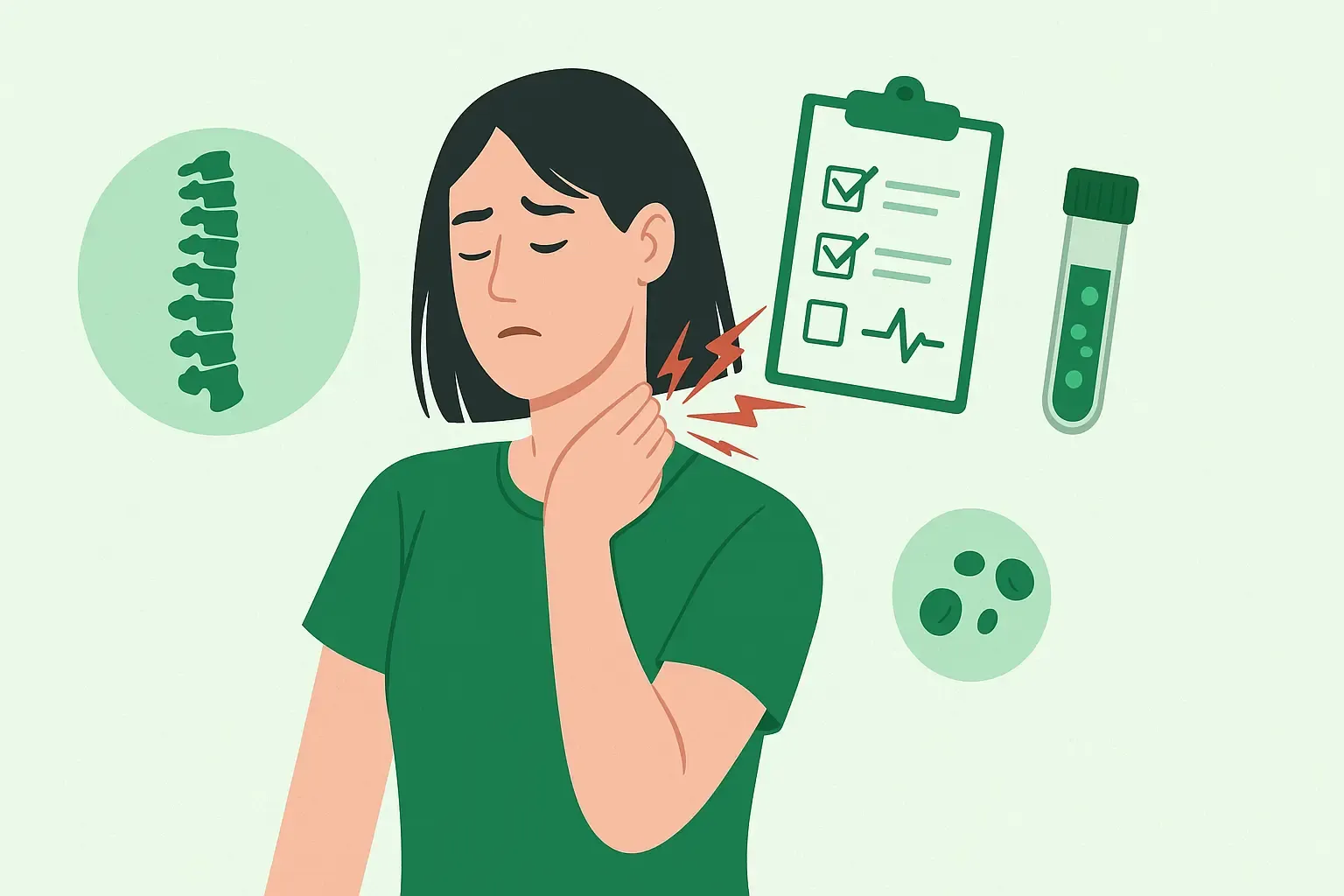
If you’ve ever ended the day rubbing your neck and blaming your office chair (again), you’re far from alone. For many women, neck pain isn’t just an occasional discomfort; it’s a recurring issue tied to posture, hormones, stress, and aging. While ice packs and massages can provide relief in the moment, they rarely address the underlying cause. That’s where regenerative medicine, like platelet-rich plasma (PRP) therapy, enters the chat.
Before diving into what PRP can do, let’s rewind a bit. Understanding how our daily habits and biology contribute to neck pain is the first step toward a lasting recovery. If you’ve been Googling chronic neck pain relief options without much success, it might be time to take a more integrated look at what’s going on.
The Hidden Culprits Behind Women’s Neck Pain
Most of us assume neck pain is just a side effect of slouching at our desks. That’s part of it, but the whole story is a little more layered, especially for women. There are physical, hormonal, and even emotional contributors that deserve attention.
1. Desk Jobs & Digital Strain
Let’s talk tech neck. Between work emails, Zoom calls, and the endless scroll of social media, our heads are tilted forward for hours at a time. That extra strain on the cervical spine can trigger tension, stiffness, and eventual wear and tear.
2. Hormonal Influence
Estrogen helps regulate muscle elasticity and joint lubrication. So, when levels drop, such as during perimenopause or menopause, ligaments can become more lax, and muscles can become more prone to inflammation. The neck, being a mobile and vulnerable region, often feels it first.
3. Stress & Tension Holding
Have you ever noticed how your shoulders tend to creep toward your ears on a tough day? That constant state of tension translates directly into muscle fatigue. It’s not “just in your head.” Chronic stress creates real physical tension patterns, especially in the neck and upper back.
When Rest Isn’t Enough: Why Some Pain Persists
The usual advice is to stretch more, improve your posture, and consider booking a massage. These can help, sure, but for many women, they’re Band-Aids on a deeper issue. If the pain persists or lingers for weeks, it may be a sign that your soft tissue is injured, not just irritated.
Ligaments, tendons, and discs in the neck don’t get much blood flow. That means they heal slowly, if at all, especially after repetitive stress or microtears. Rest won’t fix them. And while medications might dull the pain, they won’t repair what’s broken.
This is where regenerative medicine comes in. It’s not about covering up pain. It’s about helping your body rebuild what’s been damaged. and pain management software plays a key role in optimizing this process.
What Is Regenerative Medicine, Exactly?
At its core, regenerative medicine is about harnessing the body’s natural healing capabilities. Instead of relying on drugs or surgery, it aims to repair tissue from within. PRP (platelet-rich plasma) therapy is one of the most popular and well-researched options.
How PRP Therapy Works:
- A small amount of your blood is drawn and spun in a centrifuge.
- This process separates the plasma rich in growth factors.
- The PRP is then injected into the painful area, such as a strained neck ligament or an inflamed facet joint.
- The growth factors signal your body to begin tissue repair and reduce inflammation at the site.
It’s like flipping the switch on your body’s natural healing process just a little faster, a little more focused.
Why Women Are Turning to PRP for Neck Pain
There’s a reason more women are exploring regenerative medicine, especially when traditional approaches fall short. PRP offers some unique advantages:
1. Non-surgical
PRP is done in the office, with minimal downtime. You won’t need to take a week off or deal with a lengthy recovery.
2. Drug-free
For women who want to avoid long-term use of anti-inflammatories or muscle relaxants, PRP offers a more natural option.
3. Root-cause repair
Instead of simply reducing pain, PRP helps regenerate the actual tissue involved, whether that’s a strained ligament or a degenerated disc.
4. Hormone-friendly
Because hormonal changes can slow healing, PRP can be beneficial in perimenopausal or postmenopausal women. It essentially gives your body a nudge when it’s healing at half-speed.
Combining Science with Self-Care: A Holistic Recovery Approach
PRP isn’t a magic fix, but it’s a powerful tool when paired with the proper support. Here’s what a more complete recovery plan might look like for women dealing with chronic neck pain:
Postural Coaching
Even after PRP, your daily habits matter. Work with a physical therapist or ergonomics coach to adjust your workstation, sleep position, and posture during workouts.
Strengthening & Mobility
Targeted exercises, especially those that focus on building scapular and cervical stability, help maintain the results from PRP and prevent future issues.
Hormonal Support
If your pain worsens around menopause or after pregnancy, talk to your provider about hormonal changes. Supporting estrogen balance (safely and under medical supervision may improve recovery and reduce the risk of recurrence.
Stress Reduction
Body-based stress relief practices, such as yoga, breathwork, or gentle tai chi, can help unwind the tension that contributes to neck issues. It’s not just about flexibility, it’s about nervous system regulation.
What to Expect During and After PRP Therapy
Many women hesitate at the idea of injections, but PRP is relatively straightforward. Here’s what the process typically involves:
- Consultation
Your doctor will assess your symptoms, review imaging (if needed), and determine whether PRP is appropriate. - Blood Draw and Prep
A quick draw of your blood, usually about a vial’s worth, is all it takes to prepare the PRP concentrate. - Injection
Using ultrasound guidance, the doctor will inject the PRP into the target area. Most people report mild discomfort, similar to that experienced after a flu shot. - Recovery
You might feel soreness for a day or two. Over the next few weeks, your body will begin healing the targeted tissue. Many people see full results after 2–3 treatments, spaced weeks apart.
It’s not instant, but it’s long-lasting and for many women, it’s the difference between managing pain and finally moving past it.
Real Talk: Who Should Consider PRP?
PRP may be a strong option for women who:
- Have persistent neck pain that hasn’t responded to physical therapy or chiropractic care
- Want to avoid surgery.
- Prefer natural, drug-free treatments.
- Are you dealing with ligament strain, joint inflammation, or early disc degeneration
It’s not for everyone. Severe structural issues or nerve compression may still require surgical evaluation. But for a large percentage of women with chronic, frustrating neck pain, PRP offers a way forward.
A Final Word: You’re Not Overreacting
If you’ve ever been told your neck pain is “probably just stress,” you’re not imagining things. Women’s pain has often been dismissed or minimized, especially when it doesn’t show up clearly on an X-ray or MRI.
But tissue-level issues like microtears, joint instability, or inflammation don’t always show up on scans. That doesn’t mean they’re not real. And it doesn’t mean you have to live with them forever.
Regenerative medicine isn’t just about science; it’s about finally being heard, understood, and treated with care
Listen to Your Body, Then Help It Heal
So, if you’ve been powering through neck pain, blaming your posture, or quietly resigning yourself to stiffness and discomfort, pause. There’s more going on, and there are better options.
PRP and other regenerative treatments are changing the game for women who want real recovery without the side effects or downtime of traditional medicine. You don’t have to choose between endless rest or invasive surgery. You just need the proper support and maybe a few platelets.