The Power of Tracking: What Your Calendar Can Tell You About Your Fertility
<p>Fertility monitoring is not just a tool of reproductive health but also a self-protective method that can be used by anyone regardless of their ages. Learning about your menstrual cycle will…
- Published
- Written by
- Women In Balance Team
- Reading time
- 3 minutes
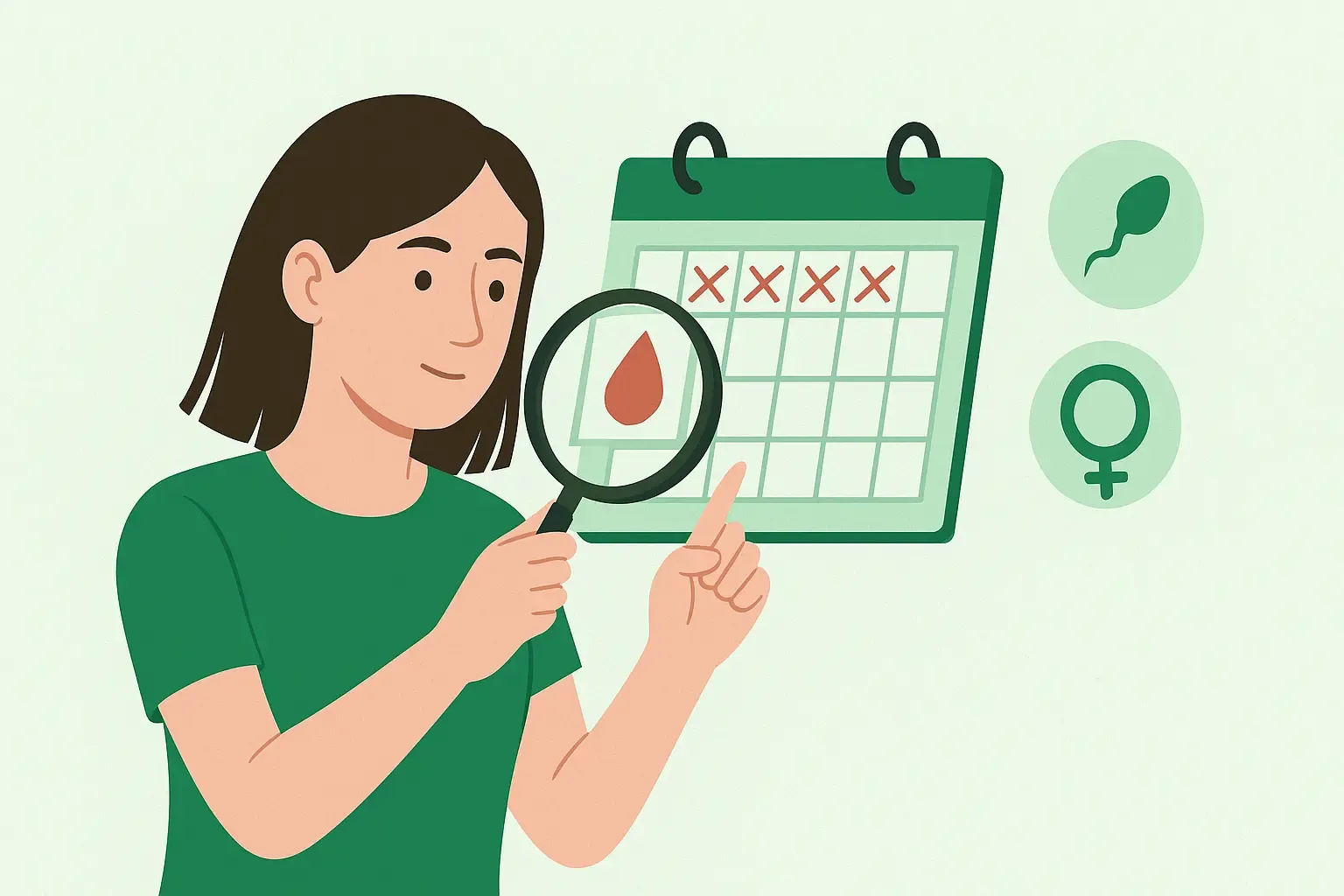
Fertility monitoring is not just a tool of reproductive health but also a self-protective method that can be used by anyone regardless of their ages. Learning about your menstrual cycle will enable you to get pregnant, prevent pregnancy naturally, and gain insights into your overall health. As people have increasingly become interested in the concept of hormone balance and cycle syncing, tracking has become a crucial aspect of current wellness. Your calendar is one of the simplest, but yet one of the most powerful tools on this journey. Keeping a pictorial, organized record of your cycle can introduce a sense of clarity, deep understanding and increase in control. And thanks to customizable platforms like Canva, you can now use calendars that are both functional and personal.
Understanding Your Menstrual Cycle
Your menstrual cycle consists of four key phases: menstrual, follicular, ovulation, and luteal. Each phase reflects a unique hormonal shift and plays a vital role in fertility and overall health. While a typical cycle lasts around 28 days, many people have cycles ranging from 21 to 35 days—and some even longer. Understanding what happens in each phase helps you know when you’re most fertile, when energy levels might dip, and why certain symptoms appear. This foundation is critical when you begin logging and analyzing patterns in your calendar.
Why Use a Calendar for Fertility Tracking
With the help of a calendar, you will have a physical representation of your body cycle. With time you will begin to notice the appearance of the same pattern in your cycle, beginning with the time of the onset of your period up to the ovulation indications. Calendars also enable you to know when you are approaching your potential to conceive, which comes in handy in case you are trying to get a child. You can identify irregularities and subtle changes that you would have otherwise not identified by monitoring something over several months. This method of staying in charge of your fertility also deepens your understanding of how your cycle affects your daily life.
What to Track on Your Calendar
Your calendar should include more than just period dates. Log the start and end of your period, and note any signs of ovulation such as changes in cervical mucus, basal body temperature (BBT) shifts, or results from ovulation test kits. Add information about physical symptoms like cramps, bloating, fatigue, or mood swings. If you’re trying to conceive, record days of intercourse or insemination to help identify timing patterns. You can also include emotional check-ins to monitor mental well-being throughout your cycle. The more detailed your entries, the more valuable your calendar becomes as a personalized health record.
The Benefits of Consistent Tracking
Always making note of your cycle establishes a special relationship with your body. It increases body literacy and simplifies the process of detecting signs of unbalance or possible problems in their early stages. In case you are attempting to get pregnant, calendar tracking will make it easy to identify optimum days to get pregnant as well as interesting information you can share with your healthcare provider. When fertility awareness is analyzed as a method of natural birth control, a calendar will provide a format and understanding. Regardless of whether you are dealing with PMS, PCOS, or perimenopause, regular monitoring can be a good source of guidance as you learn about your reproductive health.
When to Seek Medical Advice
Monitoring also would help you notice any important signs that might require professional assessment. Any irregular cycles or very long cycles, periods that are missed out without any reason, unusual bleeding or symptoms that interfere with the quality of life, should be consulted with a health professional. For expectant women, the advice is to approach a physician after one year of facing failure to conceive, or within the time frame of six months past the age of 35.
Fertility tracking doesn’t have to be complicated. Starting with a simple calendar and staying consistent can give you a clearer picture of your health. It’s a form of self-care that fosters empowerment, insight, and connection to your body. With digital tools like Canva, it’s easy to use calendars that are beautifully designed and fully tailored to your life. Remember, your calendar is more than just a planner—it’s a powerful window into your well-being.