From Acne to Hair Growth: How Hormonal Imbalance Affects Your Skin and Body
<p>Hormones are the silent regulators behind much of how our bodies function, and when they shift out of balance, the signs often show up first in our skin and hair. While occasional breakouts or a…
- Published
- Written by
- Women In Balance Team
- Reading time
- 4 minutes
Hormones are the silent regulators behind much of how our bodies function, and when they shift out of balance, the signs often show up first in our skin and hair. While occasional breakouts or a bit of shedding may seem normal, persistent symptoms could indicate deeper hormonal disruptions. Understanding the relationship between your hormones and physical changes is the first step toward restoring both your health and self-confidence.
The Role of Hormones in Skin Health
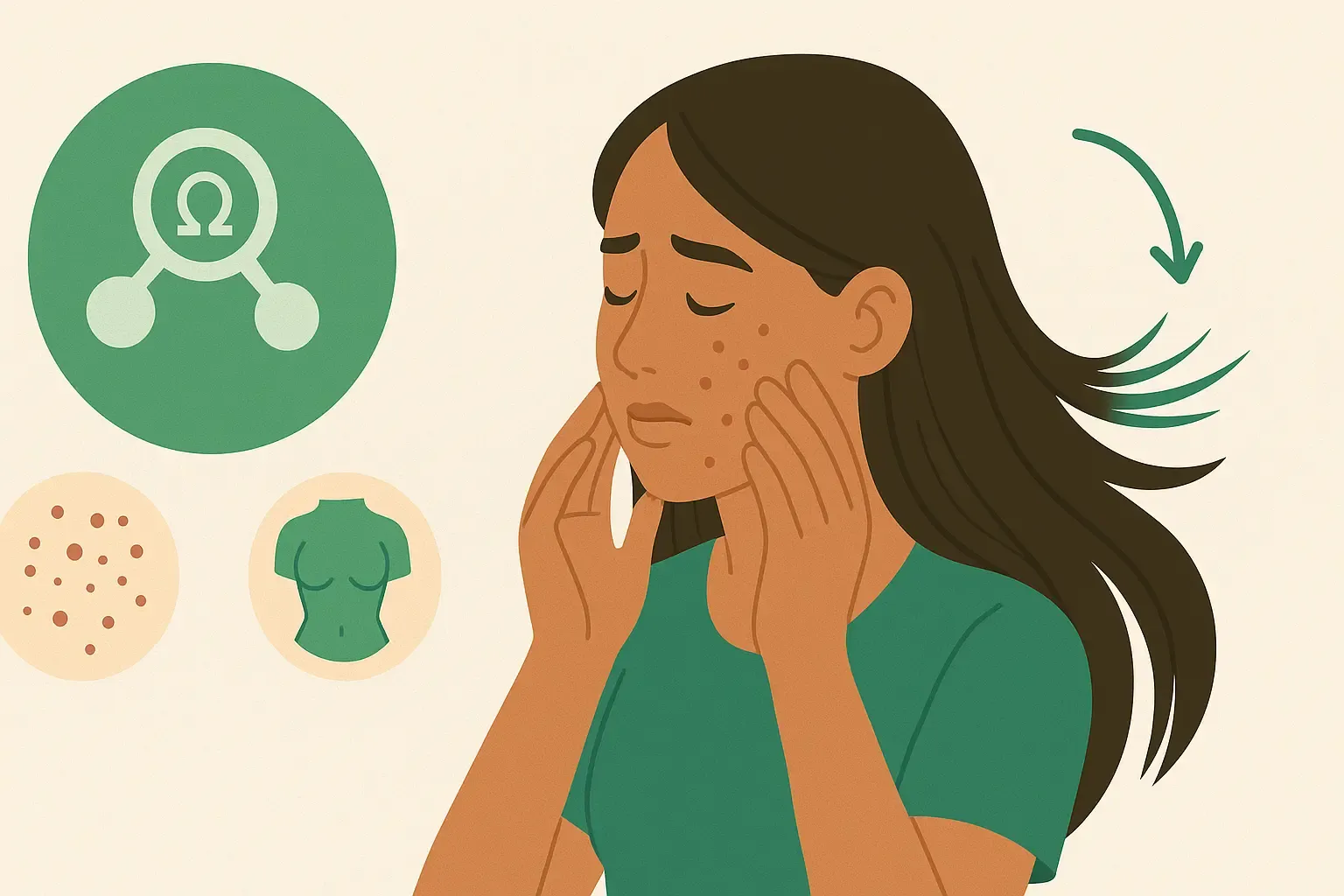
Your skin reacts swiftly to changes in hormone levels, particularly androgens like testosterone and dihydrotestosterone (DHT). These hormones influence how much oil your sebaceous glands produce. An uptick in androgens typically leads to excess sebum, which mixes with dead skin cells to block pores and create acne.
This is especially common during adolescence, but also occurs during hormonal shifts later in life. Women may notice premenstrual flare-ups or acne triggered by pregnancy, postpartum changes, or discontinuing birth control. The acne tends to be cystic, painful, and located around the jawline or chin.
Estrogen and progesterone counterbalance androgens by promoting moisture retention, collagen production, and even skin tone. A drop in these hormones—often during menopause—can lead to dry, thin, or crepey skin. These hormonal shifts can also make skin more sensitive to irritants, allergens, or UV exposure.
Unwanted Hair Growth: A Common Hormonal Red Flag
Excessive or male-pattern hair growth on areas like the face, chest, stomach, or thighs is called hirsutism. This symptom is often driven by an increase in androgens, which overstimulate hair follicles in areas that are typically less hairy in women. Polycystic ovary syndrome (PCOS) is a leading cause, affecting up to 10% of women of reproductive age.
The psychological burden of unwanted facial hair can be significant, impacting daily routines and self-esteem. While shaving, waxing, and depilatory creams provide temporary solutions, advanced medspa hair removal options offer a more permanent reduction in hair growth by targeting the follicle at its root using laser or light-based technology. Unusual hair patterns should prompt a medical evaluation. Left unchecked, hirsutism can worsen over time and signal more serious conditions such as adrenal gland disorders or insulin resistance.
Thinning Hair and Hair Loss
Hormonal imbalances can lead to another frustrating issue: thinning hair or female-pattern baldness. This often presents as a widening part, receding hairline, or patchy hair loss, and it’s especially common during perimenopause and menopause.
Excess androgens can shrink hair follicles over time, reducing their ability to grow thick, healthy strands. Conversely, low thyroid hormone levels or high cortisol levels can disrupt the hair growth cycle, pushing follicles into a dormant phase and triggering diffuse shedding.
Common triggers include PCOS, postpartum hormonal shifts, menopause, or chronic stress. Blood tests measuring levels of estrogen, testosterone, DHEA, and thyroid hormones can help identify imbalances. Restoring nutrient levels—especially iron, vitamin D, and biotin—can also improve regrowth.
Hyperpigmentation and Skin Discoloration
Not all hormonal effects are related to acne or hair. Hormones also influence pigment production. One of the most notable examples is melasma, characterized by symmetrical, blotchy patches of darker skin on the forehead, cheeks, or upper lip.
Melasma is often triggered by hormonal surges during pregnancy or from using hormonal contraceptives. It is exacerbated by sun exposure, which stimulates melanocytes—the skin’s pigment-producing cells—to go into overdrive.
Treatment usually requires a multi-faceted approach: strict sun protection, brightening agents like vitamin C or hydroquinone, and sometimes procedures like laser therapy or chemical peels. Because melasma tends to be chronic and relapsing, managing the underlying hormonal trigger is essential for long-term improvement.
Persistent Acne Beyond Adolescence
Acne that continues into adulthood—or develops for the first time in your twenties or later—can be particularly stubborn. It’s often linked to imbalances in insulin, cortisol, and sex hormones, which can disrupt normal skin turnover and increase oil production.
Women with PCOS or insulin resistance often experience persistent, painful acne that resists standard treatments. Spikes in insulin levels increase androgen production, which in turn ramps up oil output and blocks pores. Chronic stress also contributes by elevating cortisol, which triggers inflammation.
While topical treatments like retinoids and salicylic acid can help manage symptoms, more targeted therapies such as anti-androgens (e.g., spironolactone) or dietary changes to stabilize blood sugar often yield better results. A dermatologist or endocrinologist can tailor a plan based on your hormone profile and lifestyle factors.
Bloating, Fatigue, and Other Systemic Symptoms
While changes in skin and hair may be the most noticeable signs of hormonal imbalance, internal symptoms often accompany them and should not be overlooked. Fatigue, brain fog, weight gain, anxiety, irregular menstrual cycles, and digestive issues are all signs that your endocrine system may be out of sync.
One of the key players is cortisol, your body’s stress hormone. When chronically elevated due to lifestyle or underlying illness, cortisol disrupts sleep, metabolism, immunity, and inflammation, often worsening acne or skin sensitivity in the process.
Low thyroid hormone levels (hypothyroidism) can slow down every system in your body, leading to dry skin, brittle nails, hair loss, and unexplained fatigue. If these symptoms persist, testing for hormone imbalances can provide insight and lead to more effective treatment than surface-level skincare alone.
Skin and hair symptoms are often your body’s way of alerting you to deeper hormonal imbalances. Whether you’re battling stubborn breakouts, unusual hair growth, or lingering fatigue, it’s important to look beyond the surface. Comprehensive hormone testing, lifestyle adjustments, and effective solutions like medspa therapies can make a profound difference, not just in how you look, but how you feel every day.