Understanding Psychosis Symptoms in Women Across Different Ages
<p>Psychosis is a serious mental health condition that disrupts a person’s thoughts, perceptions, and emotions. While it can affect anyone, the way symptoms present and progress in women often varies…
- Published
- Written by
- Women In Balance Team
- Reading time
- 4 minutes
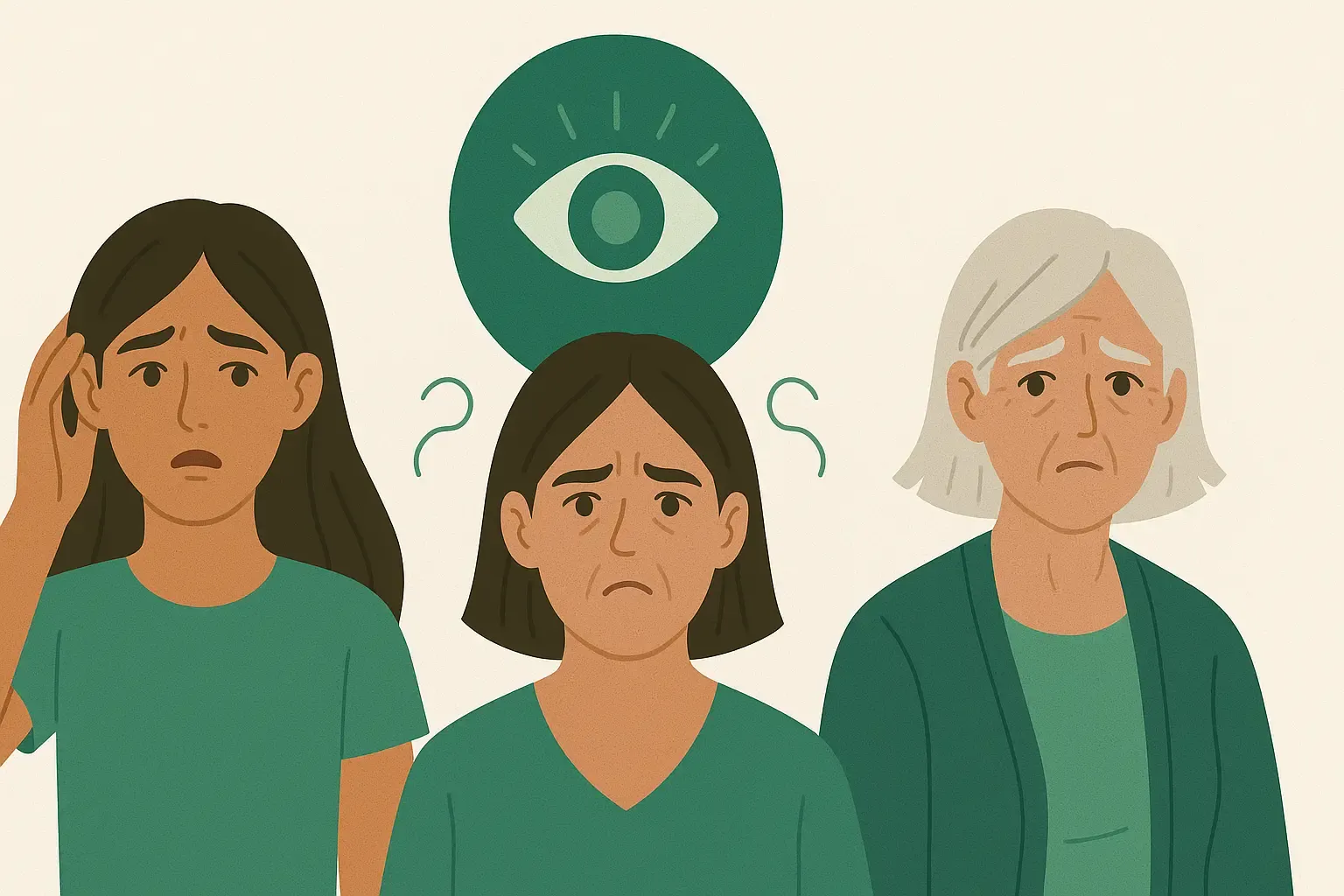
Psychosis is a serious mental health condition that disrupts a person’s thoughts, perceptions, and emotions. While it can affect anyone, the way symptoms present and progress in women often varies depending on age and hormonal influences. Understanding these age-specific differences is vital for early recognition, accurate diagnosis, and effective support.
Early Adolescence: The Onset of Change
For girls entering adolescence, the early signs of psychosis can be difficult to separate from the emotional turbulence of puberty. During this period, symptoms may appear as social withdrawal, declining academic performance, or uncharacteristic irritability. In some cases, early hallucinations or delusions are mistaken for vivid imagination or typical teenage angst.
Hormonal changes related to menarche may interact with underlying genetic or environmental vulnerabilities. Estrogen fluctuations are believed to influence dopamine pathways, a neurotransmitter system closely linked with psychotic disorders. According to the National Institute of Mental Health, early-onset psychosis (before age 18) is rare but more severe in its presentation. Early signs are often behavioral rather than verbal, making them easy to overlook.
Intervention at this stage often includes therapy, psychoeducation for families, and careful monitoring. If addressed early, it’s possible to slow the progression and equip both the child and their caregivers with the tools they need to navigate ongoing care.
Late Teens to Early Twenties: Critical Risk Window
The late teenage years into early adulthood represent the most common period for the first full-blown psychotic episode in women. This stage is particularly challenging because young adults are expected to take on greater independence, yet psychosis undermines their ability to function socially and academically.
During this phase, hallucinations, disorganized speech, and paranoid thoughts may begin to emerge. These symptoms can develop gradually, making them harder to detect. Disrupted sleep patterns, neglect of personal hygiene, and odd or withdrawn behavior often precede overt psychosis.Family members or close friends are often the first to notice something is wrong. Early treatment—especially within the first six months of symptom onset—significantly improves long-term outcomes.
One of the biggest hurdles young women face during this time is figuring out how to connect with the right mental health professional without dealing with confusing costs. Being able to find a psychiatrist by insurance makes it easier to get matched with someone who can help right away, without the added stress of surprise bills or out-of-network fees. This kind of access matters a lot when time is critical, and symptoms are getting worse.
Pregnancy and Postpartum Period: A Time of Heightened Vulnerability
Hormonal shifts during pregnancy and postpartum can trigger or exacerbate psychotic symptoms in susceptible women. Postpartum psychosis, although rare (affecting about 1 to 2 out of every 1,000 births), is a psychiatric emergency that requires immediate intervention. Symptoms include delusions, confusion, rapid mood swings, and hallucinations, often appearing within days of delivery.
Unlike postpartum depression, which tends to develop gradually, postpartum psychosis has a sudden and severe onset. Mothers may become convinced of irrational beliefs, sometimes involving the baby, which can lead to dangerous behavior if not treated urgently. Most women recover fully with proper treatment, but early hospitalization is often necessary for stabilization.
Risk factors include a personal or family history of bipolar disorder or previous episodes of psychosis. Interdisciplinary care that includes psychiatrists, obstetricians, and family support improves outcomes and reduces recurrence in future pregnancies.
Perimenopause and Menopause: Subtle but Significant Shifts
As women enter their 40s and 50s, the decline in estrogen can influence brain chemistry, potentially impacting mental health. While not a direct cause of psychosis, hormonal changes during perimenopause may worsen pre-existing psychiatric conditions or trigger new episodes in women with latent vulnerabilities.
Common symptoms in this age group include auditory hallucinations, delusional thoughts, and cognitive confusion. These often coexist with hot flashes, fatigue, and emotional instability, making diagnosis more complex. As a result, psychotic episodes may be misattributed to hormonal imbalance alone.
Clinicians should consider a detailed psychiatric evaluation if symptoms persist or disrupt functioning. Hormone replacement therapy (HRT) may provide indirect mental health benefits, though it’s not a standalone treatment for psychosis. A comprehensive approach combining pharmacological and therapeutic interventions often yields the best outcomes.
Late Adulthood: The Overlap with Cognitive Disorders
In women over 65, psychosis often co-occurs with neurocognitive disorders such as Alzheimer’s or Parkinson’s disease. Late-onset psychosis is typically marked by delusions, visual hallucinations, or paranoia. These symptoms can lead to distress and functional decline if left untreated.
Medical conditions such as stroke, infections, or medication interactions may also contribute to psychosis in this age group. Sensory deprivation (such as vision or hearing loss) can worsen the symptoms. For some women, isolated psychosis may even be the first sign of dementia, especially when accompanied by memory loss and personality changes.
A comprehensive evaluation by a psychiatrist or geriatric specialist is essential to rule out physical causes and tailor treatment plans. Medication regimens must be carefully selected to avoid exacerbating cognitive impairment or causing dangerous side effects.
Stigma and Access to Care: Barriers Women Face
Regardless of age, many women face stigma when seeking help for psychotic symptoms. Cultural expectations, fear of judgment, and misdiagnosis are common barriers. In some communities, psychosis is wrongly associated with moral failing or personal weakness, delaying the path to recovery.
Women may also experience gendered bias in clinical settings, with symptoms being attributed to stress, hormones, or personality disorders rather than recognized as legitimate psychiatric concerns. These oversights contribute to underdiagnosis and undertreatment.
Education and advocacy play a critical role in dismantling these misconceptions. Support groups, telehealth resources, and crisis services can reduce isolation and empower women to seek the help they need.
Early recognition and appropriate treatment tailored to each life stage can dramatically improve the quality of life. Understanding how psychosis symptoms evolve across the female lifespan not only informs care—it fosters compassion, reduces stigma, and supports healing.