Essential Safety Tips for Young Women in Medical Settings
<p>Young women in medical settings face many challenges that require a keen awareness of safety protocols and self-protection strategies. The medical field is vast, encompassing a wide range of…
- Published
- Written by
- Women In Balance Team
- Reading time
- 5 minutes
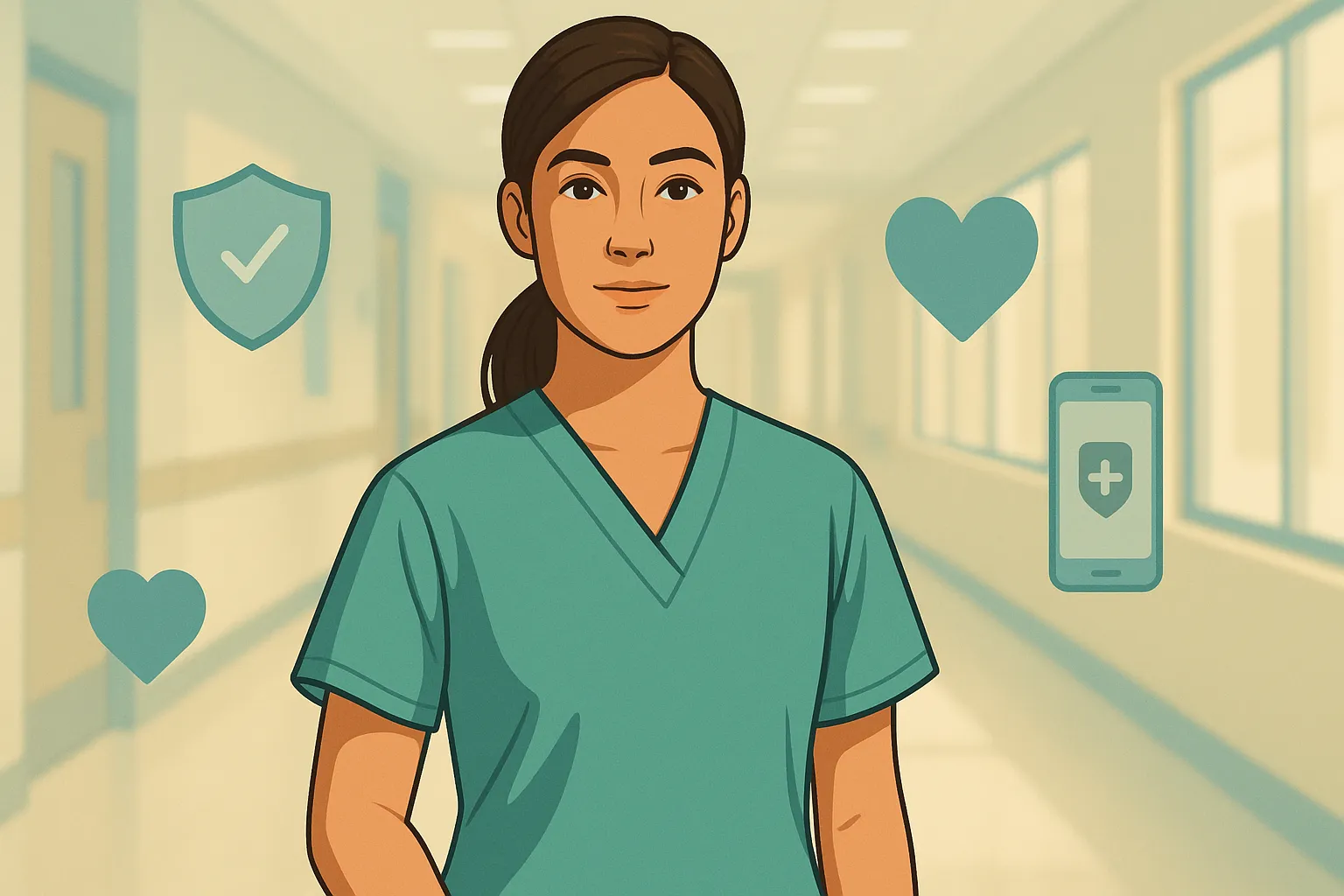
Young women in medical settings face many challenges that require a keen awareness of safety protocols and self-protection strategies. The medical field is vast, encompassing a wide range of environments from hospitals to outpatient clinics. Unfortunately, these settings can harbor risks ranging from mishandling of medical information to encounters with individuals exhibiting predatory behavior.
By adopting specific safety measures, young women can secure their well-being and feel safe in these professional environments. Awareness and proactive conduct can make a difference in improving personal security.
Knowing the Risks
Every professional environment comes with inherent risks, and medical settings are no exception. Young women must be conscious of potential dangers, including inappropriate interactions and unwanted advances from patients or colleagues. Familiarity with these situations is the first step towards protection.
Many female healthcare workers reported experiencing sexual harassment during their careers. Recognize these red flags early: overly familiar behavior or frequent inappropriate comments can raise some questions. Acknowledge that understanding these risks empowers women to make informed decisions regarding their personal safety and to advocate for policies that protect them in their workplaces.
What to Do If You Feel Unsafe
Feeling unsafe at work is a serious concern that must be addressed immediately. Young women should have a clear plan in place for such circumstances. Report any harassment or inappropriate behavior to a supervisor or human resources; institutions have protocols designed to handle such cases. Assertively speaking up about experiences can prevent future incidents.
Supporting one another by speaking up collectively can amplify their voices and lead to organizational change. Remember that seeking comfort from colleagues and discussing feelings of discomfort can relieve stress and anxiety. Recognizing and addressing predatory behavior in medical settings makes it easier to guarantee that young women feel supported and protected in their workplace. Encouraging open dialogue about feelings of danger can create a healthier environment.
Establishing a Safe Working Environment
Healthcare institutions must create a supportive and secure workplace culture for young women. Strong communication and training should be prioritized in medical settings, encouraging all staff members to speak up about uncomfortable situations. Regular training sessions on maintaining professional boundaries and recognizing inappropriate behavior can boost awareness.
Implementing strict policies regarding harassment and addressing any incidents immediately can promote a culture of accountability. Creating a well-lit, monitored environment so that all spaces are designed to support women’s safety can result in a proactive approach to security in the workplace.
Recognizing Warning Signs
Young women should pay attention to behaviors that raise suspicions in patient interactions or when dealing with colleagues. Subtle hints might present themselves in the form of overly personal questions or unwelcome touches. If a situation feels off, trusting one’s instincts can be a protective measure.
Behavioral changes in individuals, such as agitation or possessiveness toward a young woman, can signify potential threats. Understanding workplace dynamics and observing how colleagues interact can provide insight into potentially problematic situations. Awareness of someone’s surroundings can have far-reaching effects, as it allows for quick reactions to prevent unpleasant encounters. Everyone should take the responsibility to recognize these signs and act appropriately when they arise.
Utilizing Technology for Safety
In the modern age, technology can save many young women in medical environments. Emergency alert systems that notify trusted contacts in case of danger can be implemented easily with smartphone apps. Many apps offer a location-sharing feature, allowing friends or family to monitor movements discreetly and provide quick assistance in emergencies.
Employers can employ technology to secure their facilities with surveillance cameras in critical areas and secure access to restricted zones. These tools can guarantee a safer environment and deter potential predators. Leveraging technological advancements can bolster existing safety protocols and create a tangible sense of security for young women in medical settings. Being equipped with the right tools empowers women to feel secure in their workspaces.
Practicing Self-Care and Mental Wellbeing
Self-care remains a component of safety in demanding environments like healthcare. The stress associated with medical work can take a toll on mental and emotional health for young women. Engaging in yoga, meditation, or simply taking time for themselves can alleviate stress and build resilience. Prioritizing mental health can create a clearer mindset for recognizing and responding to uncomfortable situations.
Building a support network among colleagues can promote mental well-being and create a community in otherwise challenging environments. Occupational burnout can lead to lapses in judgment; practicing self-care will keep people alert and prepared to handle incidents. Women need to invest in their mental health as part of their safety strategy.
Engaging in Community Building
Building community within the medical setting can add to safety in various ways. Strong networks of support allow young women to share experiences, exchange advice, and provide emotional backing. Establishing mentorship programs can greatly empower young women, equipping them with the knowledge needed to navigate their environments confidently. Access to trusted medical health services further strengthens these efforts, ensuring that women have professional support alongside peer and mentor guidance.
Participating in women’s groups or organizations that focus on healthcare can improve collective strength so that women’s voices are heard during discussions about staff policies and procedures. Strength in numbers results in more robust safety protocols and increased awareness of the challenges women face in these settings. Collaboration and support go a long way in creating safer work environments.
Empowering Yourself with Knowledge
Knowledge is the most potent tool for safety in medical environments. Young women should familiarize themselves with their rights and the institutional policies regarding harassment and safety. Understanding the right procedures can empower these individuals to seek out help effectively and hold others accountable. Obtaining information on legal aid, mental health services, or women’s support groups can add layers of support.
Continuous education about workplace safety helps employees stay informed about changes in policies and resources available to them. Empowerment through knowledge promotes advocacy and leads to safer work environments for themselves and their colleagues.
Being proactive and aware can improve safety for young women in medical settings. Through understanding risks, building supportive environments, recognizing warning signs, and effectively utilizing technology, women can navigate their careers with confidence. By taking these steps, young women can contribute to a culture of safety and accountability in the medical field.