How to Overcome Common Weight Loss Plateaus
<p>Plateaus are frustrating roadblocks that many people face when trying to shed pounds. These moments often leave individuals feeling discouraged and questioning their efforts. Understanding the…
- Published
- Written by
- Women In Balance Team
- Reading time
- 4 minutes
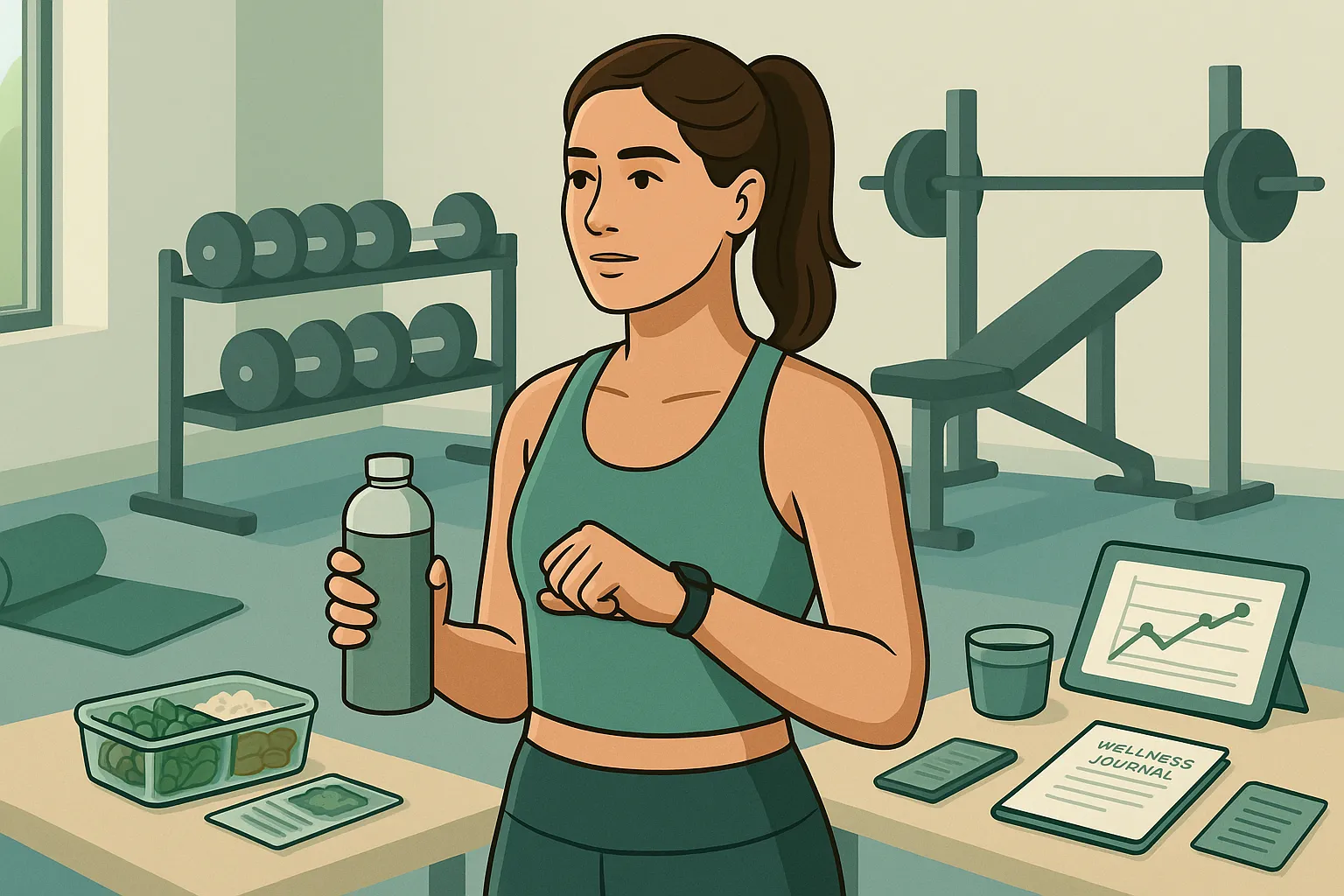
Plateaus are frustrating roadblocks that many people face when trying to shed pounds. These moments often leave individuals feeling discouraged and questioning their efforts. Understanding the common causes of weight loss plateaus and adopting effective strategies can help overcome these hurdles and keep the journey toward a healthier lifestyle on track.
Understanding Weight Loss Plateaus
Weight loss plateaus occur when the body stops responding to a reduced calorie intake or exercise regimen. As you lose weight, your body’s metabolism adapts to the decreased energy levels, causing it to burn fewer calories than before. This adaptation can occur even after significant weight loss. Research indicates that metabolic changes can lead to a stall in weight loss as the body reaches a new set point.
Recognizing this plateau as a natural part of the weight loss process can help reduce frustration and maintain focus. It’s important to avoid drastic calorie cuts, as overly restrictive diets can further slow metabolism and lead to muscle loss. Instead, incorporating strength training can help boost metabolic rate by increasing lean muscle mass. Evaluating factors like sleep quality, stress levels, and hydration can uncover hidden contributors to stalled progress.
Medical Assistance
Seeking medical assistance can be beneficial in addressing weight loss plateaus. Medical professionals can provide tailored recommendations based on individual health needs. They may suggest monitoring hormone levels, which can affect metabolism and weight loss. If you are wondering what the cost to get Wegovy is or other medication options, a healthcare provider can offer insights based on your unique health profile. Prescription medications can assist with weight management by suppressing appetite or reducing fat absorption. In some cases, more intensive interventions like bariatric surgery may be considered, especially when other methods have not produced the desired results. Combining medication with a structured diet and exercise plan may yield more favorable outcomes for those struggling with plateaus.
Reassessing Your Diet
As weight loss progresses, it’s crucial to reassess dietary habits. Sometimes, what began as a healthy, calorie-restricted diet can change as different foods or indulgences creep in. Track food intake to identify hidden calories or unintentional overeating. Switching to whole foods, focusing on nutrient density, and maintaining portion control can help break the plateau.
Adding variety to your meals can refresh motivation and prevent dietary boredom, which sometimes leads to unnecessary snacking. Introducing new vegetables, lean proteins, or whole grains keeps your nutrition plan interesting while supporting consistent progress. It’s equally important to stay mindful of liquid calories from beverages like sugary coffees or alcohol, which can quietly hinder weight loss. Regularly revisiting your nutritional goals ensures they still align with your current needs and activity levels.
Incorporating Strength Training
Strength training plays a significant role in overcoming weight loss plateaus. Engaging in resistance exercises can increase muscle mass, which in turn boosts metabolism. Adding weightlifting to your fitness regimen can help reshape the body. Lean muscle burns more calories at rest compared to fat tissue, providing a long-term strategy for weight management. Aim for at least two to three strength training sessions per week, targeting major muscle groups for optimal benefits.
Varying Your Workouts
Sticking to the same workout routine can lead to adaptation, lowering its effectiveness. Changing your exercise regimen, incorporating different workouts, or adjusting the intensity and duration can revitalize your efforts. High-Intensity Interval Training (HIIT), cycling, swimming, or dance workouts can add variety and keep the body challenged. Mixing in different forms of cardiovascular exercise can prevent boredom and motivate continued progress.
Incorporating strength training alongside cardio can enhance fitness and promote muscle growth, which helps increase resting metabolism. Varying your workout schedule targets different muscle groups and reduces the risk of overuse injuries. Scheduling active rest days with light activities like yoga or walking ensures recovery while maintaining momentum. Trying group classes or new sports can introduce a social element, making exercise feel less like a chore.
Mindfulness and Stress Management
Mental well-being significantly impacts physical health during weight loss journeys. Stress can lead to emotional eating, disrupting healthy habits. Incorporating mindfulness practices, such as meditation or yoga, provides tools for managing stress effectively. Taking time to relax and reflect can improve focus on weight management goals. Studies have shown that managing stress can contribute to lower cortisol levels, which may aid in successful weight loss.
Monitoring Progress Beyond the Scale
Relying solely on the scale can be misleading when it comes to assessing weight loss progress. Body composition and measurements can illustrate positive changes that aren’t always reflected in weight scale numbers. Take measurements of waist, hips, and other areas, and think about how clothes fit as signs of change. Tracking non-scale victories, such as improved energy levels, better sleep quality, and enhanced fitness capabilities, can maintain motivation during plateaus.
Experiencing plateaus during weight loss can be disheartening, but they are a natural part of the journey. Utilizing a combination of reassessing diet, engaging in strength training, varying workouts, practicing mindfulness, seeking medical guidance, and monitoring progress can lead to renewed success. With dedication and perseverance, it is possible to overcome these temporary setbacks and keep moving forward toward achieving weight loss goals.