Why Automation in Healthcare Is the Shift We Can’t Afford to Ignore
<p>Let’s be honest: The phrase automation in healthcare, like Phreesia, might sound a little buzzword-y. But if you’ve worked in or around a healthcare organization recently, you already know it’s…
- Published
- Written by
- Women In Balance Team
- Reading time
- 3 minutes
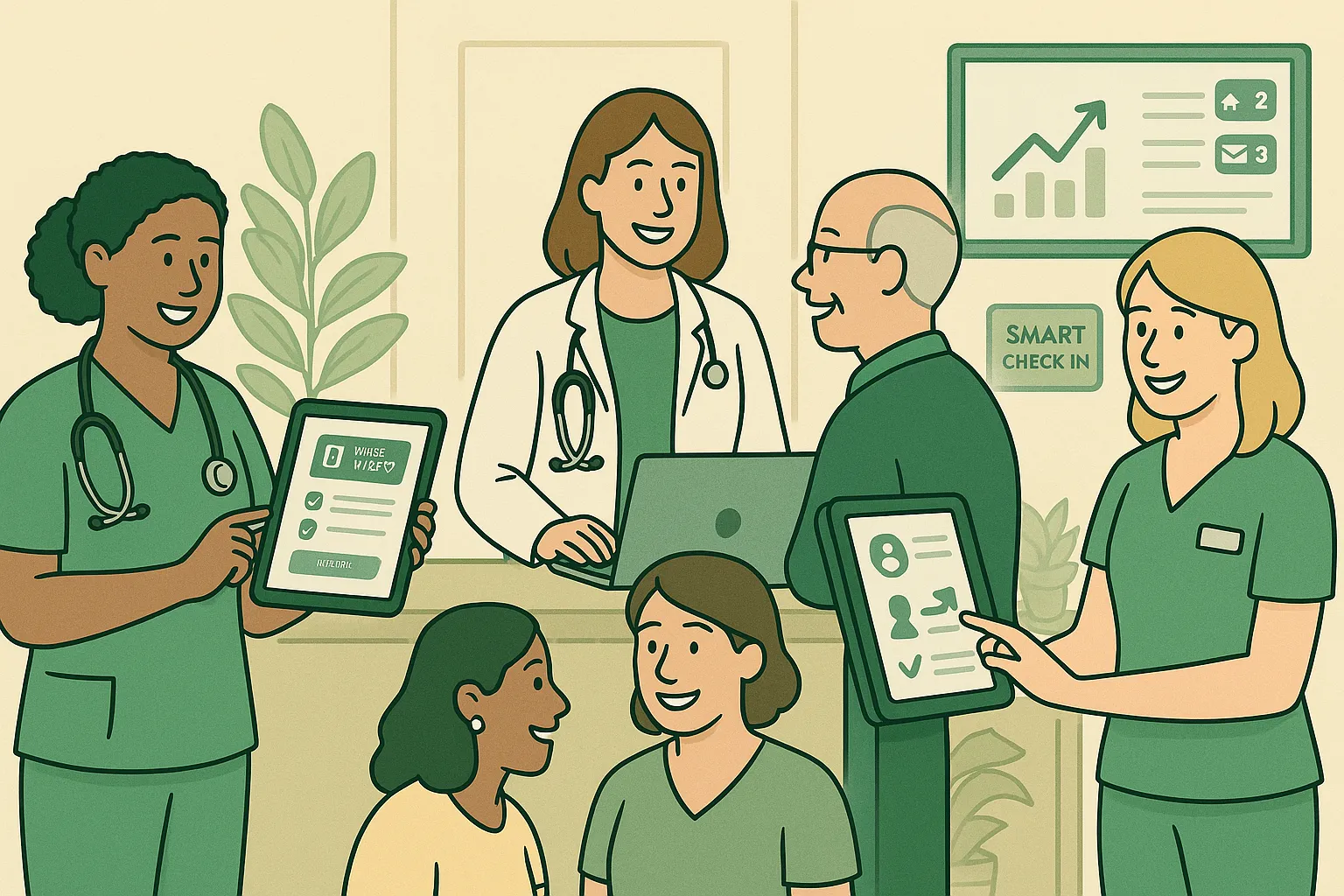
Let’s be honest: The phrase automation in healthcare, like Phreesia, might sound a little buzzword-y. But if you’ve worked in or around a healthcare organization recently, you already know it’s more than a trend—it’s a necessary evolution. Automation in healthcare is helping providers stay focused on what matters most: delivering high-quality care while managing rising demands with limited resources.
The Case for Automation
The healthcare landscape is shifting fast. Workforce shortages, rising operational costs, and growing patient expectations are creating pressure from all sides. In this environment, automation isn’t about cutting corners—it’s about making room for what really matters. From administrative workflows to patient engagement tools, automation is becoming a foundational strategy for long-term sustainability.
Where manual processes once slowed down operations, automation now provides a reliable way to streamline, scale, and reduce burnout across roles. It’s not just about saving time—it’s about improving accuracy, compliance, and experience, all in one move.
Common Use Cases
One of the most impactful areas for automation in healthcare is the patient intake process. Traditionally time-consuming and paper-heavy, intake can now be digitized and completed ahead of the visit. Patients fill out forms on their phones or laptops, reducing bottlenecks at check-in and ensuring that staff have accurate, up-to-date information before the appointment begins.
Another powerful use case is eligibility and benefits (E&B) verification. Automation ensures that every insured patient is verified before being seen, eliminating the need for manual work. This eliminates one of the biggest pain points for billing teams and reduces claim denials that can hurt cash flow. Choosing the right medical billing services can further streamline these processes and enhance reimbursement efficiency.
Automation also plays a key role in patient communications. Appointment reminders, follow-up surveys, and even payment notifications can be sent automatically via email or SMS, ensuring consistent outreach without adding to staff workloads.
Patient Experience Benefits
There’s a common misconception that automation in healthcare distances providers from patients. In reality, it does the opposite. By automating routine tasks, organizations free up time and energy to focus on more meaningful interactions. Patients appreciate the convenience of digital options—whether it’s checking in, making a payment, or completing a screening on their own time.
When done thoughtfully, automation supports a smoother, more personalized experience. Patients get faster service, fewer errors, and more transparency. And that builds trust.
Outcomes That Matter
Healthcare automation isn’t just about efficiency—it’s also about outcomes. Organizations that adopt automation solutions report fewer no-shows, higher collection rates, and improved documentation. Clinically, the ability to automate screenings, assessments, and follow-ups contributes to better data collection and more timely care interventions.
In value-based care environments, automation helps healthcare database providers track quality metrics, close care gaps, and collect patient-reported outcomes with ease. This directly contributes to incentive payments, improved ratings, and stronger population health performance.
Getting Started
For organizations considering automation, the key is to start small and scale smart. Identify the areas where your team feels the most burdened—often intake, billing, or outreach—and evaluate tools that integrate with your current systems. The goal isn’t to overhaul overnight, but to gradually introduce efficiencies that reduce friction and increase capacity.
Be sure to involve both clinical and administrative teams in the decision-making process. Automation is most successful when it aligns with workflows, not when it disrupts them. And of course, data security, HIPAA compliance, and interoperability should be top priorities when selecting solutions. This includes communication tools — understanding the infrastructure behind compliant calls ensures that phone-based workflows don’t become a regulatory blind spot during automation rollouts.
Final Thoughts
Automation in healthcare isn’t about taking people out of the equation—it’s about giving them the support they need to do their jobs better. It’s about building systems that are sustainable, responsive, and patient-centered.
The future of healthcare will always be human. But with the right automation in place, that future can also be smarter, faster, and more resilient.