Aging and Mobility Issues: How Seniors Can Thrive
<p>Growing older often means your body slows down. Suddenly, things like climbing stairs, going for a walk, or rising from a chair can feel a bit tougher. These changes are just a regular part of…
- Published
- Written by
- Women In Balance Team
- Reading time
- 5 minutes
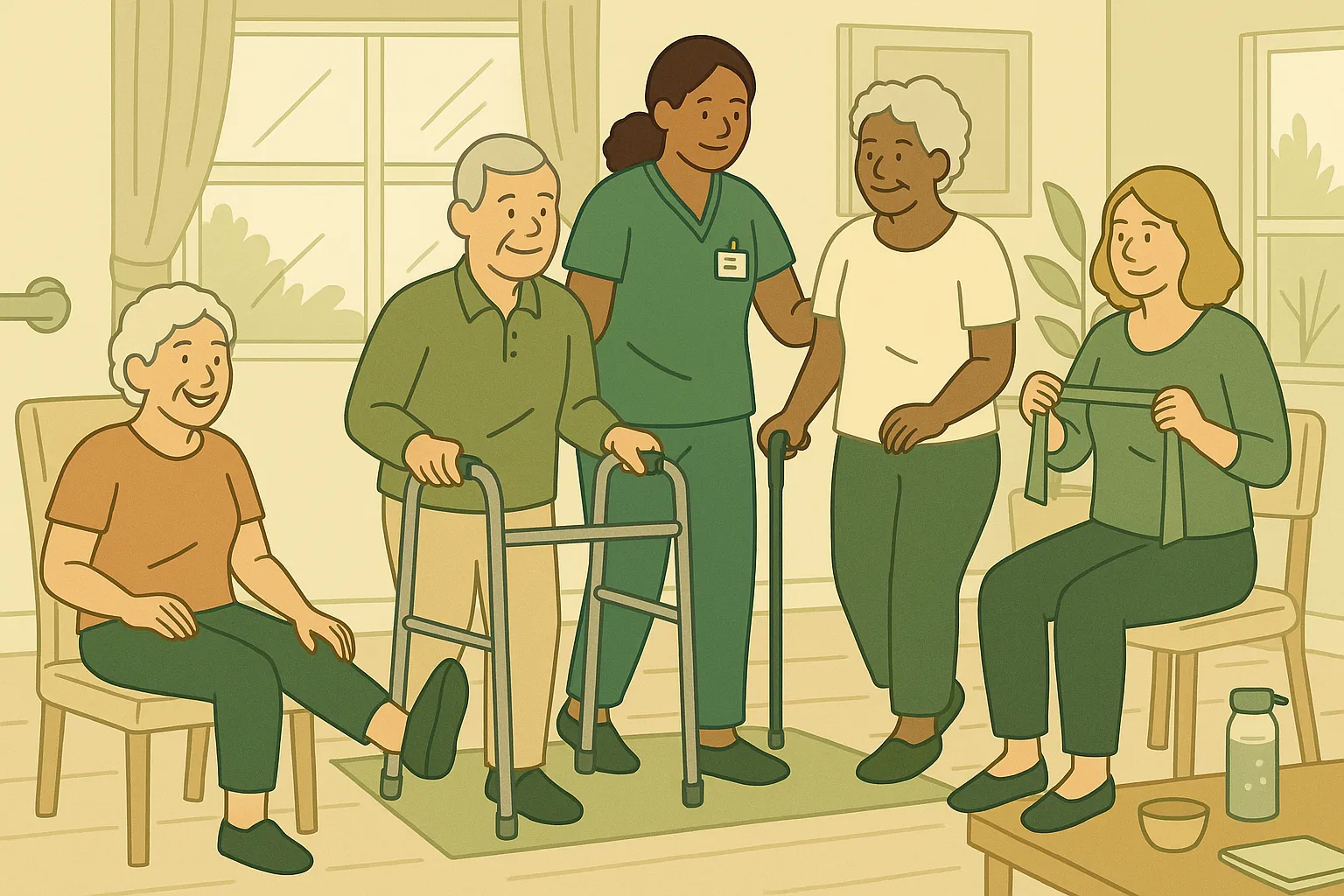
Growing older often means your body slows down. Suddenly, things like climbing stairs, going for a walk, or rising from a chair can feel a bit tougher. These changes are just a regular part of aging, but they don’t have to signal the end of an active life.
According to NIH, around a third of people aged 70 and the majority of those in their 80s report experiencing difficulties with mobility. The challenges of limited mobility are complex and can significantly increase the chances of falls and hospital visits for older adults. It ultimately diminishes their quality of life and increases the risk of mortality.
For seniors, staying active can boost confidence, enhance safety, and lead to improved mental and physical health. The trick is to identify potential challenges early on and take proactive measures to tackle them. This article explores practical tips and techniques that seniors can use to overcome mobility issues and keep thriving in their daily lives.
Understand the Risks
As you begin to reflect on the risks associated with aging, it’s clear that it’s more than just growing older. Conditions such as arthritis, osteoporosis, and heart disease can significantly impact your mobility and make everyday activities more difficult.
On top of that, neuromuscular problems, obesity, and even something as simple as poor balance can heighten your chances of facing mobility challenges. You find that limited movement can lead to other issues, such as losing your independence or feeling less confident.
If you are not as mobile, you may end up sitting more often, which can weaken your muscles and make things even tougher. When the likelihood of falling increases, it can lead to some significant adjustments in your lifestyle. You need to take these risks into account and actively work on staying safe.
Maintain Optimal Fitness Levels
Staying fit as you get older is one of the best ways to maintain your independence and truly enjoy life. CDC notes that for individuals aged 65 and above, incorporating aerobic, muscle-strengthening, and balance activities into their weekly routine is essential.
Regular physical activity can help prevent various health concerns that tend to arise with age. It also boosts your muscle strength, enabling you to continue your everyday tasks independently.
Consider incorporating some easy seated exercises, like leg lifts, arm circles, or ankle rotations, into your routine. These can help maintain your joint flexibility. Make sure to prioritize your safety.
Take it slow at the beginning and tune in to how your body is feeling. If you need a little extra support, grab a sturdy chair. By weaving exercise into your weekly routine, you are setting yourself up for better health. It enhances your overall sense of well-being.
Seek Expert Help
Reaching out to experts can make a world of difference when dealing with mobility challenges. A physical therapist can design a tailored exercise plan just for you, concentrating on building strength and enhancing flexibility. It helps to lower your chances of falls and lift your confidence.
Seniors facing mobility challenges can benefit from the support of a nurse. Fortunately, the nursing shortage in the US is not a reason to worry and professionals have more options to step into this role.
The accelerated BSN online program prepares passionate and committed future nurses with the essential skills they need for their careers. All this is possible through a fast and budget-friendly degree option. The best part is that they can pursue it without pausing their careers.
According to Cleveland State University, a registered nurse is a licensed healthcare professional dedicated to caring for patients of all ages.
Having a geriatric care manager on your side can be a tremendous help, guiding you and your family to make informed decisions. Their expertise can help you maintain your independence and ensure you have the resources and support necessary to keep enjoying the activities you love.
Ensure a Safe Environment
Making your home a safe place is one of the most effective strategies to avoid falls and injuries. Mayo Clinic states that every year, countless seniors face injuries in and around their homes. Around 2.9 million individuals aged 65 and older find themselves in hospitals annually due to injuries that happen at home.
Many of these injuries stem from hazards that are often overlooked but are surprisingly easy to fix. Begin by checking your living area for typical threats. Loose rugs, inadequate lighting, and cluttered pathways can all contribute to accidents.
If you have trouble getting in and out of chairs or bed, raised furniture or a reliable walker could be a great help. Keep frequently used items within easy reach to avoid unnecessary stretching or climbing. These little changes can significantly improve your comfort and safety every day.
Keep Stress at Bay
Stress can catch you off guard, especially when facing mobility challenges or the changes that come with getting older. According to the WHO, loneliness and social isolation pose significant risks for mental health issues in later life. Around 14% of adults aged 60 and above are living with a mental disorder.
Mental disorders among older adults contribute to 10.6% of the total years lived with disabilities in this age group. A great way to fend off stress is by staying active, within your limits. Even light activities such as stretching, chair yoga, or a leisurely walk outdoors can enhance your mood and trigger happy endorphins.
Prioritize getting enough sleep, eating nutritious foods, and staying connected with friends and family. When stress starts to feel overwhelming and you’re struggling to cope alone, connect with a health professional or think about joining a support group. It can make a huge difference.
FAQs
How to help people with mobility issues?
Support individuals with mobility challenges by ensuring that spaces are safe and clutter-free. Consider adding grab bars or ramps, promoting gentle exercises, and lending a hand with daily tasks when necessary. Provide emotional support, actively listen to their concerns, and practice patience.
Can an elderly person regain mobility?
An older adult can often regain their mobility with the right mix of personalized exercises, physical therapy, and consistent movement routines. Focusing on strength, balance, and flexibility, and using mobility aids when necessary, can enhance their overall function. Remember, early intervention and sticking to a routine are crucial for supporting recovery.
How to avoid immobility in old age?
Keeping yourself mobile is key to staying active. Regular exercise that emphasizes strength, balance, and flexibility can make a big difference. Focus on maintaining a balanced diet, managing any ongoing health conditions, and ensuring your living space is safe to help prevent falls. Nurturing social connections can help you manage your mobility and independence.
Getting older does not have to mean surrendering your independence or hitting the brakes on life. Your ability to move around influences more than just your physical health. It plays a significant role in how you connect with others and how you feel about yourself.
It’s never too late to pick up new habits or seek advice from professionals. There are many resources and experts eager to support you on your journey. By staying hopeful and seeking help when needed, you can flourish and fully enjoy life as you age.