From Burnout to Balance: When It’s Time to Seek Support
<p>Burnout can creep in gently—or hit like a wall. You might brush it off as fatigue or stress, pushing through until exhaustion becomes your default. But chronic overwhelm affects your health…
- Published
- Written by
- Women In Balance Team
- Reading time
- 3 minutes
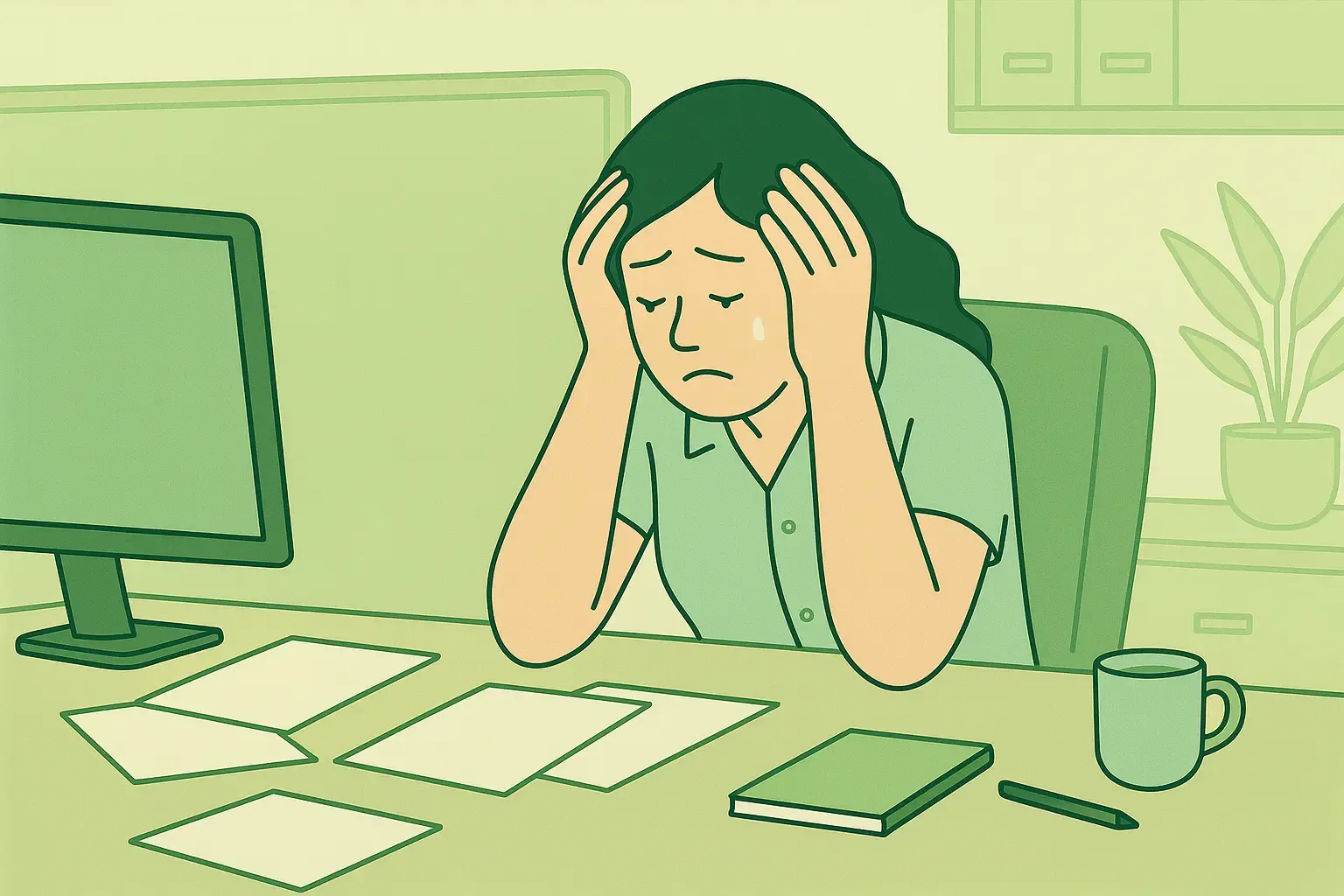
Burnout can creep in gently—or hit like a wall. You might brush it off as fatigue or stress, pushing through until exhaustion becomes your default. But chronic overwhelm affects your health, relationships, and fulfillment. Recognizing when it’s time to ask for help can mark the moment you begin healing.
Understanding Burnout and Its Hidden Costs
Burnout is more than feeling tired—it’s emotional exhaustion, diluting confidence, and disconnect from daily life. It’s especially prevalent for carers, professionals, and parents juggling multiple roles. In Canada alone, a 2021 Mental Health Commission survey found that nearly 30% of adults reported burnout symptoms affecting their daily functioning. That’s a lot of wear-and-tear waiting to be addressed.
Signs You Might Need Outside Support
Early intervention prevents burnout from spiraling. Here’s what to watch for—if these resonate, consider talking to a trusted provider:
- Persistent fatigue that sleep doesn’t fix
- Cynicism or emotional distance from work or loved ones
- Reduced joy in hobbies or time off
- Anxiety or dread about simple tasks
- Unusual irritability or mood swings
- Physical symptoms like headaches, muscle tightness, or stomach upset
These aren’t just signs of stress—they’re signals your coping strategies may need a reset.
Why Psychotherapy Helps With Balance
One powerful option is psychotherapy. If you’re in or near Vancouver, exploring psychotherapy Vancouver resources can connect you with mental health professionals trained to guide healing. Therapy isn’t about “fixing you”—it’s about giving space to unpack patterns, expectations, and fatigue cycles. Through guided conversation, goal-setting, and supportive reflection, therapy helps rebuild energy reserves and emotional clarity.
What to Expect When Seeking Support
Therapy may feel intimidating at first—but it’s fundamentally a safe, structured conversation. Here’s what you might experience:
- A warm, judgment-free space to explore what’s exhausting you
- Validation of your feelings and help in setting realistic goals
- Techniques for coping with stress, slowing racing thoughts, or managing overwhelm
- Time management strategies that preserve rest, delight, and routine
- A partner to support healing without rushing the process
- Guidance on practical matters, such as how to request medical certificate documentation when needed.
These elements work together to help undo burnout’s grip on your daily life.
Support Network and Lifestyle Adjustments
Alongside therapy, consider other strategies that support emotional and physical energy. Try:
- Scheduling daily micro-breaks—2 minutes of stretching or stepping outside
- Setting digital “off” zones—like no phone before bed or during meals
- Carving weekly time for activities you love
- Asking trusted people for practical help—groceries, errands, childcare
- Reviewing commitments and saying no to options that divide your focus
A full picture of support creates depth behind therapy’s mental reset.
Real Stories: Support Changes Trajectories
Many people who find balance again say that getting help changed everything. One parent described feeling like they were on autopilot until taking therapy sessions and stepping back from volunteer overload. With support, they shifted from relentless doing to choosing pause—and rediscovered what helped them feel alive again. These stories remind us: asking for help can wake up dormant parts inside us.
How to Reach Out: Simple Starting Points
Feeling unsure where to start? Try:
- Asking a friend or family member to help you find a therapist
- Exploring online listings or support directories like ARCCounselling.ca
- Checking if your workplace or community offers mental health referrals or free sessions
- Taking advantage of free or low-cost intake sessions to find fit
The hardest step is the first. But once you search—even just a first conversation—you’ve given yourself a chance to shift perspective.
When to Act: Don’t Wait Until You Burn Out
Burnout thrives when you ignore warning signs. Waiting until exhaustion forces you to pause means recovery takes longer—and may cost you physically and mentally. Reaching out early helps protect your energy, relationships, and sense of purpose.
Supporting Women Especially at Risk
Studies show that women—especially mothers, caregivers, and sole providers—are at higher risk of burnout due to role overload and societal expectations. Having access to supportive mental health tools like psychotherapy, peer groups, or flexible scheduling makes a difference. Because caring for others begins with caring for yourself first.
Final Thoughts
Recognizing burnout is not a sign of weakness—it’s a sign of wisdom. Realigning your life toward balance takes courage, intention, and sometimes help. With supportive professionals, wise boundaries, and trusted networks, you can move from overwhelm to center—and build a life worth balancing. If exhaustion has become your daily companion, today might be the day you choose something different.