Why Routine Screenings Are Important for Maintaining Long-Term Hearing Wellness
<p>Regular screenings are a crucial component of healthcare that is often overlooked, particularly when it comes to hearing wellness. Our ability to hear impacts nearly every aspect of our lives…
- Published
- Written by
- Women In Balance Team
- Reading time
- 4 minutes
Regular screenings are a crucial component of healthcare that is often overlooked, particularly when it comes to hearing wellness. Our ability to hear impacts nearly every aspect of our lives, influencing communication, social interactions, and even emotional health. Therefore, understanding the significance of routine hearing screenings can significantly contribute to maintaining our long-term hearing health. With one in eight people aged twelve and older experiencing hearing loss, according to the National Institute on Deafness and Other Communication Disorders (NIDCD), integration of hearing screenings into regular health check-ups becomes even more critical. By identifying issues early, we can take decisive actions to mitigate potential declines in hearing function.
Understanding the Importance of Hearing Wellness
Hearing wellness encompasses the ability to hear and the understanding of how our auditory system functions and ages. Over the years, our ears can face various challenges, including exposure to loud noises, which can lead to noise-induced hearing loss, or age-related changes known as presbycusis. Ignoring early signs of hearing loss, such as difficulty understanding conversations in noisy environments or needing to increase the volume on devices, can lead to long-term issues.
Untreated hearing loss has been linked to a decline in cognitive function and even social isolation, emphasizing the importance of regular screenings. Studies have shown that older adults who treat their hearing loss can significantly improve their cognitive function and quality of life.
The Process of Hearing Screenings
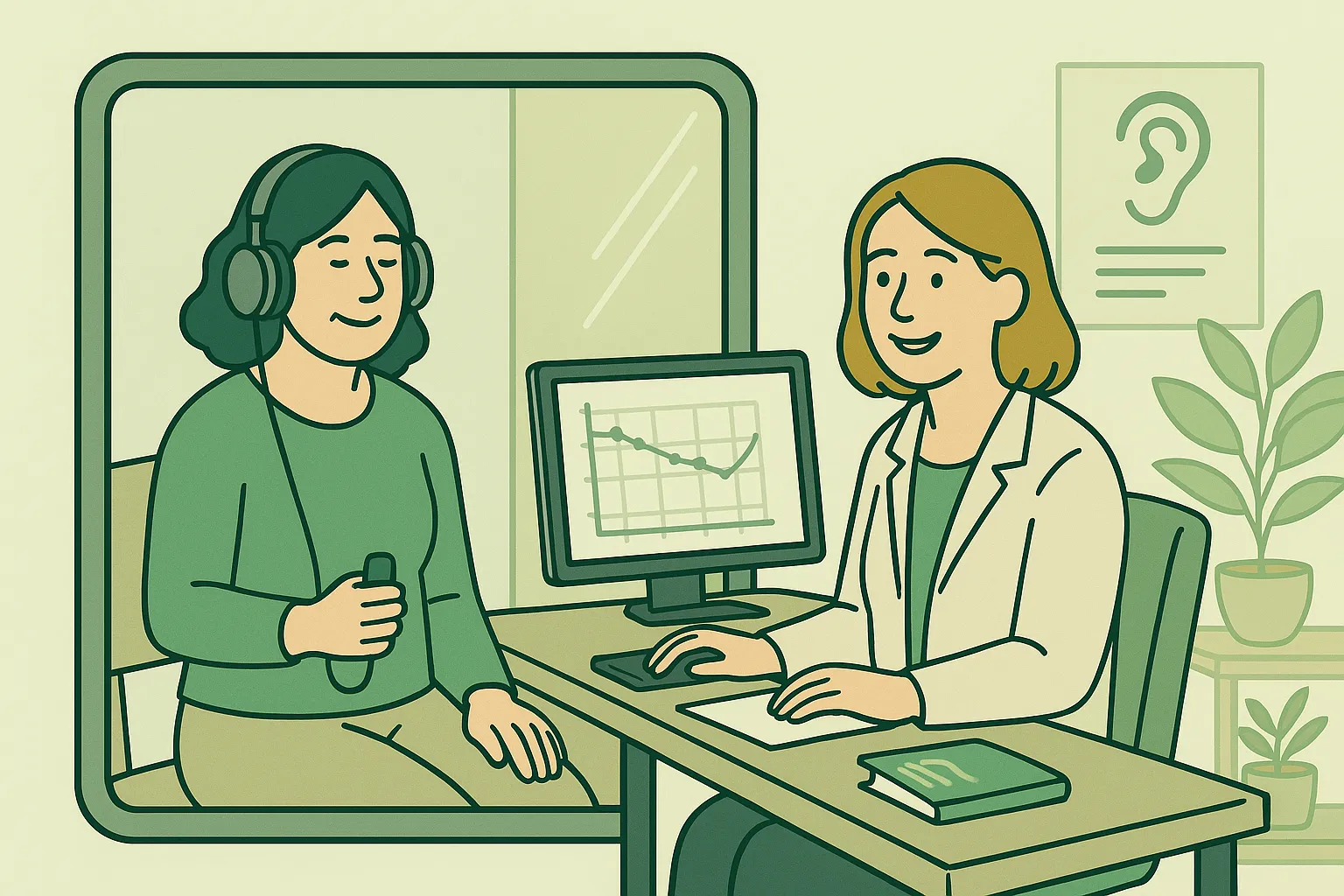
Hearing screenings are typically quick, non-invasive tests that assess how well an individual can identify sounds. During a screening, a healthcare professional will usually conduct a simple test using headphones, where various sounds at different frequencies are played. The individual is required to signal when they hear a tone. If the results indicate any concerns, further tests may be needed. These follow-up evaluations offer a comprehensive overview of the individual’s hearing capabilities, helping to ensure that any potential problems are identified swiftly. It is suggested that adults should have their hearing screened every three years, and those at a higher risk, such as individuals over the age of 60 or those with a family history of hearing loss, may benefit from more frequent assessments.
Barriers to Routine Hearing Screenings
Despite the proven benefits of regular hearing screenings, numerous barriers prevent individuals from taking advantage of these services. Many people associate hearing loss with aging and feel that it is an inevitable part of life, leading them to avoid discussing their hearing difficulties.
There may be a lack of awareness regarding the devastating effects of untreated hearing loss, which extends beyond merely not being able to hear well. Psychological factors such as embarrassment when wearing hearing aids or the fear of needing one, can further deter individuals from seeking screenings. Access to healthcare services plays a significant role. Individuals without insurance or those living in rural areas might find it challenging to obtain necessary screenings.
Technological Advances in Hearing Health
The field of audiology has seen remarkable advancements in technology that have made hearing screenings and treatments more accessible and effective. Modern audiometric equipment can now detect hearing issues at earlier stages than ever before and can provide personalized treatment plans based on an individual’s specific needs.
Hearing aids have evolved significantly, offering enhanced features such as Bluetooth compatibility and noise-cancellation capabilities. These innovations encourage individuals to actively participate in conversations again and improve their auditory experience. It is inspiring to see how technology can transform lives. If you’re struggling to hear, you can explore a range of options available to improve your hearing today and connect more effortlessly with others. With continuous advancements on the horizon, the future of hearing health promises even greater improvements in quality of life for those affected by hearing loss.
The Role of Healthcare Providers
Healthcare providers play a role in promoting the importance of routine hearing screenings. Regular check-ups allow medical professionals to educate patients about managing their hearing health. They can help to demystify the process of hearing screenings and address any anxieties or misconceptions patients may have. A proactive approach from healthcare professionals can motivate individuals to prioritize their hearing health. Counseling sessions discussing the impact of hearing loss on social life and mental health represent a vital opportunity for healthcare providers to reach out and ensure that their patients are fully informed about the risks associated with neglecting hearing wellness. Outreach programs, community workshops, and informational campaigns can further raise awareness among the population.
Encouraging Proactive Hearing Health Practices
Incorporating hearing health into everyday lifestyle choices can be beneficial in maintaining long-term hearing wellness. Simple lifestyle modifications, like reducing exposure to loud environments, using ear protection in noisy settings, and keeping music at safe volumes, can significantly reduce the risk of noise-induced hearing loss.
Engaging in brain exercises and social interactions can enhance cognitive function, helping offset potential declines related to hearing loss. These proactive measures improve hearing health and reinforce the quality of life. Individuals who take charge of their hearing health tend to report enhanced well-being, confidence, and a more vibrant social life.
Routine screenings for hearing well-being are crucial for maintaining health across the lifespan. Regular check-ups can identify issues early and advocate necessary treatment, ensuring individuals maintain healthy communication habits and quality of life. By addressing barriers to screenings, utilizing technological advancements, and encouraging proactive approaches in well-being, we can collectively enhance awareness about the significance of hearing wellness.