Creating a Home Workspace That Supports Balance, Focus, and Well-Being for Women Managing Studies and Side Projects
<p>Balancing higher education with personal side projects can be both exciting and exhausting. For many women, the challenge isn’t just about keeping up with assignments or deadlines – it’s about…
- Published
- Written by
- Women In Balance Team
- Reading time
- 5 minutes
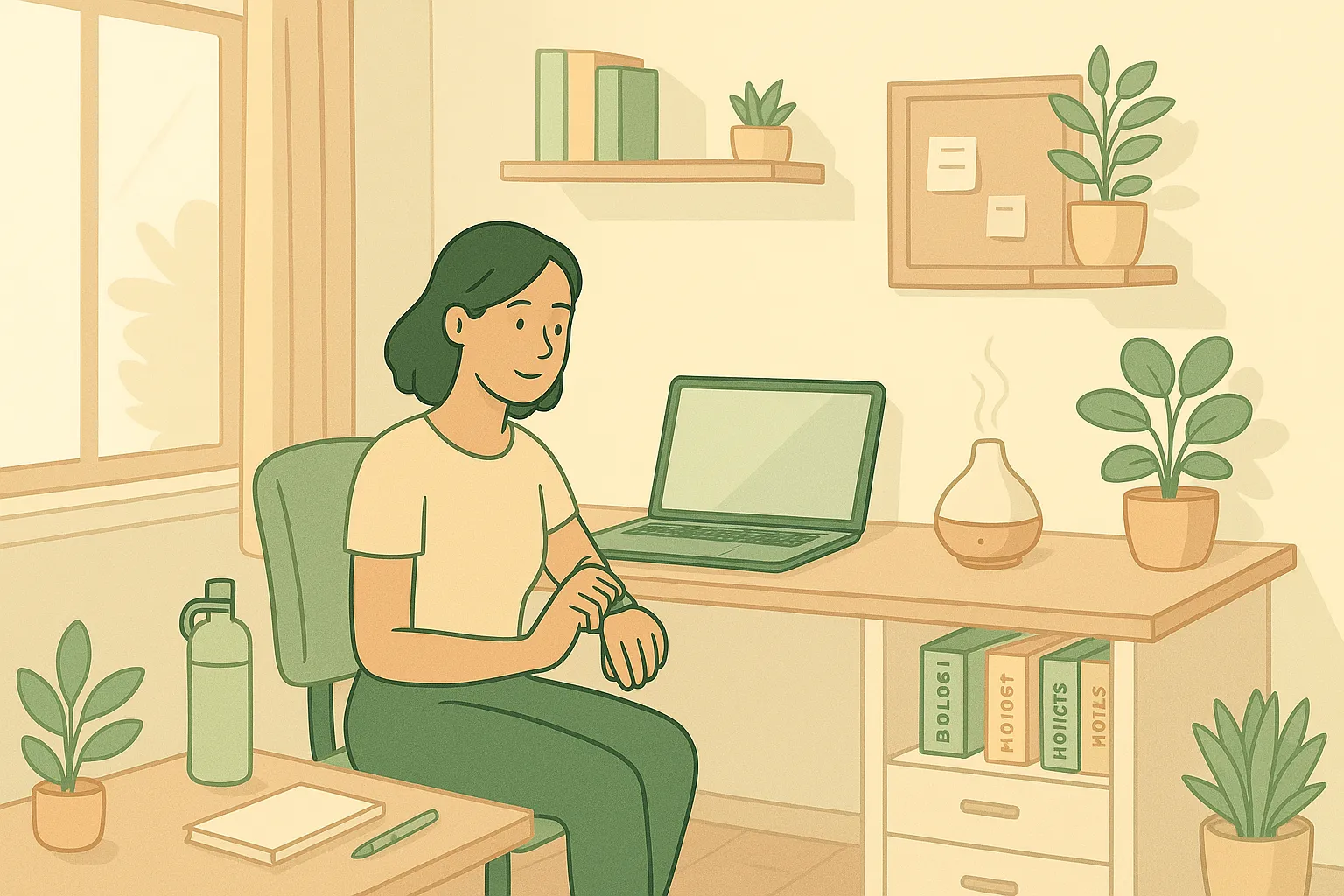
Balancing higher education with personal side projects can be both exciting and exhausting. For many women, the challenge isn’t just about keeping up with assignments or deadlines – it’s about creating an environment that nurtures productivity without sacrificing mental health. A well-designed home workspace can make all the difference, helping you transition smoothly between student responsibilities and creative or professional pursuits.
A home workspace should be more than just a desk and chair. It should be a thoughtfully arranged environment where your goals, workflow, and personal well-being intersect. If you’re studying, building a small business, or working on passion projects, the right setup can keep you energized and organized.
This is especially important for women who often juggle multiple roles. Whether you’re completing coursework, organizing side gigs, or handling personal responsibilities, having the right tools – including the occasional assistance from a research proposal writer – can keep you on track without overwhelming your schedule. That’s why experts like Annie Lambert, a seasoned writing expert at WritePaper’s essay writing service, often remind students that mental clarity and a supportive environment go hand in hand!
Understanding Your Needs Before Designing Your Space
Before you start moving furniture or buying supplies, take a moment to understand what you truly need from your workspace. Ask yourself:
- What tasks do I do most often?
- Do I need space for books, devices, or creative materials?
- How much natural light can I use during the day?
This self-assessment ensures you’re not just imitating a Pinterest board but building a setup that fits your lifestyle. For instance, if your side project involves digital design or graphic design software, you might need a large monitor and graphic tablet space to work efficiently and comfortably. If you’re studying law or medicine, storage for reference materials is essential.
Choosing the Right Location in Your Home
Even in small apartments or shared spaces, location matters. A workspace near a window offers natural light, which boosts mood and reduces eye strain. But you’ll also want a spot with minimal distractions. For those in shared living arrangements, setting up in a corner with a folding partition can create a sense of privacy without taking over the entire room.
If you live in a household where others are also working or studying from home, noise-cancelling headphones can be a lifesaver. They help maintain focus even when the environment isn’t silent.
Ergonomics: Protecting Your Health While You Work
Ergonomics isn’t just about comfort – it’s about preventing long-term strain and injury. Sitting for hours with poor posture can lead to back pain, wrist issues, and even reduced concentration. An adjustable chair with lumbar support, a desk at the right height, and a monitor positioned at eye level are basic but essential investments.
Consider using a keyboard tray or a laptop stand to reduce strain on your wrists and neck. If you can, alternate between sitting and standing throughout the day. A simple standing desk converter can make this possible without a full furniture overhaul.
Organizing for Dual Purposes: Study and Side Project
When your workspace serves two purposes – schoolwork and side projects – organization is crucial. Mixing materials can cause mental clutter and confusion. Keep them separated with labeled folders, separate desk drawers, or digital storage solutions.
One simple strategy is to designate certain hours of the day for each purpose. For example, mornings might be for coursework, while afternoons are for business or creative work. Visual cues, like switching your desk background or changing the layout slightly, can help signal your brain to shift focus.
The One Bullet List You Need: Workspace Essentials
To create a setup that balances focus and well-being, here are the must-have items for women managing both studies and side projects:
- Ergonomic furniture: Adjustable chair, proper desk height, wrist-friendly keyboard.
- Good lighting: A combination of natural light and adjustable task lighting.
- Noise control tools: Noise-cancelling headphones, sound-absorbing panels, or white noise machines.
- Organizational aids: Desk organizers, labeled folders, cloud storage.
- Wellness elements: A small plant, water bottle, or aromatherapy diffuser for stress relief.
- Incorporating architectural touches like gable end brackets around a home office area can enhance visual harmony and inspire a sense of calm and well-being in your dedicated workspace, supporting focus while you manage studies and side projects.
Managing Digital Distractions
In the age of constant notifications, one of the biggest workspace challenges is avoiding digital distractions. Apps that block social media or limit screen time during study hours can help you stay disciplined. Keep your phone out of reach or in “Do Not Disturb” mode during focused work sessions.
If your side project requires online presence or client communication, set strict boundaries. Check messages and emails at designated times rather than reacting immediately.
Incorporating Wellness into Your Workspace
A healthy workspace is one that supports both body and mind. Adding greenery like succulents or peace lilies can reduce stress and improve air quality. Keeping a reusable water bottle nearby encourages hydration, which can improve focus.
Movement breaks are equally important. Every hour, stand up, stretch, or walk around for a few minutes. If you can, place a yoga mat nearby for quick exercises between tasks.
Balancing Studies and Side Projects Without Burnout
Even the best-designed workspace won’t help if your schedule is unsustainable. Women often feel pressure to excel in all areas, but overcommitment leads to burnout. Use a planner or digital calendar to map out realistic deadlines and personal time.
If certain academic tasks become too time-consuming, outsourcing non-core work can free up energy for what matters most. This doesn’t mean neglecting your responsibilities – it means working smarter.
Leveraging Community and Support
A productive workspace isn’t only about physical setup – it’s also about the support network around you. Whether through study groups, online forums, or local networking events, connecting with others in similar situations can provide encouragement and fresh ideas.
If your side project involves collaboration, make your workspace video-call ready. A tidy background, good lighting, and clear audio will make virtual meetings more professional and efficient.
Wrapping Up
With a thoughtful setup, you can move fluidly between academic work and creative or professional pursuits, staying productive without sacrificing your health or happiness.
The result is a workspace that isn’t just functional – it’s a personal hub for growth, balance, and success!