When the System Fails You: A Woman’s Guide to Recovery and Rights
<p>Most of us place enormous trust in our doctors and health providers. We believe that their training and experience will keep us safe when we are at our most vulnerable. But sometimes, mistakes…
- Published
- Written by
- Women In Balance Team
- Reading time
- 3 minutes
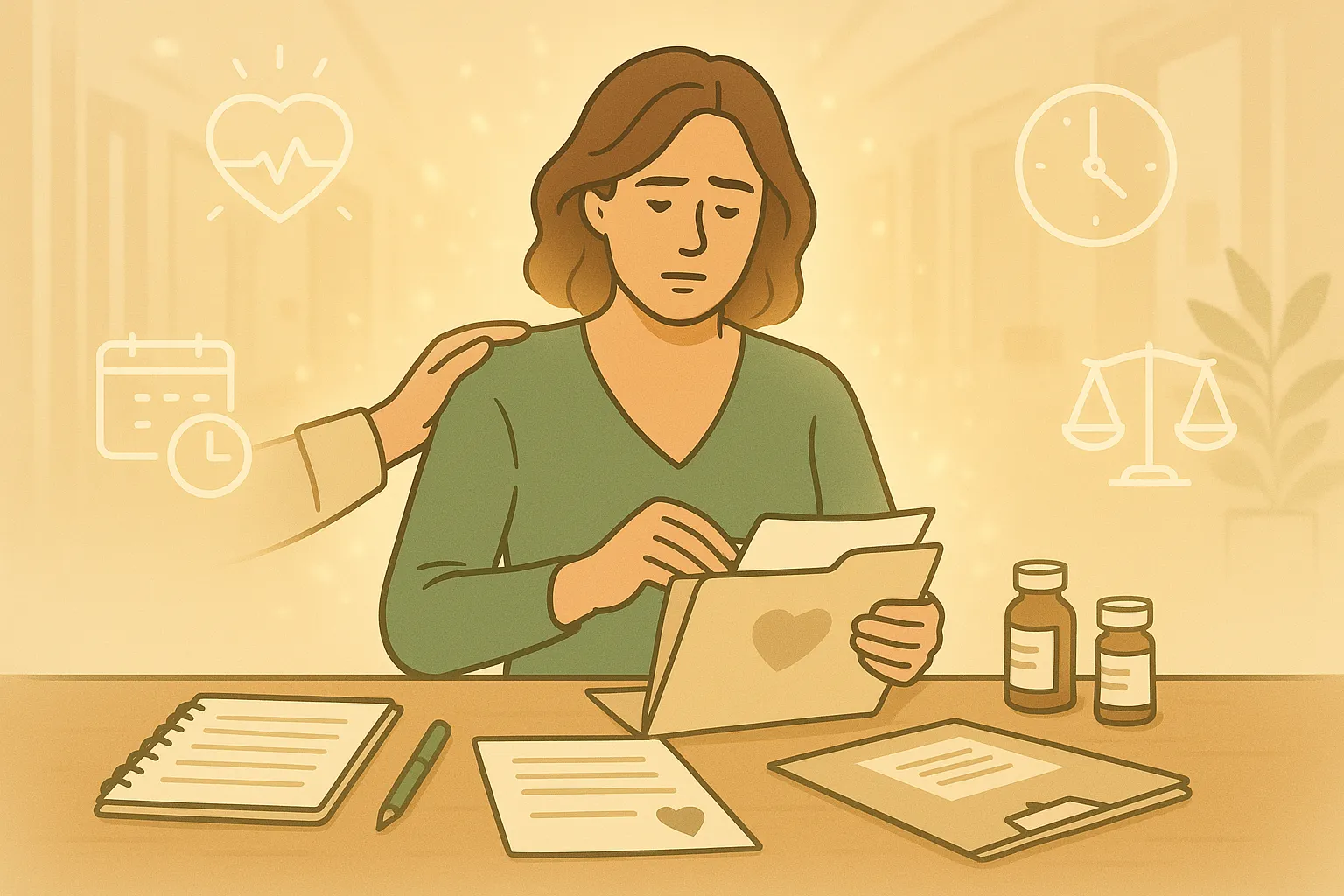
Most of us place enormous trust in our doctors and health providers. We believe that their training and experience will keep us safe when we are at our most vulnerable. But sometimes, mistakes happen. When a medical error affects your body or your peace of mind, the experience can feel both isolating and overwhelming.
In moments like these, it helps to know you are not alone. Support can come from many places—family, friends, counselors, and even a trusted medical malpractice lawyer who can help you understand your next steps. Taking action is not just about justice. It is also about reclaiming your voice and protecting your health moving forward.
Finding Emotional Resilience
The first step after a medical error is often emotional recovery. Shock, anger, and grief are natural responses. These feelings can be heavy, but acknowledging them is an important part of healing. Journaling your emotions, reaching out to supportive friends, or talking with a therapist can help you process what happened.
Women, in particular, are often expected to “hold it together” for their families. But prioritizing your emotional well-being is not selfish. It is a powerful way to strengthen yourself before taking practical steps. Healing starts with giving yourself permission to feel and seek help.
Documenting What Happened
Once you feel ready, gathering details is crucial. Memories fade quickly, and emotions can cloud the small but important facts. Writing down the timeline of your experience as soon as possible can protect your account.
Helpful documentation might include:
- Notes on when and where appointments or procedures took place
- Copies of prescriptions, test results, and treatment plans
- Dates and times of conversations with doctors or staff
This collection becomes your personal record. It is not just for potential legal use. It also helps you make sense of what happened and ensures you have clarity when discussing your care with new providers.
Talking With Your Care Team
It may feel intimidating to revisit the clinic or hospital after something went wrong. Still, asking questions can provide valuable answers. Sometimes, mistakes are openly acknowledged. Other times, explanations are less clear. Either way, having your records in hand will give you confidence.
Approach these conversations with curiosity rather than confrontation. Simple, direct questions often work best, such as:
- “Can you explain why this treatment was recommended?”
- “Is there a reason this medication was changed?”
- “What steps can I take now to improve my recovery?”
Even if you do not receive every answer, documenting the responses is another piece of your journey toward clarity.
Knowing Your Rights
Many women feel hesitant about exploring their legal options, fearing it will create more stress. Yet, understanding your rights is empowering. The law recognizes that patients deserve safe, competent care. When mistakes cross a line, you have the ability to hold providers accountable.
Legal support is not only about compensation. It can also highlight systemic issues and prevent the same harm from affecting others. Seeking advice does not mean you are locked into action. It simply gives you perspective on what choices are available.
Practical Steps to Move Forward
Balancing emotional healing with practical action can feel daunting. Breaking the process into small, manageable steps can help:
- Give yourself time to rest. Recovery, both physical and mental, needs space.
- Lean on support systems. Whether it’s family, friends, or community groups, connection matters.
- Keep your records organized. A binder or digital folder can simplify the process.
- Explore your legal options. Consultations can provide clarity on whether further steps are worthwhile.
Remember, you do not need to have all the answers immediately. The most important part is moving at a pace that feels right for you.
Finding Balance After the Unexpected
Experiencing medical negligence can shake your trust in both the system and yourself. But it does not have to define your future. With emotional resilience, careful documentation, open conversations, and awareness of your rights, you can begin to rebuild confidence.
Women often carry the weight of caring for others, but this is also a reminder to care for yourself. Taking these steps is not just about addressing what went wrong. It is about reclaiming your strength and protecting your health for the path ahead.
Conclusion
When the healthcare system fails you, it can feel like a personal betrayal. Yet, recovery is possible. By nurturing your emotional health, keeping clear records, and understanding the support available to you, you can turn a difficult chapter into one of resilience and empowerment.
Your health is your story. You deserve to write the next page on your own terms.