From Compression to Care: 5 Ways to Treat and Prevent Varicose Veins Naturally
<p>That familiar, heavy ache in your legs after a long day. The visible, twisting veins that make you think twice about wearing shorts. Varicose veins are more than just a cosmetic issue; they are a…
- Published
- Written by
- Women In Balance Team
- Reading time
- 6 minutes
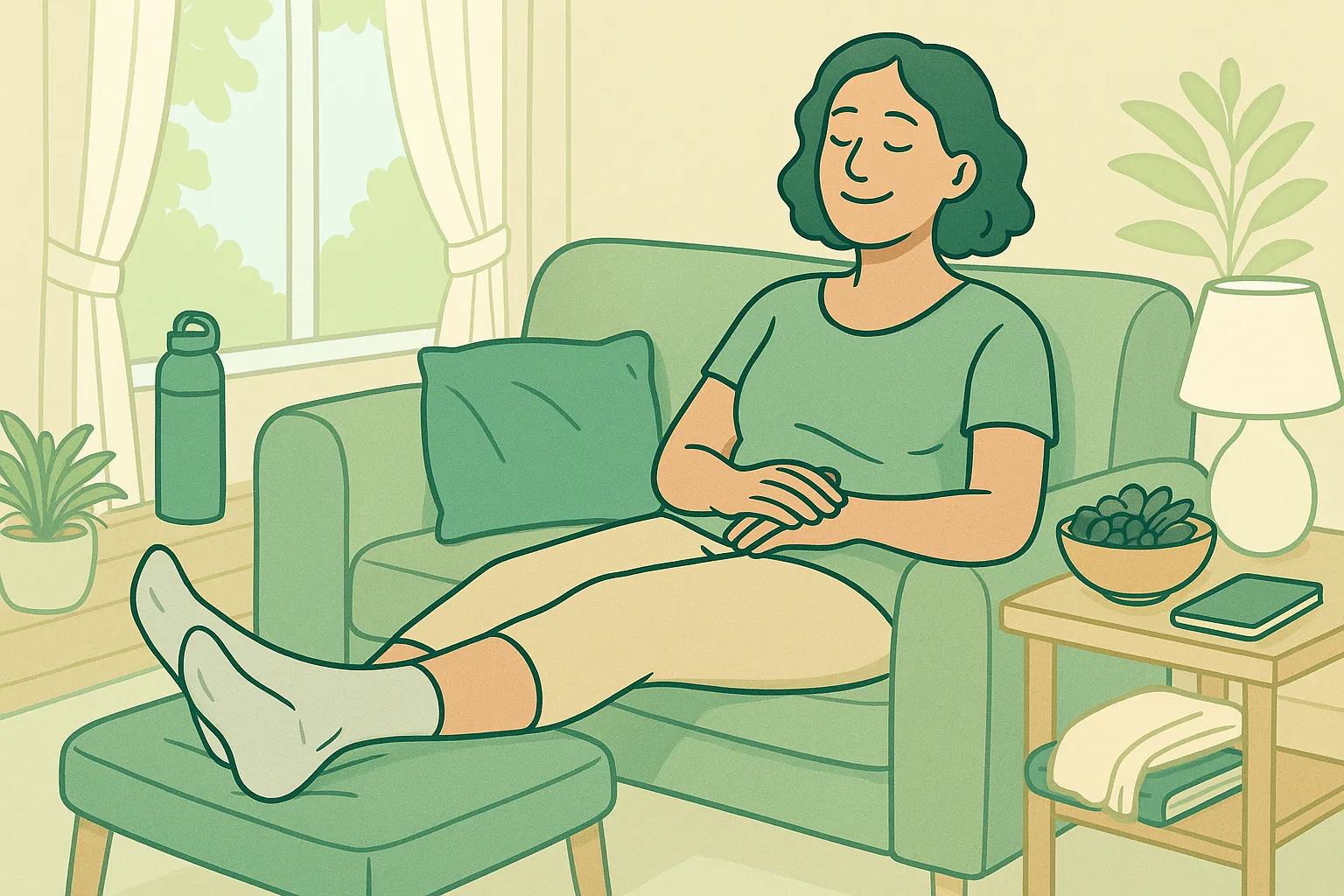
That familiar, heavy ache in your legs after a long day. The visible, twisting veins that make you think twice about wearing shorts. Varicose veins are more than just a cosmetic issue; they are a sign that your circulatory system is under strain. Caused by weakened valves that allow blood to pool in the veins, they can lead to persistent pain, swelling, and fatigue that diminish your quality of life.
But you are not powerless. Rather than waiting for the problem to worsen, you can take proactive, natural steps to support your veins, alleviate symptoms, and prevent new ones from forming. This guide moves beyond temporary fixes, offering a comprehensive lifestyle approach that empowers you to care for your legs from the inside out. Let’s explore five foundational strategies to help you find lasting relief. But first, what exactly are varicose veins and their complications?
Varicose Veins: Definition and Causes
Mayo Clinic discusses varicose veins as bulging, enlarged veins. See those violet-y and purple veins noticeable on your skin? Those might be varicose veins.
Such veins are close to the surface of your skin. The term “varicose” actually connotes “superficial.”
They are primarily found in the legs since standing and walking, which increase pressure in the veins of the lower body, are the most common causes.
When varicose veins worsen, they can lead to:
- Long-term poor blood flow in the legs
- Open sores on the skin (leg ulcers)
- Painful vein inflammation (phlebitis)
- Dangerous blood clots (deep vein thrombosis)
- Sudden bleeding if a vein bursts
- Itchy, irritated skin (eczema)
- Hardening and tightening of the skin
- Darkening or discoloration of the skin
Is there a way to combat this? Most definitely. Here are some tips:
5 Natural Ways to Treat and Prevent Varicose Veins
Tip 1: Start with Compression: Everyday Game-Changer
If you’re looking for the single most effective, non-invasive tool, start with compression. Therapeutic options like knee high compression socks by VIM & VIGR apply gentle, graduated pressure; tightest at the ankle and decreasing up the leg to assist your veins in pushing deoxygenated blood back toward the heart. This mechanical support immediately improves circulation, reduces swelling, and eases the feeling of heaviness.
Follow these tips to use them for their benefits:
- Find the correct pressure: For daily prevention and mild symptoms, a compression level of $15-20 \text{ mmHg}$ (millimeters of mercury) is typically recommended. For more significant symptoms, a doctor might suggest a higher level.
- Prioritize fit over style: A proper fit is non-negotiable. The socks should feel snug and supportive, but never painfully tight or constricting. Measure your ankle and calf circumference first thing in the morning when swelling is at its minimum to find your correct size. They should not roll down or bunch up.
- Make it a morning ritual: Put your compression socks on as soon as you wake up, before gravity has a chance to cause blood and fluid to pool in your lower legs. This “pre-emptive” approach is far more effective than putting them on after swelling has already begun.
- Consistency is key: The benefits of compression are cumulative. Wear them daily, especially if you have a job that requires prolonged sitting or standing. Think of them not as a temporary fix, but as essential daily support for your vascular system.
Tip 2: Embrace Dynamic Movement and Strategic Rest
Your calf muscles are your body’s “second heart.” Every time they contract, they squeeze the deep veins in your legs, propelling blood upward. A sedentary lifestyle silences this crucial pump. So be active, with the following tips to follow:
- Activate the calf pump: If you sit or stand for work, set a reminder to move every 30-60 minutes. Walk around, do calf raises, or simply rotate your ankles. These small movements reactivate circulation.
- Choose low-impact exercise: Activities like walking, swimming, cycling, and yoga are excellent for strengthening the muscles that support your veins without the high-impact stress of running on pavement.
- Elevate intelligently: Gravity is a constant force working against your veins. Counteract it by elevating your legs above the level of your heart for 15-20 minutes, 2-3 times a day. This simple act uses gravity to your advantage, helping to drain pooled blood and reduce pressure.
Tip 3: Nourish Your Veins from Within
A strong vascular system is built with the proper nutrients. An anti-inflammatory diet can strengthen vein walls, improve blood flow, and reduce swelling. Here’s what should be on your diet to say goodbye to the nasty varicose veins:
- Focus on flavonoids: These powerful antioxidants, found in berries, citrus fruits, dark leafy greens (like spinach and kale), and dark chocolate, help protect and strengthen the walls of your blood vessels.
- Prioritize fiber and hydration: Constipation increases abdominal pressure, which can impede blood flow from the legs. A diet rich in fiber from whole grains, legumes, and vegetables prevents this. Adequate water intake ensures your blood remains at a healthy viscosity for smooth flow.
- Incorporate omega-3s: Found in fatty fish (salmon, mackerel), walnuts, and flaxseeds, these fatty acids have anti-inflammatory properties that support overall cardiovascular health.
- Limit Inflammatory Foods: Reduce your intake of processed foods, excessive salt, and refined sugars, as they can contribute to water retention and inflammation, worsening symptoms.
Tip 4: Try Soothing Topicals and Therapeutic Baths
While internal support is key, external care can provide immediate, soothing relief for tired, achy legs. Here are some treatments to follow:
- Epsom salt soaks: A warm (not hot) bath with Epsom salts can help relax muscles and may reduce swelling. High heat from hot tubs or saunas can dilate veins further, so opt for moderate temperatures. A study in the International Journal of Health Sciences and Research has found that Epsom salt with hot water effectively reduces pain inside and out of the muscles.
- Gentle upward massage: Using a natural carrier oil like castor, coconut or almond, gently massage your legs in upward strokes, moving from the ankle toward the knee and thigh. This mimics the direction of blood flow and can help encourage circulation.
- Harness botanical ingredients: The following resources from nature will help you steer clear of varicose veins:
- Witch hazel: Applied topically, this natural astringent can temporarily tighten and soothe swollen veins.
- Horse chestnut extract: Gels and creams containing aescin (the active compound in horse chestnut) have been shown to reduce leg swelling and discomfort.
- Essential oils: Peppermint, cypress, and lavender oils (always diluted in a carrier oil) can create a cooling, soothing sensation.
Tip 5: Consider Supportive, Science-Backed Supplements
Certain plant-based supplements have been studied for their ability to support vein integrity.
- Red vine leaf extract: Rich in flavonoids, this extract is known to help reduce edema (swelling) and feelings of heaviness in the legs.
- Butcher’s broom (Ruscus aculeatus): This herb contains compounds called ruscogenins that may help tighten blood vessels and reduce inflammation.
- Vitamin C with collagen: Vitamin C is essential for the synthesis of collagen and elastin, the two primary connective tissues that give your veins strength and flexibility.
Important: Always consult a healthcare professional before starting any new supplement. They can interact with medications and may not be suitable for everyone, particularly if you are pregnant, breastfeeding, or have underlying health conditions, which brings you to the last section of this piece:
When to Seek Professional Medical Advice
Natural therapies are powerful for management and prevention, but they are not a substitute for medical care. Consult a doctor if you experience:
- Suddenly, severe swelling or pain in one leg.
- Skin over the vein becomes discolored, hard, dry, or ulcerated.
- A varicose vein that begins to bleed.
- Tenderness, warmth, and redness along the vein, which could indicate a blood clot (thrombophlebitis).
By integrating these holistic strategies, you can transform your approach from passive discomfort to active care. Start with one or two changes that feel manageable, and build from there. Also, avoid restrictive clothing, always wearing high heels, and the bad habit of crossing your legs often. Your legs carry you through life, so empower them with the support they need to feel strong, light, and healthy.