Personalized Solutions for Women’s Hormonal Health
<p>Hormonal health is one of those topics that affects every woman at some point in her life, yet it’s rarely discussed in a way that feels clear or empowering. From adolescence through menopause and…
- Published
- Written by
- Women In Balance Team
- Reading time
- 6 minutes
Hormonal health is one of those topics that affects every woman at some point in her life, yet it’s rarely discussed in a way that feels clear or empowering. From adolescence through menopause and beyond, hormones influence everything from mood and energy to sleep, metabolism, and even how we handle stress. The tricky part is that no two women experience hormonal changes in exactly the same way. That’s why personalized solutions are so important. Instead of brushing off symptoms as “just part of getting older” or “normal for your cycle,” it’s time to listen to what your body is really telling you and respond in a way that’s specific to your needs.
Hormonal Symptoms Are Signals, Not Inconveniences
Maybe you’ve felt exhausted even after a full night’s sleep. Or your patience is wearing thinner than usual, and the smallest things set you off. Perhaps your periods have become irregular, heavier, or more painful, and no one seems to have a satisfying answer. These experiences are incredibly common, but that doesn’t make them any less frustrating. The good news is that these symptoms are signals, not life sentences. They’re your body’s way of asking for attention, and with the right tools, you can start finding real relief.
Start With Symptom Tracking
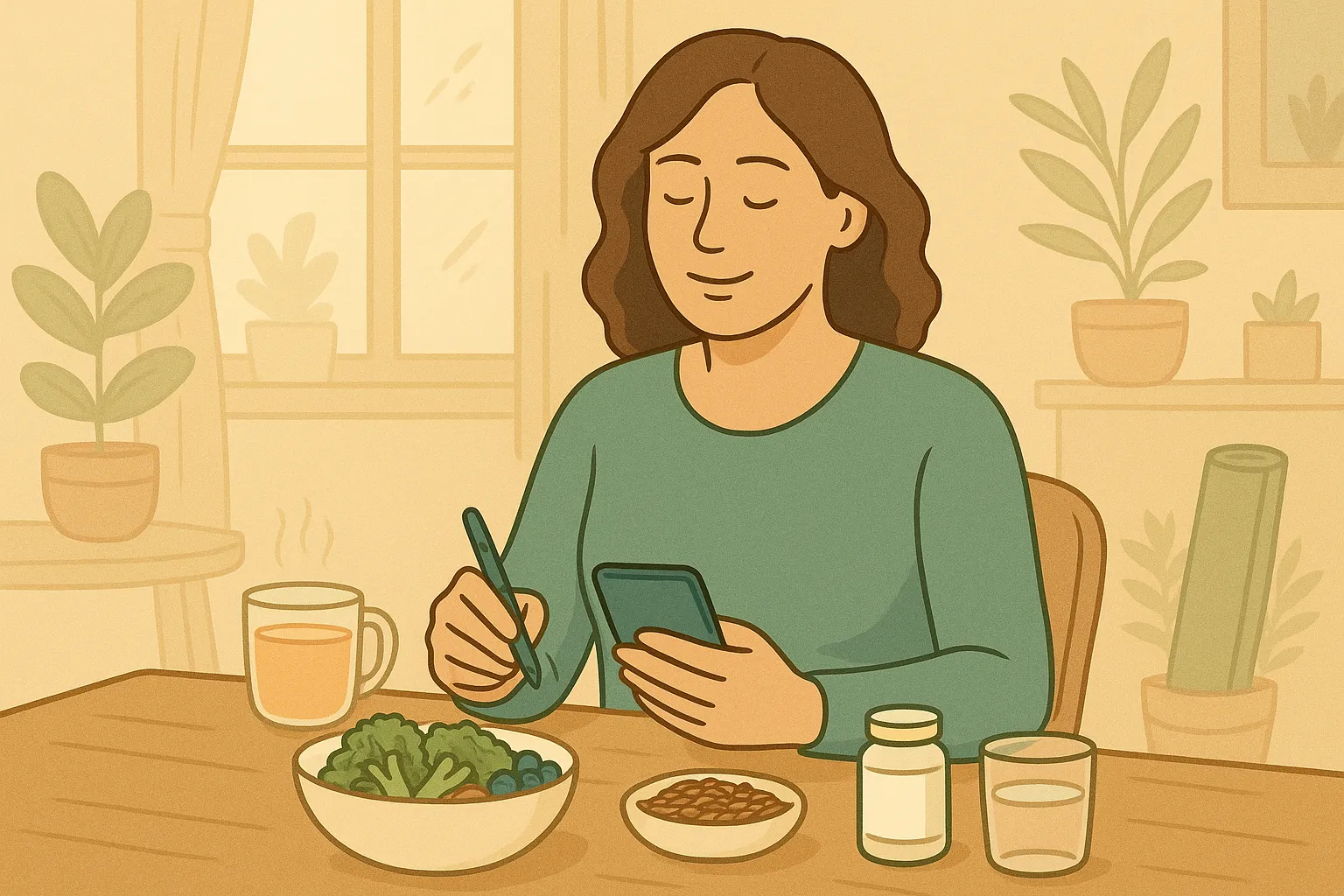
The first step in any personalized approach is awareness. When you begin tracking your symptoms—whether it’s mood changes, bloating, sleep disruptions, or skin breakouts—you start to recognize patterns. Over time, this gives you a clearer picture of what might be triggering hormonal fluctuations. Maybe your energy dips halfway through your cycle. Maybe certain foods leave you feeling sluggish. Keeping a journal or using a tracking app can make a huge difference in understanding your own rhythms.
Choose a Provider Who Listens and Tests Thoroughly
From there, finding a provider who takes your concerns seriously is essential. Hormonal testing should go beyond basic lab work. You want someone who will look at the full picture: estrogen, progesterone, testosterone, thyroid hormones, and cortisol, depending on your symptoms. Timing matters too. For instance, testing progesterone too early in your cycle could show it as low when it’s not. This is why a personalized plan is so important. It’s not just about numbers on a chart. It’s about how you feel and how your body is responding to what’s going on around you.
Food, Sleep, and Daily Habits That Support Hormones
Now let’s talk about daily habits. Nutrition, sleep, movement, and stress all have a powerful impact on hormone health. You don’t need to follow a rigid diet or exercise like an athlete to support your hormones. In fact, extreme approaches often make things worse. What your body craves is balance, not intensity. Start with food. Focus on whole, nutrient-dense meals that include healthy fats, fiber, and plenty of vegetables. Cruciferous veggies like broccoli and cauliflower help the liver process excess estrogen. Flaxseeds and chia seeds are rich in omega-3s and lignans that support hormone metabolism. Protein stabilizes blood sugar, which in turn keeps hormones like insulin and cortisol in check.
Quality Sleep Helps Regulate Hormone Production
Sleep is equally vital. It’s during rest that your body repairs tissues and regulates hormone production. If you’re waking up at 2 a.m. with your mind racing or struggling to fall asleep at all, that’s a red flag. Avoid stimulants like caffeine late in the day, keep your room cool and dark, and try to power down electronics an hour before bed. You might also consider calming herbs like magnesium glycinate or L-theanine if stress is part of the problem.
Gentle Movement Supports Hormonal Balance
Movement is another essential pillar. You don’t have to hit the gym seven days a week. In fact, some women feel worse when doing intense workouts during certain phases of their cycle. Gentle strength training, walking, yoga, or low-impact cardio can support hormones without increasing stress. Pay attention to how your body feels after exercise. If you’re more exhausted than energized, it may be time to scale back and focus on recovery.
Stress Management Is a Hormonal Superpower
Chronic stress is often the root cause of hormone imbalance. When your body is in a constant state of “fight or flight,” it prioritizes survival over reproduction, digestion, and mood. That’s why high cortisol can lead to symptoms like anxiety, belly fat, brain fog, and even missed periods. Making time each day for something that calms your nervous system can have a dramatic effect. This could be breathwork, time in nature, journaling, or simply saying no to commitments that drain your energy.
Supplements and Herbs for Targeted Support
In addition to lifestyle changes, some women benefit from targeted supplements and herbal support. B vitamins are essential for energy and mood. Magnesium helps relax the body and supports sleep. Vitamin D is involved in hormone production and immune function. Adaptogens like ashwagandha and rhodiola can support the adrenal system, especially when stress is high. Herbs like chasteberry (also called vitex) have been used for centuries to support menstrual regularity and ease symptoms of PMS. Of course, supplements are not a cure-all. The best results come from choosing the right tools for your body based on testing and professional guidance.
Bioidentical Hormones
Sometimes, despite all the right lifestyle changes and supportive herbs, symptoms persist. This is often the case during perimenopause or menopause when hormone levels fluctuate more dramatically. For women who need additional support, hormone therapy can be an effective option. What makes this kind of therapy more successful for many women is its customization. This is where working with a compounding pharmacy can be especially helpful. Unlike conventional prescriptions that come in fixed doses, a compounding pharmacy can create bioidentical hormones in personalized strengths and forms that suit your unique body chemistry. Whether it’s a topical cream, sublingual tablet, or custom capsule, your provider can prescribe a formulation made just for you. This tailored approach can reduce side effects and improve how well your body responds.
Care That Evolves With You
The beauty of personalized care is that it grows with you. What you need in your thirties may be very different from what supports you in your forties or fifties. Hormones shift throughout life. Your care should too. By staying in tune with your body, regularly assessing how you feel, and being open to adjusting your plan, you create a foundation of health that lasts for the long term.
You Deserve to Feel Like Yourself Again
At the heart of all this is the idea that you deserve to feel like yourself again. You deserve to wake up with energy, move through your day with clarity, and rest deeply at night. You deserve to be heard when you say something feels off, even if your bloodwork looks “normal.” The path to balance is not always a straight line, but with the right support and a personalized plan, it is absolutely possible.
Getting Started
Begin with curiosity. Track your symptoms. Notice your patterns. Nourish your body with whole foods. Move in ways that feel good. Prioritize rest. Reduce stress where you can. And when needed, explore more advanced options like working with a provider who collaborates with a compounding pharmacy to fine-tune your care.
Your hormones are not something to fight against. They are powerful allies when supported properly. And when your hormones are in harmony, everything else begins to fall into place.