Medical Malpractice Risks Specifically Affecting Women
<p>Medical malpractice remains a pressing concern within healthcare, and for women, the risks often involve conditions and treatments tied to reproductive health, gender-specific diseases, and…
- Published
- Written by
- Women In Balance Team
- Reading time
- 4 minutes
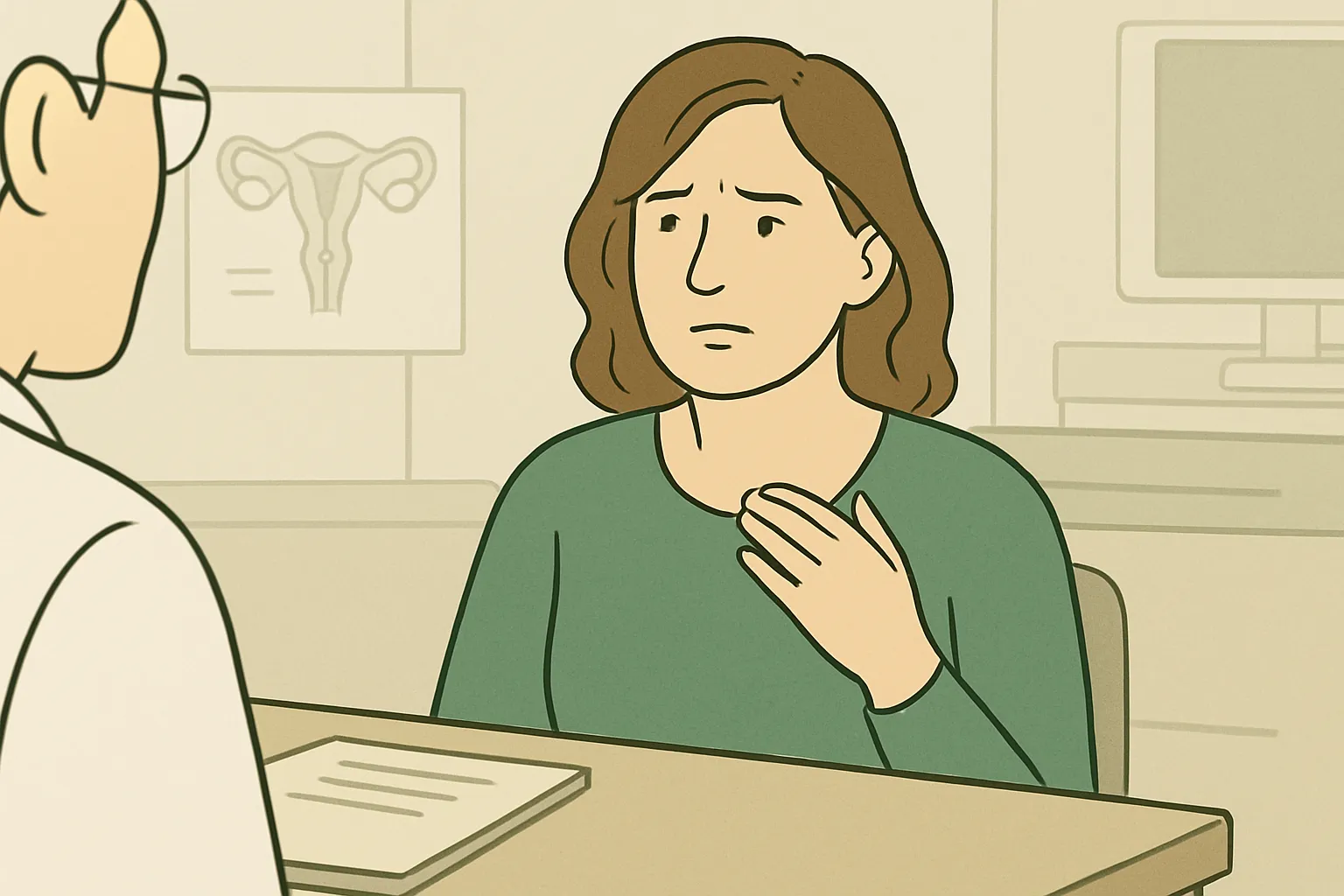
Medical malpractice remains a pressing concern within healthcare, and for women, the risks often involve conditions and treatments tied to reproductive health, gender-specific diseases, and systemic biases in medical practice. The consequences can be severe, ranging from prolonged suffering to permanent disability. When diagnostic errors, surgical mistakes, or negligent treatment intersect with women’s health, the impact can extend far beyond physical harm, affecting emotional well-being, family life, and economic security. This discussion explores medical malpractice risks that women face, highlighting conditions and scenarios where mistakes frequently occur.
Misdiagnosis and Delayed Diagnosis of Endometriosis
Endometriosis is a condition where tissue similar to the lining of the uterus grows outside of it, often leading to intense pain and fertility issues. Many women live for years without a proper diagnosis, as their symptoms are dismissed or confused with other conditions. A delay in diagnosis can leave patients undergoing unnecessary treatments or suffering preventable damage. In cases where medical professionals fail to order appropriate tests, ignore clear symptoms, or provide inadequate follow-up care, the harm can be long-lasting. Women in these situations often seek legal guidance, and Cincinnati medical malpractice lawyers are familiar with how overlooked or mishandled endometriosis cases can devastate lives. This leaves women struggling both physically and emotionally while medical accountability lags.
Surgical Errors in Reproductive Procedures
Women undergoing surgeries such as hysterectomies, cesarean sections, or laparoscopic procedures carry unique risks. A misplaced incision, damage to nearby organs, or retained surgical instruments can create complications that last for years. In reproductive surgeries, errors may lead not only to chronic pain but also to infertility, an outcome that can profoundly alter a woman’s life. Preventing surgical mistakes requires strict adherence to protocols, yet when those protocols are ignored, patients are left with the burden of long recovery times, costly treatments, and a fractured trust in their healthcare providers. Malpractice claims arising from these situations often reveal systemic problems, including fatigue among surgical teams, miscommunication, or disregard for safety checklists.
Pregnancy and Childbirth-Related Negligence
Childbirth is one of the most vulnerable moments in a woman’s life, and medical malpractice during this time can affect both mother and child. Negligence may include failing to monitor fetal distress, mishandling complications such as preeclampsia, or making improper decisions regarding delivery methods. For mothers, this can mean severe hemorrhaging, organ damage, or long-term disability. For infants, malpractice may cause oxygen deprivation, leading to lifelong neurological disorders. Women frequently suffer emotional trauma alongside physical injury when medical errors taint what should have been a transformative life event. These cases highlight the need for accountability when preventable harm disrupts the course of pregnancy and delivery.
Failure to Diagnose Breast and Ovarian Cancer
Cancer survival often depends on early detection. For women, breast and ovarian cancers present some of the most significant risks when doctors dismiss or misread symptoms. A delayed or missed diagnosis allows the disease to progress unchecked, reducing treatment options and survival chances. When imaging results are misinterpreted or follow-up tests are not ordered, women lose critical time in their fight against aggressive illnesses. Malpractice claims often reveal a pattern of healthcare providers minimizing women’s reports of pain or changes in their bodies. This failure to take women’s concerns seriously not only leads to medical harm but also undermines trust in the healthcare system at large.
Medication Errors Impacting Women Differently
Women may respond to medications differently from men due to hormonal cycles, pregnancy, and metabolic differences. Prescribing errors, incorrect dosages, or overlooking potential interactions can trigger serious health problems. For instance, certain pain medications, when prescribed without accounting for pregnancy, can endanger both mother and fetus. Hormonal treatments carry unique risks if dosed incorrectly or prescribed without adequate monitoring. In many malpractice cases, medication errors arise from rushed consultations or failure to review patient history thoroughly. Women are left bearing the consequences of conditions made worse by drugs that were meant to help them.
Lack of Informed Consent in Women’s Healthcare
Medical malpractice is not always about a botched procedure or misdiagnosis; sometimes, it is about failing to give patients full knowledge of risks before treatment. Women facing procedures such as sterilization, fertility treatments, or mastectomies may not always receive complete information about possible complications or long-term outcomes. Without informed consent, patients cannot make meaningful decisions about their own bodies. For women, this violation often feels deeply personal, leaving them both physically harmed and emotionally betrayed. Informed consent represents the foundation of patient rights, and its absence creates fertile ground for malpractice litigation when women realize their autonomy was disregarded.
Medical malpractice risks affecting women reveal the intersection between systemic healthcare shortcomings and gender-specific needs. Conditions such as endometriosis, cancer, and pregnancy complications highlight how easily women’s health concerns can be overlooked or mishandled. Surgical errors, medication mistakes, and a lack of informed consent further illustrate the spectrum of risks women face. Each malpractice case reflects not only an individual tragedy but also broader issues within medical practice that require attention. Greater awareness and accountability can help prevent these harms, ensuring that women receive the safe, respectful, and accurate care they deserve.