How Women’s Only Addiction Treatment Can Support Healing
<p>Substance use disorder is a multifaceted disease that impacts men and women differently. From hormonal differences to social stigma, women can experience unique factors that directly affect their…
- Published
- Written by
- Women In Balance Team
- Reading time
- 4 minutes
Substance use disorder is a multifaceted disease that impacts men and women differently. From hormonal differences to social stigma, women can experience unique factors that directly affect their susceptibility to and severity of addiction. Gender specific programs offer a safe environment for women to find healing and connect with others.
The Role of Hormones in Substance Abuse
Hormones and biological factors play a significant role in addiction in women. Estrogen hormones strongly influence behavior and brain chemistry. Studies have shown that estrogen can also affect your sensitivity to substances and the severity of addiction.
Estrogen and other hormones affect dopamine which is one of the brain’s reward chemicals. Estrogen enhances the rewarding feelings of using drugs or alcohol by intensifying the release of dopamine. This can make women more vulnerable to developing substance dependency or addiction.
The menstrual cycle can also play a role in women’s sensitivity to the effects of substances and their susceptibility to addiction. Women experience various hormonal changes every month. These fluctuations can magnify withdrawal symptoms and cravings. Certain phases can also heighten the effects of a substance.
Hormonal changes throughout life stages such as pregnancy, postpartum and menopause. Each of these stages, can further influence a woman’s vulnerability to addiction and impact the recovery process. As women navigate these hormonal fluctuations they can experience emotional and physical changes that shape their relationship with substances.
What Makes Substance Abuse Different in Women?
Biological differences are one of the main factors that influence addiction in women. Males and females process substances differently. Women’s bodies generally have lower water content and higher fat percentage. Both sexes also have different enzyme levels for drug metabolism.
Because of this, the effects of substances can be more noticeable for women, and addiction can happen faster. Research shows that smaller amounts of substances can produce a more intense effect in women. Women are likely to progress from use to dependence quicker than men. This is known as the “telescoping effect.”
Women’s Challenges are Unique
From traumatic experiences to societal stigma, women experience unique environmental challenges that can contribute to substance abuse and affect their desire to seek treatment. Women are more likely to experience specific distressing events, such as domestic violence and sexual abuse. These events can contribute to using substances as a way to cope.
Many women struggle with addiction and mental health disorders such as post-traumatic stress disorder (PTSD), anxiety or depression. Some develop substance use disorder over time while trying to manage the effects of mental health issues.
How Gender-Specific Programming Can Help
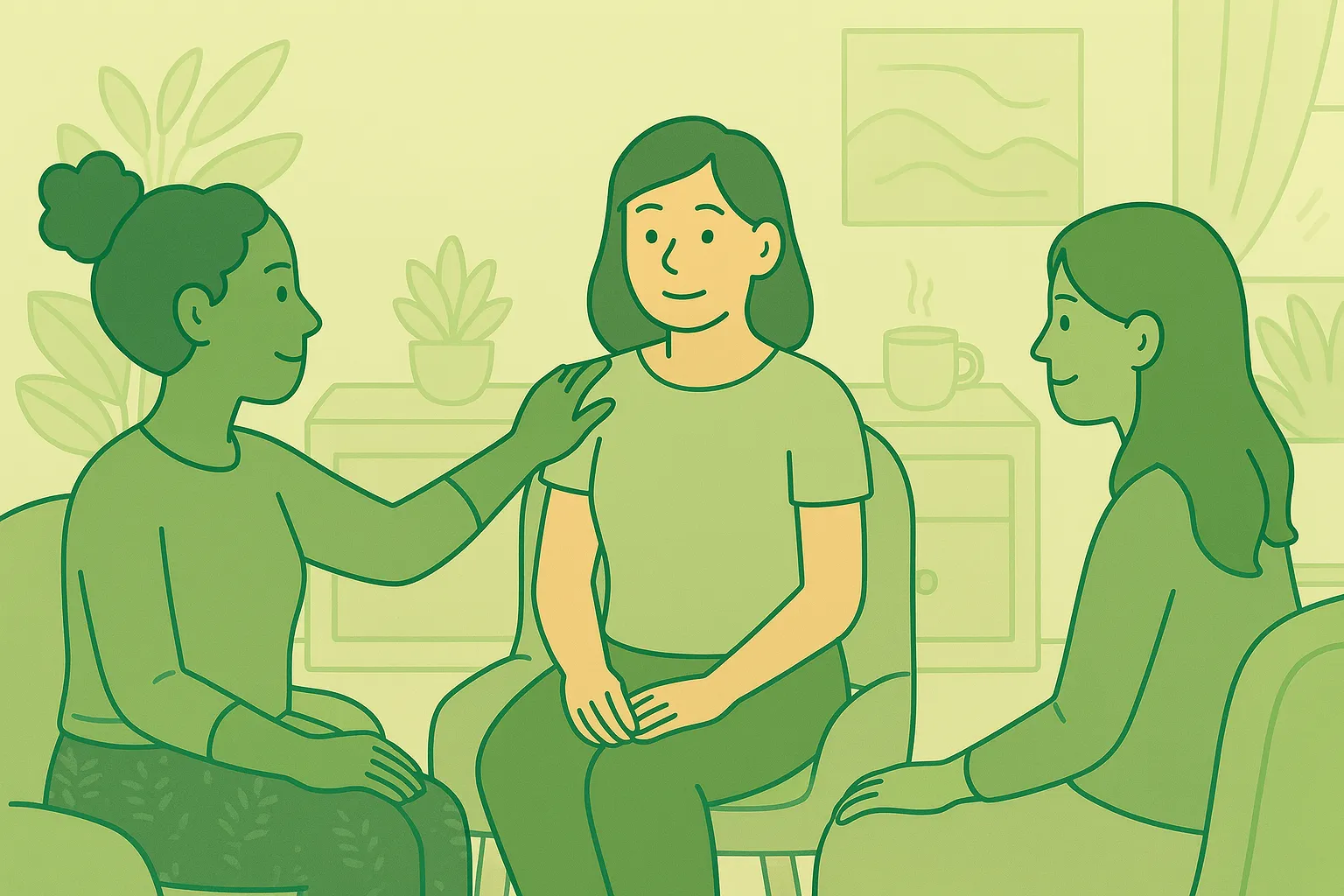
Struggling with addiction can feel like an uphill battle. Women only treatment programs offer a safe space to heal and reconnect with yourself. Gender specific care caters to women’s unique needs and common challenges. These programs provide a private and supportive environment that’s focused, comfortable, and free from triggers related to victimization.
Women can learn more about addiction and gender’s biological, social, psychological, and environmental impact. Gender specific treatment facilities are also ideal for connecting with other women. You can open up and learn how to form healthy relationships. Women can find a common ground to discuss specific challenges, like trauma, abuse, and motherhood.
What to Look For in a Women’s Treatment Center
Whether you need flexible care that allows you to balance other daily commitments or 24/7 support, several types of women’s addiction treatment programs are available. Gender-specific residential rehab provides a highly structured living environment to hone in on recovery. With outpatient programs, women can live at home while receiving the support they need.
Most women’s programs offer evidence-based approaches such as cognitive behavioral therapy (CBT) and motivational interviewing. Women’s facilities may also provide holistic therapies and specialized interventions using a trauma-informed and culturally sensitive approach.
When searching for a women’s program, considering your lifestyle and needs is a great place to start. If you have children, finding a program with an on-site daycare or family services might be beneficial. An addiction specialist or your primary care provider can also help in your search. Here are some questions you might want to consider to find the best fit for you:
- Does the program specialize in unique challenges, like trauma, co-occurring disorders, etc?
- Does the program offer family services?
- Is the staff experienced in treating women with addiction?
- Is the program flexible?
- What is the length of stay?
- What types of therapies does the facility offer?
- Will there be opportunities to connect with other women?
- What types of aftercare options are available?
- What payment options are available? (i.e., insurance, private pay, sliding scale fees)
Starting the road to recovery can seem daunting. But opportunities for unwavering support from professionals and peers are available. You’ll have a safe space to grow among women you can relate to. Women’s recovery programs can offer proven approaches, peer support, and ongoing care to help you achieve lasting recovery.