What Every Woman Should Know About Hair Loss
<p>Hair often defines our identity. For countless women, noticing more strands in the brush or a widening part line sparks immediate concern. This experience is deeply personal and surprisingly…
- Published
- Written by
- Women In Balance Team
- Reading time
- 3 minutes
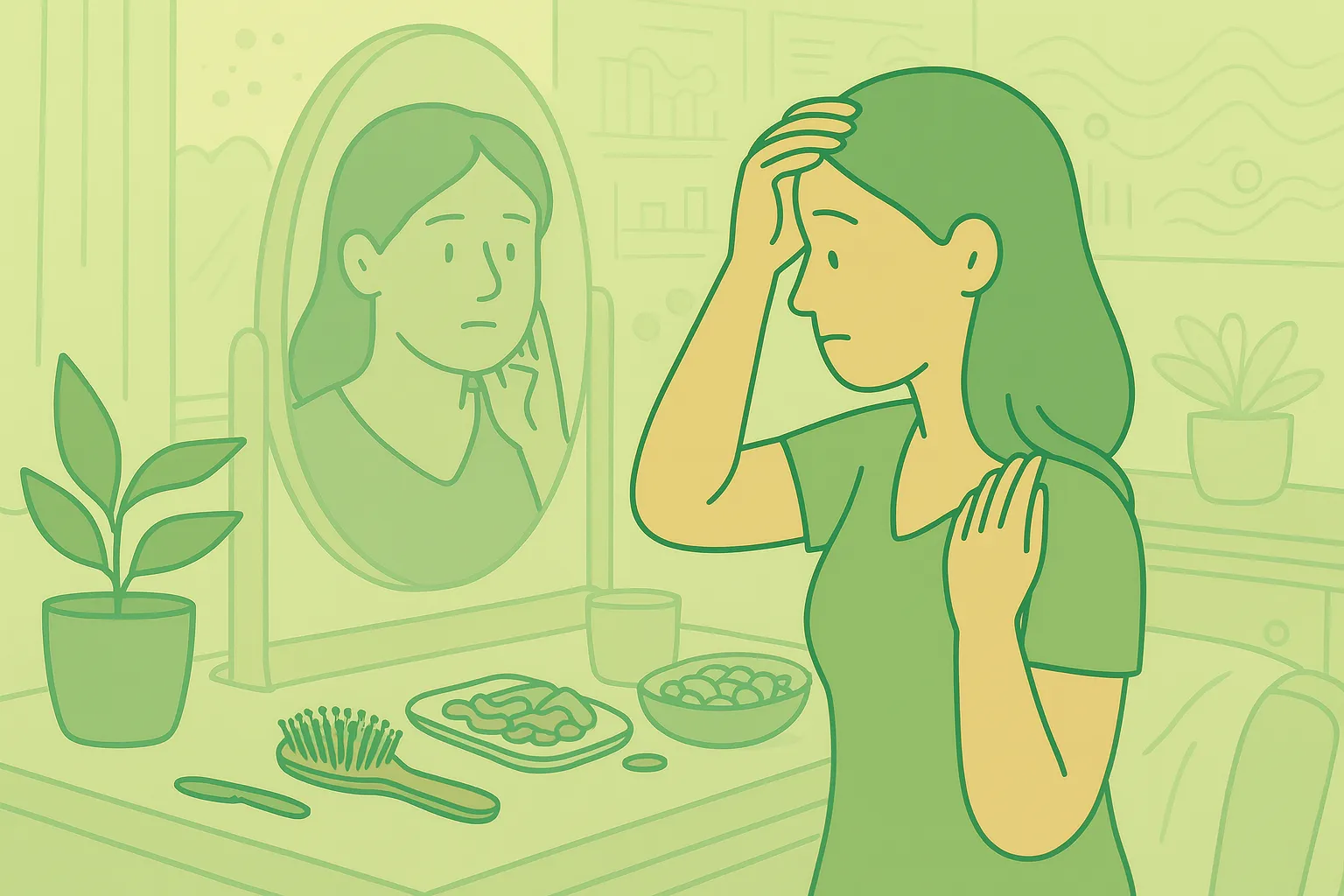
Hair often defines our identity. For countless women, noticing more strands in the brush or a widening part line sparks immediate concern. This experience is deeply personal and surprisingly common, yet its origins are frequently misunderstood. The journey to understanding this change requires looking beyond the scalp to the intricate dance of lifestyle, biology, and internal balance.
Beyond Genetics: The Modern World’s Impact
While hereditary pattern loss exists, many contemporary cases stem from external pressures. Our fast-paced existence creates a perfect storm for follicular stress. Constant connectivity, diminished sleep quality, and nutritional gaps from processed foods collectively undermine vitality. These elements don’t just affect mood or energy; they manifest physically, with the scalp becoming a clear indicator of internal discord. Recognising these non-genetic contributors is the essential first step toward meaningful action.
Navigating Potential Solutions
Upon identifying a problem, the search for effective hair loss treatments for women begins. This quest must be approached with careful consideration and professional guidance. The market offers a vast array of options, from topical applications and nutritional supplements to advanced clinical procedures. A dermatologist’s diagnosis is invaluable, as they can pinpoint the specific type of shedding, be it telogen effluvium, androgenetic alopecia, or another condition, and recommend a targeted path forward. Self-diagnosing often leads to wasted resources and delayed progress.
The Hormonal Symphony
Our endocrine system conducts a complex symphony, and even minor imbalances can create a cacophony of physical effects. Events like pregnancy, childbirth, or entering menopause introduce significant hormonal shifts that dramatically impact growth cycles. Thyroid disorders and changes in birth control medication also play pivotal roles. These fluctuations can prematurely push a higher percentage of follicles into the resting phase, leading to diffuse thinning across the entire scalp several months after the initial hormonal event.
Stress: The Silent Antagonist
Chronic stress operates as a stealthy adversary to wellness. It elevates cortisol levels, a hormone that, in sustained excess, can disrupt the normal follicular lifecycle. This physiological response diverts resources away from non-essential functions like hair production, prioritising critical organ systems instead. The resulting shedding typically becomes evident three to six months following a prolonged period of significant anxiety or emotional turmoil, making the connection sometimes difficult to trace.
Dietary Shortfalls and Physical Health
What we consume, or fail to, provides the fundamental building blocks for strong, resilient strands. Insufficient intake of key nutrients such as iron, vitamin D, B vitamins, and zinc can starve follicles of their essential requirements. Furthermore, underlying medical conditions, including autoimmune diseases like alopecia areata, scalp infections, or thyroid imbalances, are common physiological culprits. Specific prescription medications list increased shedding as a potential side effect, another factor warranting investigation.
When Does This Typically Occur?
Shedding can happen at any adult age, but particular life stages present heightened risk. Many women encounter a pronounced episode in their late teens to early twenties due to academic or social pressures and dietary changes. Another standard period arrives during the mid-thirties to forties, often triggered by the hormonal aftermath of childbirth or the gradual onset of perimenopause. Stress-related loss remains a constant threat across all decades, inextricably linked to personal and professional circumstances.
Listening to What Your Body Says
Viewing hair changes as a signal, not just a superficial flaw, is a paradigm shift toward holistic health. That thinning might be your body’s method of indicating a micronutrient deficiency, a thyroid issue, or unsustainable stress levels. Paying close attention to this message empowers you to seek appropriate help. Addressing the root cause, rather than merely the symptom, offers the most sustainable promise for recovery and renewed growth.
Embracing a Proactive Stance
A multifaceted approach yields the best results. Begin by consulting a healthcare professional to rule out any medical causes. Prioritise stress management through proven techniques like mindfulness, yoga, or regular physical activity. Scrutinise your diet for nutritional gaps, focusing on whole foods rich in protein and minerals. Handle your hair gently, avoiding excessive heat and tight styles. Patience is paramount because of the slow nature of the growth cycle; visible improvements can take several months. This journey is about nurturing your entire well-being, with healthier hair emerging as a natural consequence.