Stress Less At Home With Cleaner Daily Routines
<p>Is it true that a cleaner daily routine can lead to reduced stress at home? Many people believe that organizing their space and establishing consistent habits can create a more peaceful…
- Published
- Written by
- Women In Balance Team
- Reading time
- 7 minutes
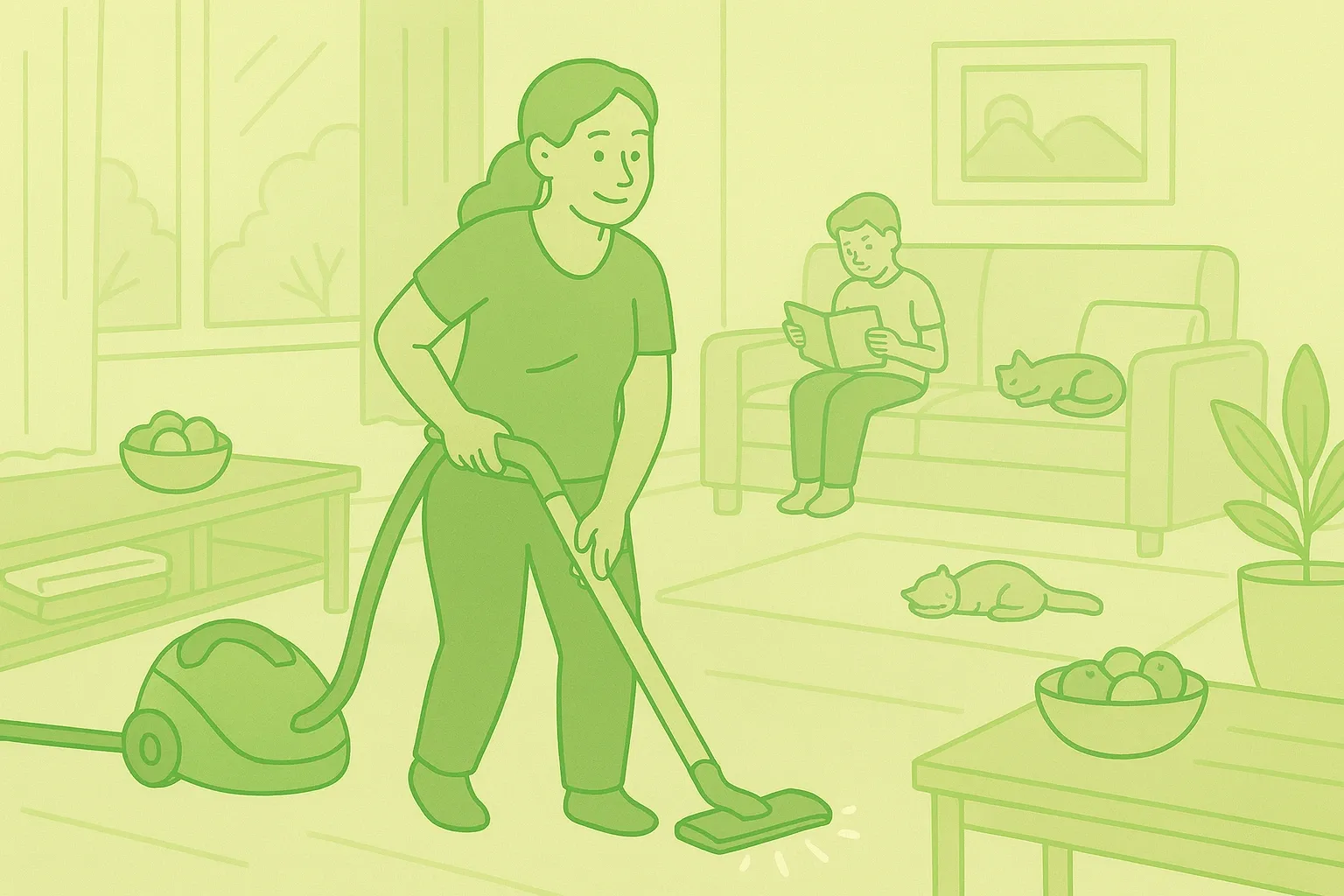
Is it true that a cleaner daily routine can lead to reduced stress at home? Many people believe that organizing their space and establishing consistent habits can create a more peaceful environment. You might find that by breaking down tasks and involving family members, or even exploring cleaning services in Kirkwood, you can foster a sense of collaboration and control. Yet, how exactly do these small changes translate into a significant reduction in your daily stress? The answer may lie in a few simple adjustments to your routine that could transform your living space into a haven of tranquility.
Assess Your Current Routine
Many people find it helpful to take a step back and evaluate their daily routines. You might be surprised at how much your habits contribute to your stress levels.
Start by tracking your daily activities for a week. Note what you do from the moment you wake up to when you go to bed. This exercise will reveal patterns and areas that might need adjustment.
Once you’ve gathered this information, identify the tasks that drain your energy or contribute to feelings of overwhelm. Are there activities you can delegate or eliminate? Consider whether you’re spending too much time on social media or multitasking instead of focusing on one task at a time.
Next, prioritize your tasks. Focus on the most important ones first and tackle them when you’re most productive. Maybe you work better in the morning, so save challenging tasks for that time.
Declutter Your Living Space
While a cluttered living space can quickly become overwhelming, tackling the mess can greatly reduce your stress levels. Start by breaking down the decluttering process into manageable steps.
Focus on one area at a time to avoid feeling swamped.
You’ll be surprised how much lighter and more peaceful your home feels when you create some space.
Here are some practical tips to get you started:
· Set a Timer: Dedicate just 15-30 minutes a day to declutter. You’ll be amazed at what you can accomplish in a short burst.
· Use the Four-Box Method: Label boxes as “Keep,” “Donate,” “Trash,” and “Relocate” to streamline your decision-making.
· Tackle High-Traffic Areas: Begin with spaces you use most, like the living room or kitchen, to see immediate results.
· Practice the One In, One Out Rule: For every new item you bring home, let go of an old one to keep clutter at bay.
· Involve the Family: Get everyone on board. Decluttering becomes easier and more fun when you work together.
Establish Daily Cleaning Habits
After decluttering your living space, establishing daily cleaning habits can help maintain that fresh, organized feel. Start small by setting a specific time each day for cleaning—this could be in the morning before work or right after dinner. Consistency is key, so find a time that fits your schedule.
One of the easiest ways to reduce stress at home is by creating spaces that feel bright, open, and comfortable. Natural light, good airflow, and organized rooms make cleaning and daily routines feel less overwhelming. If your windows are outdated or don’t let in enough light, exploring wide options for replacement windows in Edmonton can make your home feel fresher and more inviting. Even small changes, like decluttering counters or adding indoor plants, can make a big difference in how relaxed your home feels.
Begin with quick tasks that can be done in 10-15 minutes. For example, make your bed each morning, wipe down kitchen counters after meals, and tidy up common areas. These small actions can prevent mess from piling up and make your home feel more inviting.
Consider using a cleaning caddy stocked with your essential supplies—this way, you can easily grab what you need and tackle any spot that needs attention. If you have kids or family members at home, involve them in the process. Assigning simple tasks can make cleaning feel less overwhelming and more collaborative.
Lastly, remember to create a reward system for yourself. Celebrate your progress, whether it’s treating yourself to a favorite snack or enjoying a relaxing evening after a week of consistent cleaning. This positive reinforcement will help solidify these daily habits.
Create a Family Chore Schedule
Creating a family chore schedule can transform how you maintain your home and foster teamwork among family members.
When everyone pitches in, it not only lightens the load but also creates a sense of ownership and pride in your living space.
Here are some practical steps to get started:
· Involve Everyone: Sit down as a family and discuss chores. Let everyone have a say in what they’d prefer to do.
· Make It Visual: Use a chart or a calendar that everyone can see. This keeps chores top of mind and adds an element of accountability.
· Rotate Tasks: To avoid monotony, switch chores weekly or monthly. This way, no one gets stuck doing the same task all the time.
· Set a Routine: Designate specific days for each chore, such as “Laundry Wednesdays” or “Kitchen Cleanup Sundays”.
· Celebrate Achievements: Acknowledge everyone’s efforts, whether through a family treat or a simple thank you.
Prioritize Self-Care Activities
Prioritizing self-care activities is essential for maintaining balance and well-being in a busy household. You might be juggling multiple responsibilities, from work to family obligations, but carving out time for yourself can greatly reduce stress.
Start by identifying activities that recharge you, whether it’s reading a book, going for a walk, or practicing yoga.
Next, set realistic goals for incorporating these activities into your daily routine. Even 10 to 15 minutes can make a difference. Try to schedule these moments in your calendar just like any other important appointment. This commitment helps you treat self-care as a priority rather than an afterthought.
Additionally, consider involving your family in some self-care activities. This could mean family bike rides or cooking healthy meals together. Not only will this enhance your well-being, but it also fosters a supportive environment.
Designate Relaxation Zones
Designating relaxation zones in your home can transform your space into a sanctuary of calm.
These areas provide a dedicated spot for unwinding, allowing you to escape the chaos of daily life.
Here’s how to create your own relaxation zones:
· Choose a Quiet Corner: Pick a spot away from noise and distractions, perhaps by a window or in a cozy nook.
· Add Comfort: Include soft cushions or a plush blanket to make the space inviting.
· Incorporate Nature: Bring in plants or flowers to enhance the atmosphere and promote tranquility.
· Limit Electronics: Keep this space free from screens to encourage genuine relaxation and mindfulness.
· Personalize It: Add items that bring you joy, like a favorite book, scented candles, or artwork you love.
Implement Time Management Techniques
Once you’ve established your relaxation zones, it’s time to take control of your schedule to enhance your overall well-being. Implementing effective time management techniques can notably reduce stress and help you prioritize what truly matters.
Start by setting clear goals for each day. Break tasks into manageable chunks, ensuring you stay focused and motivated.
Next, use a planner or digital calendar to block out specific time slots for activities. This way, you can visually see your commitments and allocate time for both work and relaxation. Remember to include buffer periods between tasks to prevent feeling overwhelmed.
Consider the Pomodoro Technique, where you work for 25 minutes and then take a 5-minute break. This method helps maintain your concentration and keeps fatigue at bay.
Additionally, try to set deadlines for yourself, even for personal tasks or household chores. It creates a sense of urgency and helps you stay accountable.
Limit Distractions and Interruptions
In a world filled with constant notifications and endless distractions, creating a peaceful home environment requires intentional effort.
To truly focus and minimize interruptions, you need to take proactive steps. Here are some practical strategies to limit distractions at home:
· Set designated work hours: Establish specific times for work or tasks, and stick to them to create a routine.
· Create a distraction-free zone: Designate an area in your home where distractions are minimized, keeping it clutter-free and quiet.
· Turn off notifications: Silence your phone and other devices during focused work sessions to reduce the temptation to check for updates.
· Communicate boundaries: Let family members or housemates know your work hours to help them respect your focus time.
· Use background noise: Sometimes, a little white noise or instrumental music can help drown out distracting sounds around you.
Review and Adjust Regularly
Regularly reviewing and adjusting your home environment is essential for maintaining focus and minimizing stress. Over time, your needs and circumstances change, and adapting your space can make a significant difference in how you feel.
Start by evaluating your current routines and identifying areas that cause frustration or distraction. Are there cluttered spaces that need organizing? Is your workspace set up for maximum productivity?
Next, make a habit of checking in with your environment weekly or monthly. Set aside time to assess what’s working and what isn’t. Don’t hesitate to rearrange furniture, declutter items that no longer serve you, or even change your daily schedule to better align with your lifestyle.
Incorporate feedback from family members or housemates, too. Collaborating on adjustments can foster a sense of shared responsibility and improve everyone’s experience at home.
Conclusion
By adopting a cleaner daily routine, you can transform your home into a stress-free sanctuary. Imagine Sarah, a busy mom who felt overwhelmed by clutter and chaos. After implementing a simple chore schedule and dedicating time for self-care, she noticed a significant drop in her stress levels. Embrace these strategies today, and you too can create a harmonious living space that fosters relaxation and clarity. Remember, a little organization can go a long way in enhancing your well-being!