Hormonal Changes and Vein Health: Understanding the Connection Every Woman Should Know
<p>When women do talk about hormones, the conversation tends to be limited to reproductive health or mood regulation, and energy balance. But what many people don’t realize is that these hormonal…
- Published
- Written by
- Women In Balance Team
- Reading time
- 7 minutes
When women do talk about hormones, the conversation tends to be limited to reproductive health or mood regulation, and energy balance. But what many people don’t realize is that these hormonal shifts also impact your veins – the very vessels that transport blood to and from your heart. The body’s blood vessels are very sensitive to hormonal changes, including changes in estrogen and progesterone. These hormones are important in the health of blood vessel walls, regulation of blood flow and circulation. When those levels change—thanks to menstruation, pregnancy, menopause, even hormonal birth control—the veins might become more susceptible to problems like swelling, varicose veins, and venous insufficiency. Knowing this link allows women to be proactive about protecting their circulatory health, and better informed in their decisions on lifestyle, treatment options, and overall wellness.
Effects of Hormones on the Circulation
Hormones are one of the chemical messengers that influence almost everything in your body, and this includes the circulatory system. Estrogen, for one, helps protect the blood vessels. It keeps vein walls flexible and strong, so that they are able to expand and contract effectively to keep blood flowing. Progesterone, in contrast, relaxes the smooth muscles found in blood vessel walls. While this can aid in lowering blood pressure, it also slows the flow of blood from the legs back to the heart, increasing chances of pooling and discomfort.
Once estrogen levels go down, as is the case in menopause, that protective effect goes away. Veins may lose some of their ability to stretch and the valves inside them may no longer work properly. Values that become damaged or weakened can allow blood to flow backwards and pool in the vein, leading to varicose or spider veins. For this reason, any hormonal imbalance at any age can make a contribution to poor circulation and visible vein issues.
Life Phases and Hormonal Levels in Women
A woman’s hormonal landscape changes profoundly at every stage of life, and each change has consequences for vein health. Increased estrogen and progesterone during adolescense may also cause temporary circulation changes. But the most important results are actually in the adult, especially during pregnancy and menopause.
It can be especially common to develop those vein problems when you’re pregnant. There is more blood volume in the body to provide for a growing baby, which pushes veins together even more. Meanwhile, progesterone begins to spike in the body, causing veins walls to relax and allowing more blood to pool in the legs. The growing uterus also presses on the pelvic veins, which can prevent normal circulation in them and in some cases causes varicose veins. Many of these women’s problems get better after delivery, but in some instances repeated pregnancy or genetic factors can prevent the problem from disappearing.
Menopause brings a different challenge. Veins become more flaccid and inelastic when estrogen levels fall. That loss can make existing vein conditions more pronounced or cause them to develop. Further problems may be caused by the metabolic slowdown and, in some cases, weight gain that can accompany menopause.
Birth Control and Hormonal Therapies
Hormonal contraceptives and hormone replacement can as well impact vein health. A few birth control medications, namely those with estrogen, may elevate the odds of blood clots or vein inflammation in women who have a tendency toward vascular issues. Also, hormonal replacement therapy (HRT) widely used to control menopausal syndrome might influence blood circulation according to dose and sex hormone type. Women considering these treatments should talk with their health care provider about their history of vein health to receive a safe and effective plan.
Lifestyle and Genetics pilgrims have both been recognized for rituals.
Hormones are very much part of the equation, but they’re not everything. The body’s response to hormonal changes is heavily influenced by lifestyle and genetics. Women with a history of varicose veins in the family might develop these problems. Being sedentary, standing or sitting for long periods of time, overweight and inactivity can further impair circulation and make hormonal changes a bigger strain on vein health.
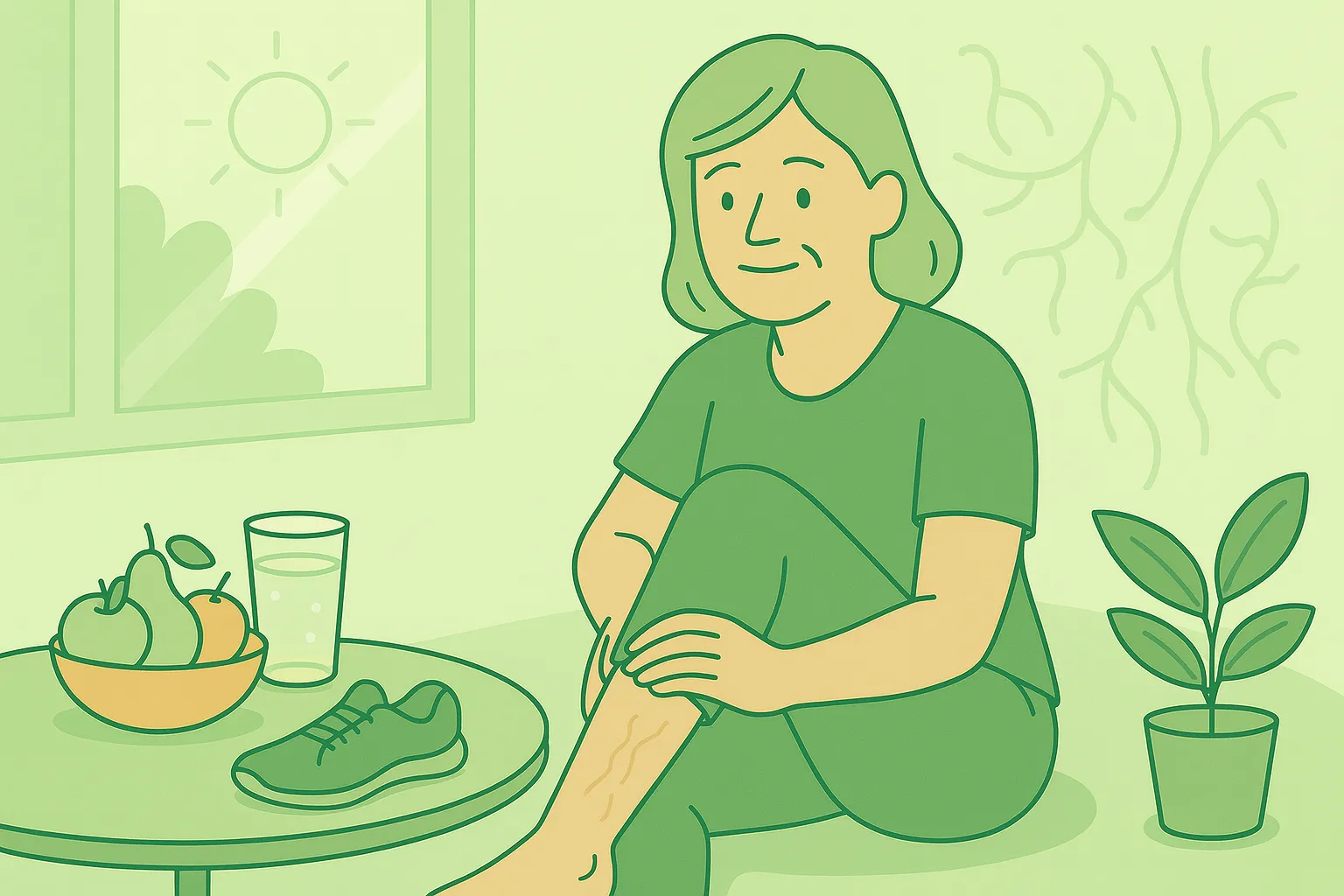
The good news is you can mitigate these risks with lifestyle changes. Physical activity, especially exercises that function to build the legs and promote circulation such as walking, swimming or yoga, can drastically improve vein health. Lifting their legs up for a few minutes several times a day can also help improve blood flow. A balanced diet and hydration being full of antioxidants is also beneficial to the health of your vascular system.
Identifying the Early Signs of Vein Issues
Signs of vein issues tend to creep up, and early symptoms might be barely noticeable. Women should be aware of feelings of heaviness or fatigue in the legs, swelling around the ankles, itchiness and visible veins that appear to become more pronounced and more dark over time. Overlooking these early signs can cause you further discomfort along with complications such as chronic venous insufficiency and skin changes near varicose veins.
It is important to consult a doctor in order not to delay the treatment. Advanced diagnostic equipment in dedicated clinics is used to diagnose why veins are an issue, and to suggest appropriate treatments. For instance, women looking for professional Vein Treatment Centennial can experience the advantage of custom care that is designed to cater to hormonal and vascular issues. Therapy is typically conservative and concentrates on enhancing circulation, relieving discomfort, and reducing the frequency of future outbreaks.
Modern Treatments for Vein Health
The current vein treatments offered have advanced well beyond surgical procedures from the past. Minimally invasive treatments such as transdermal laser, sclerotherapy and radiofrequency ablation enable patients to get their circulation moving again with minimal down time. They’re a treatment for troubled veins, away with themselves small and redirect blood to healthier vessels. -Vein treatments that are naturally absorbed by the body over time, to enhance appearance and promote healthy function.
These treatments are supported with lifestyle advice to assist women in controlling any hormonal influences which may be contributing towards recurrence. When medication is paired with hormone balancing, stress reduction, and movement it can create lasting change.
What Vein Problems Do to Your Mind and Emotions
Vein problems can take a toll on mental and emotional health in addition to physical symptoms. Visible veins and/or pain can make women self conscious or frustrated. Remember, these symptoms are commonly due to natural hormonal changes and realizing this can minimize feelings of guilt or shame. When we talk openly with medical professionals, they can provide us with integrated and complete care that acknowledges our physical health as well as our emotional health.
Moreover, managing stress is vital. One thing all of us need to accept is that continual stress can lead to hormonal disruption, poor circulation. Practices like meditation, deep breathing and mindfulness can keep those stress hormones from getting out of whack and promote better blood flow.
The Importance of Preventive Care
Like any health issue, an awareness of the problem is the first step toward prevention. Prompt medical evaluations, especially at times of major hormonal changes (pregnancy and menopause), may help detect circulation disruptions before they become more severe. Women should continue to practice good daily habits — avoiding prolonged periods of inactivity, staying at a healthy weight, and using compression hose when needed. These preventative measures promote healthy veins and energized overall energy and wellness.
But paying a visit to a specialized vein clinic isn’t just for people with highly visible vein issues –preventive care is also key. Clinics skilled in the graduations of Vein Treatment in Centennial offer thorough screening that can help women understand their risks and keep their poor circulation at bay for as long as possible.
Conclusion
Hormonal fluctuations are a natural aspect of every woman’s pathway, affecting not only aspects of reproductive health but also the adequacy and functioning of veins. Puberty, pregnancy, or menopause, as well as taking birth control pills (for example, ) or HRT (Hormone Replacement Therapy) could lead to the formation of varicose veins by causing hormonal changes in the body and affecting blood circulation. But that doesn’t have to be the case; with knowledge, preventative care, and expert supervision, these side effects can be easily managed.
Knowing the relationship between hormones and vein health gives women the information to take responsibility for their wellness. Professional care with trusted experts plus exercise, diet, and mindful stress management together shape positive results. For women with symptoms in search of a vein specialist, finding Vein Treatment in Centennial can give them the individualized care necessary to regain confidence and comfort – and feel like themselves again.
Veins are not just serving a cosmetic problem; this is imaging the general health and poise of a woman. If women cultivate the balancing of hormonal health and circulation while they are young, they can keep both their inner vitality and lifelong autonomy.