Women and Circulation: Understanding How Hormones Affect Vein Health
<p>When we talk about women’s health, the discourse often centers around subjects such as reproductive wellness, mental health or bone density. But, a part that deserves equal focus is vein health…
- Published
- Written by
- Women In Balance Team
- Reading time
- 6 minutes
When we talk about women’s health, the discourse often centers around subjects such as reproductive wellness, mental health or bone density. But, a part that deserves equal focus is vein health, one of the most important aspects of overall circulation and well-being. Veins are essential for getting blood back to the heart and ensuring every part of your body is receiving a sufficient supply of oxygen and nutrients. But what women likely don’t know is that the hormonal cycles, pregnancy and even menopause could have a big impact on their veins. Studying the relationship between hormones and circulation is not only important to maintaining healthy blood vessels, but also preventing common venous conditions such as varicose veins, spider veins, and chronic venous insufficiency.
Hormones and How They Affect Your Veins
Hormones are the chemical messengers through which the body’s various systems “talk” to each other including the circulatory system. The sex steroid hormones estrogen and progesterone, both major female hormones, affect the tone and elasticity of blood vessels. Estrogen is vasodilatory, meaning it helps your blood vessels relax and expand, so that you get more blood flowing through them. Progesterone, meanwhile, can cause the walls of veins to relax and become more susceptible to stretching. This works well when you’re pregnant because it provides the extra blood volume needed to cozy up to mother nature and grow that baby of yours; however, these hemodynamics can also render veins a little weaker and prone to pooling which in turn will then cause visible vein problems (and swelling) during pregnancy. These hormonal effects, compounded with lifestyle variables and genetics can help set the stage for venous quirks to appear.
Veins and Hormones in Your Body AND Throughout the Years
A woman’s hormones are changing all the time from puberty until menopause. At puberty, the adolescent reproductive axis is activated and a transient increase in estrogen occurs which may result in increased vascular permeability leading to early vascular changes. Veins and Pregnancy As women move into their reproductive years, pregnancy marks a significant crossroads when it comes to vein health. The body naturally releases more progesterone during pregnancy which has the effect of relaxing the walls of veins, and as the uterus grows it puts increased pressure on pelvic veins. This deadly combo can often lead to the development of varicose veins in legs.
These veins may improve after child birth but for some; it can become a permanent dissatisfaction. The occurrence of vein disorders is more likely after each pregnancy. Additionally, menopause brings another change – estrogen production decreases which causes veins to be less elastic. So older women are more susceptible to vein dilation, weakened valves and poor circulation. That’s not by accident: It’s no coincidence that many women start to see spider veins or experience leg swelling in the years around menopause. These changes underscore the interconnectedness of hormonal balance and vascular function in a woman throughout her life.
Lifestyle and Genetics in Relation to Vein Health
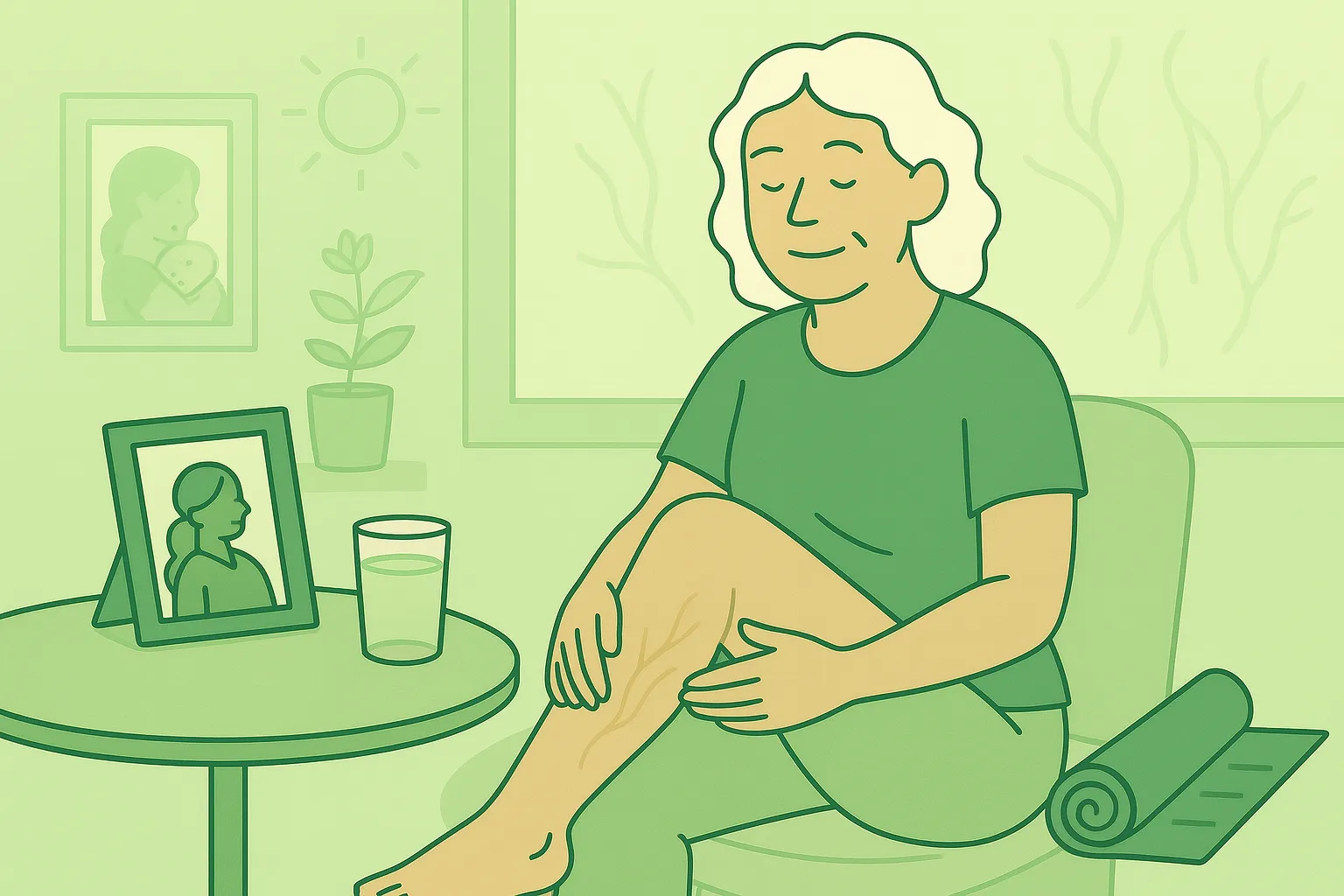
Hormones help set the stage for a woman’s veins (as do genetics and lifestyle habits), all of which can make your work far from perfect. If your mother or grandmother suffered from varicose veins, you are more likely to get them as well. Sedentary lifestyle, long-standing hours, obesity, and bad nutrition can also aggravate circulation. It can even happen after long periods of crossing your legs or wearing high heels every day, restricting blood flow and elevating vein pressure. That’s why it is so important to be proactive, especially for women with hormonal changes or who have a family history of vein issues.
Keeping a healthy lifestyle is one of the best ways to support good circulation. Other ways to keep blood moving efficiently from the legs up to the heart include regular exercise like walking or swimming. Hydration is also critical to stabilizing blood viscosity, and a healthy diet full of antioxidants and vitamins fortifies veins. Next, in addition to lifestyle change, consider whether there are hormonal imbalances present: from a woman’s oral contraceptive pill (OCP), thyroid pathology or menopause, they can have pervasive effects on long-term vascular integrity.
When to Seek Professional Help
Symptoms of vein disease are easy to miss, especially if they’re mild in the beginning. But this does not mean you can ignore warning signs such as ongoing leg swelling, heaviness or visible veins, or a feeling of tiredness in the legs. Such symptoms could be signs of chronic venous insufficiency – a problem where the blood does not flow properly but rather pools in the veins. Early treatment is crucial to avoid complications such as ulcers, skin discoloration, or deep vein thrombosis.
Women with vein symptoms should see a specialist to receive the correct diagnosis, along with an individualized treatment plan. Vein health-specialized clinics such as the Vein Clinic in Katy provide state of the art diagnostics and treatment that may improve both function and appearance. Offices Offer a Number of Nonsurgical Treatments An increasing number of these facilities offer minimally invasive interventions such as endovenous laser therapy, sclerotherapy and radiofrequency ablation. These treatments are very successful with minimal downtime, they work to promote circulation and correct the problem of venous disease.
Preventive Care and Patient Education Value
Venous education should be no different than discussion of heart health or reproductive health. Knowing that hormone levels have influence on the veins gives women an opportunity to take preventative action sooner. For instance, pregnant or pre-hormonal treatment women can take the initiative to schedule visits with a vascular specialist to track their vein health. “At the same time, women going through menopause can adopt circulation-stimulating habits to counteract the hormonal effects.
Preventive care also involves regular visits with providers who can evaluate risk factors and symptoms of early venous insufficiency. Even for women on the go, those who spend too many hours sitting at a desk and even ladies that must stand all day at work can benefit from getting off of your feet and lifting your legs if only for five short minutes. Even small tweaks in lifestyle, from wearing compression stockings to putting on comfortable shoes can alleviate vein pressure and boost your healing potential.
Balancing Hormones for Vascular Health
It is important to have healthy hormones, not just because it can help symptoms of mood swings and fatigue, but hormonal health also supports proper circulation for the entire body. Because estrogen and progesterone both have an effect on blood vessels, in healthy hormonal states the veins maintain themselves the way they should. A comprehensive approach including hormonal health, nutrition and vein health can have long-lasting results.
Utilizing stress reduction methods such as yoga and even meditation can contribute to hormonal balance, given that long-term stress commonly disrupts the endocrine system. Women who work both on hormonal and circulatory support at once have more energy, less swelling to name only the most obvious symptoms of well-being.
Centering Women Through Knowledge and Action
Women’s health in general is multifaceted, and research about the impacts of hormones on vein health will contribute to a comprehensive approach to well-being. It isn’t just a matter of appearance; healthy veins are crucial in keeping you mobile, comfortable, and energetic at every stage of life. With an eye on circulatory imbalance and expert care, women can keep both health and confidence for years to come.
New methods for treatment of vein disorders Today, new treatment options that can effectively deal with these problems are available. With specialized care from experts and preventive medicine based on education, women can get a grip on their vascular health and keep blood moving the way it’s meant to through life’s changes.
Ultimately, vein health is not only a matter of medicine; it’s how well the body can change in response to hormones and lifestyle. Women can, through the understanding and nurturing of this link, continue living an active life as they age without compromise and revel in the freedom that healthy, strong circulation provides.