Simple Health Tips for Women at Every Life Stage
<p>Women’s health often feels tied to long lists of rules, but in reality, it comes down to choices that can be kept simple and steady. Eating in a way that feels natural, staying hydrated, paying…
- Published
- Written by
- Women In Balance Team
- Reading time
- 5 minutes
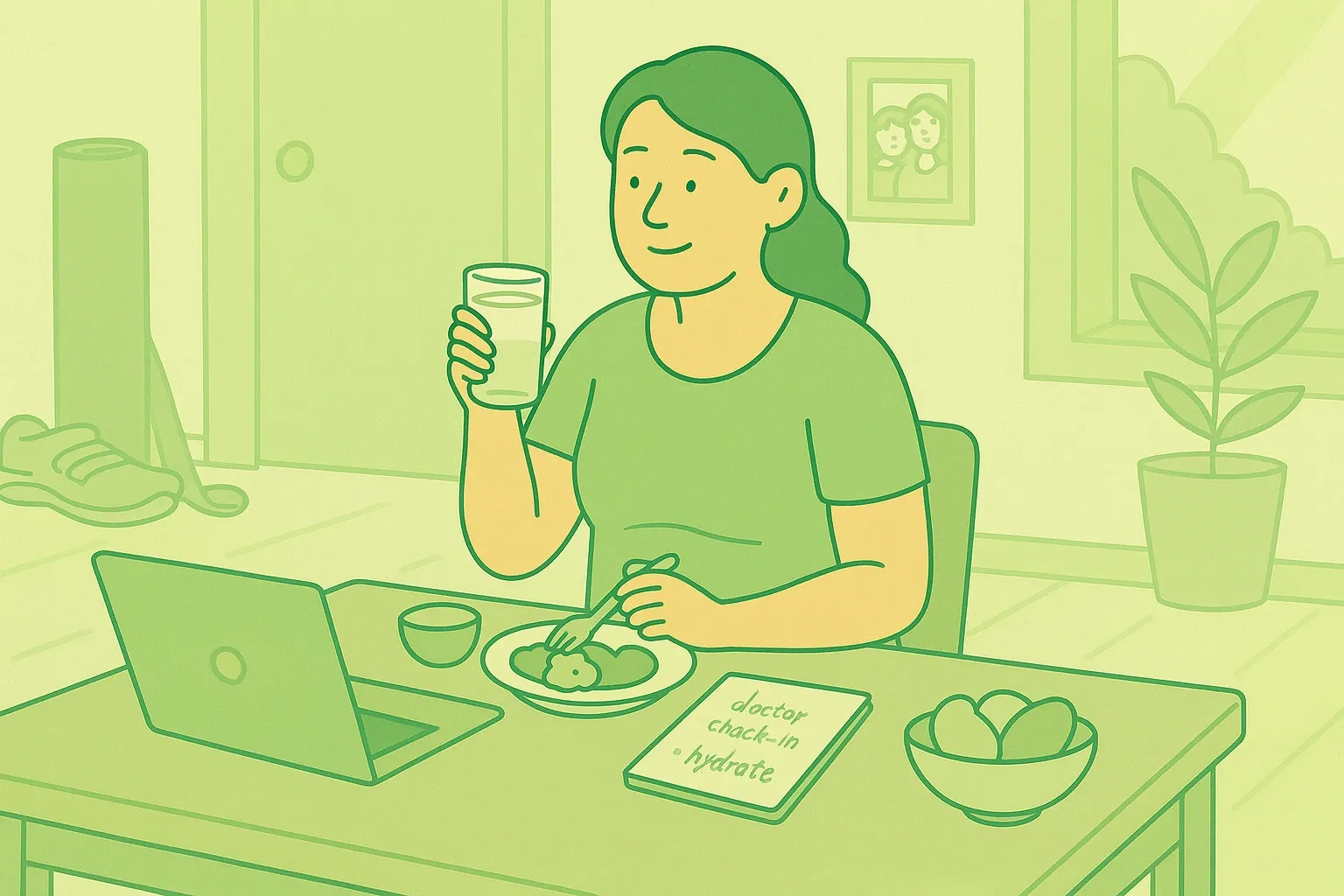
Women’s health often feels tied to long lists of rules, but in reality, it comes down to choices that can be kept simple and steady. Eating in a way that feels natural, staying hydrated, paying attention to posture, and checking in with providers are habits that fit into everyday life without becoming overwhelming.
Health is not separate from daily living, as it shapes how routines flow, how responsibilities are handled, and how moments with family or friends feel.
Routine Check-Ins
Healthcare visits often get pushed aside, but scheduling them regularly keeps women connected to their overall well-being. They provide a chance to ask questions, track progress, and understand how current habits are aligning with long-term needs. Treating them as part of the calendar, like meetings or appointments, removes the tendency to delay them indefinitely.
What makes these visits valuable is the opportunity for clear communication. Writing down questions ahead of time or summarizing what was said helps the information stick.
Eating Simply
Meals set the tone for the day. Choosing food that is easy to prepare and built from ingredients that feel familiar often creates a consistent pattern. Cooking at home, planning a few go-to meals, or keeping portions balanced all help keep eating habits grounded in manageable routines. Simplicity in food brings steadiness, and that steadiness carries over into the rest of the day. Supportive products can fit into this approach as well. Options from USANA Health Sciences, such as Whey Protein Isolate, are examples of how women can complement regular meals without changing their entire routine. They can be used alongside normal eating patterns, offering a convenient choice when life is busy.
Posture and Alignment
How a woman holds herself throughout the day affects comfort more than she might realize. Sitting at a desk, standing for long periods, or even carrying bags all put pressure on the body. Adjusting how a chair is set up, staying mindful of how the shoulders rest, or shifting positions during the day can make daily routines feel more comfortable.
A quick stretch at lunch, arranging a workspace to avoid leaning forward, or choosing supportive shoes can help posture feel more natural.
Hydration
Water intake shapes how the body feels throughout the day. Keeping a glass nearby, drinking before meals, or making water the default choice when thirsty are practical ways to stay consistent. Some women prefer starting the morning with water, while others carry a bottle to sip from during work or errands. Different approaches work for different lifestyles, but consistency matters.
Hydration also doesn’t need to be measured in rigid ways. It’s less about counting exact amounts and more about listening to the body.
Bone Strength
Attention to bone health matters throughout life, not just later on. Choices like including calcium-rich foods, adding movement that supports bone density, and spending time outdoors are all worth consideration.
Weight-bearing activities such as walking or light resistance training can be woven into daily life without much disruption. Pairing such activities with a mindful approach to diet helps create a routine that supports bone strength.
Self-Care Habits
Self-care does not have to mean long routines or elaborate practices. Setting aside time for reading, skincare, or simply enjoying quiet moments, for instance, contributes to a sense of steadiness. What matters most is creating habits that fit comfortably into a busy schedule.
Realistic self-care routines are easy to maintain because they don’t feel forced. Women who pick practices that genuinely work for them, rather than copying what others do, are likely to stay consistent.
Digital Time
Managing how much time is spent scrolling, streaming, or working online can make daily life feel less cluttered. Setting boundaries, like choosing a cutoff time in the evening or scheduling device-free periods, helps create space for other activities. When digital time is balanced with offline moments, women often find more room for rest, hobbies, and face-to-face connections. A mindful approach to technology allows for a health-friendly relationship with devices without needing to give them up entirely.
Relaxation Practices
Relaxation helps keep routines balanced. It might be as simple as spending ten minutes outdoors, practicing light breathing exercises, or enjoying a quiet activity before bed. The purpose is to find ways to slow down and create calm in the midst of busy days.
Women benefit from experimenting with different forms of relaxation to see what feels natural. Some may prefer yoga, while others might lean toward music or journaling. Whatever the choice, relaxation practices add grounding to daily routines and provide a steady counterpoint to the demands of everyday life.
Reproductive Health
Awareness of reproductive health plays a role at every life stage. From adolescence to midlife and beyond, understanding the body and keeping up with check-ins supports confidence in decision-making. Knowing what to expect at each stage helps women feel prepared and informed.
Routine visits and open conversations with healthcare providers make this process smooth. Having access to reliable information allows women to make choices that align with their current needs.
Adapting Routines
Health needs are not fixed; they shift as life circumstances change. Adapting routines allows women to match their habits with what feels right in the present moment. This could mean adjusting exercise after childbirth, changing meal patterns during a busy work season, or slowing down routines during later years.
Flexibility creates sustainability. When routines are adaptable, women are less likely to feel locked into habits that no longer serve them.
Clothing and Footwear
Comfort in clothing and footwear supports daily activity in ways that are often overlooked. Shoes that provide proper support or clothing that allows freedom of movement make routines smoother. Choosing pieces that balance function and style can add both confidence and ease to the day.
Likewise, selecting footwear designed for walking or opting for breathable fabrics during warm seasons reduces unnecessary strain. Practical choices in this area encourage women to move through their routines with comfort and confidence.
Choosing pieces that balance function and style such as West Peak work pants can add both confidence and ease to the day
Health Knowledge
Health information changes over time, which is why staying updated matters. Reading from trusted sources, asking questions during appointments, and paying attention to new recommendations keep women informed. Awareness helps with making daily choices that align with current knowledge.
Keeping health knowledge current does not require constant research. Checking in periodically and focusing on information that applies to personal circumstances is often enough.
Simple health habits allow women to experience daily life enjoyably. From eating in a way that feels natural to staying hydrated, maintaining posture, and scheduling regular check-ins, these practices shape the flow of everyday routines. Adding awareness around bone health, self-care, digital balance, and reproductive health further supports this.