The Rise of Compassionate Care: Why Mental Health Nurses Are Essential
<p>Modern healthcare is changing, and nowhere is that transformation more visible than in the growing demand for mental health care. Anxiety, depression, burnout, and emotional fatigue have become…
- Published
- Written by
- Women In Balance Team
- Reading time
- 5 minutes
Modern healthcare is changing, and nowhere is that transformation more visible than in the growing demand for mental health care. Anxiety, depression, burnout, and emotional fatigue have become part of the public conversation, and more people are seeking help than ever before. At the heart of this movement are the professionals who bring both expertise and empathy to their work: mental health nurses.
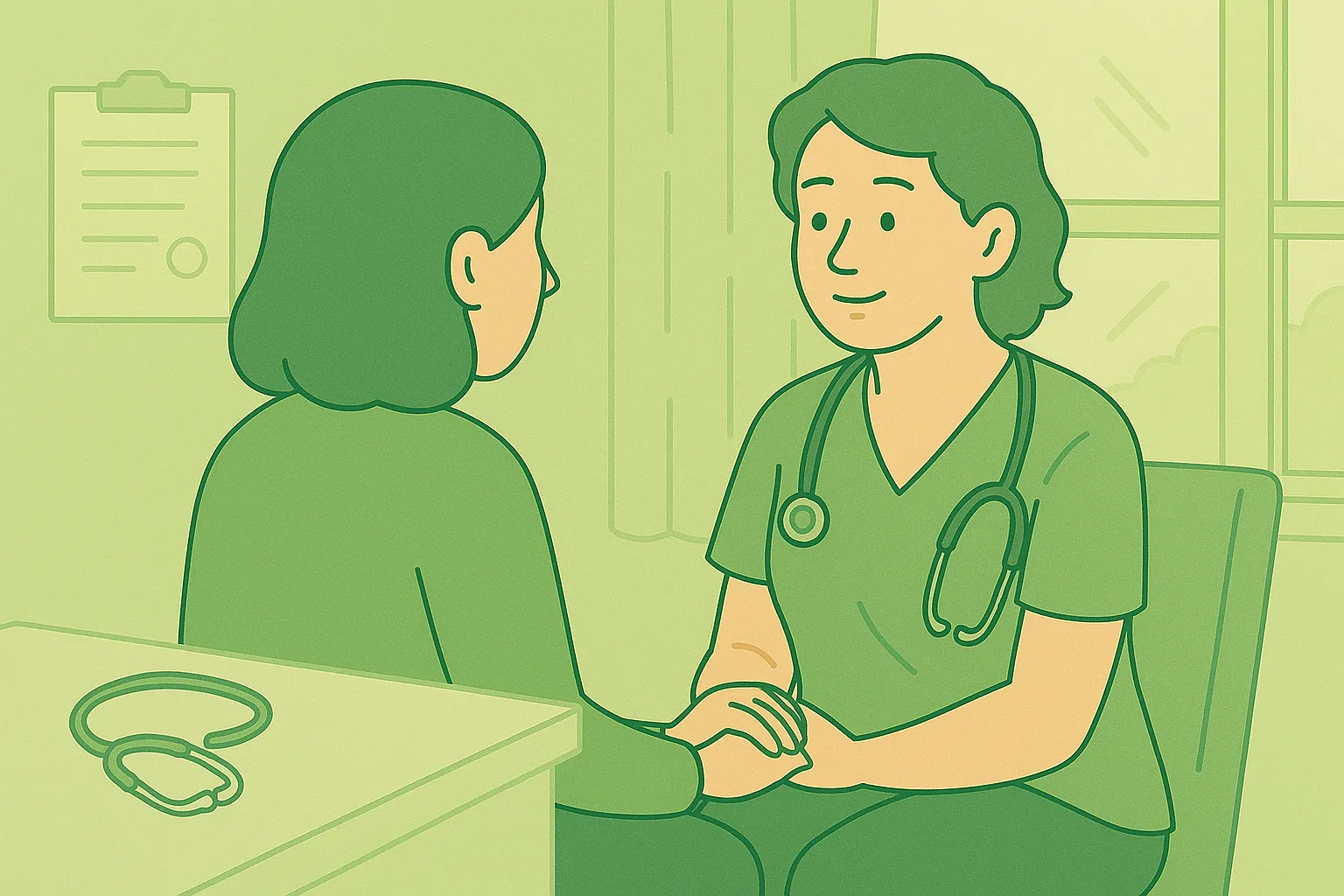
These nurses do more than manage medications or monitor symptoms. They listen, comfort, and create trust in spaces where patients often feel most vulnerable. In a world that sometimes moves too quickly for compassion, mental health nurses remind us that care is not just about treatment but about human connection.
The Growing Need for Mental Health Support
Over the last decade, global awareness of mental health has increased dramatically. Yet the need for qualified professionals continues to outpace availability. Many communities face long wait times for therapy or psychiatric care, leaving nurses to fill critical gaps in the system.
Mental health nurses often become the first point of contact for patients experiencing emotional distress. They offer crisis intervention, evaluate symptoms, and coordinate ongoing treatment plans. Their presence brings stability and continuity to care, especially in hospitals, clinics, and community health programs where mental health resources are stretched thin.
In many cases, patients find it easier to open up to nurses than to other medical professionals. Their ability to blend clinical skill with compassion makes them indispensable to the healing process.
The Power of Compassionate Care
Compassion is more than kindness. It is the ability to see and understand another person’s pain while helping them navigate toward healing. In mental health care, compassion forms the bridge between clinical treatment and emotional recovery.
Nurses bring this quality to every interaction. They read the subtle cues in body language and tone. They notice when a patient’s silence hides fear or when a small improvement deserves encouragement. Through patience and empathy, they create safe environments where recovery feels possible.
Research consistently shows that patients who feel genuinely heard are more likely to follow treatment plans and experience better outcomes. This is where mental health nurses excel. Their care goes beyond protocols. It is personal, human, and grounded in understanding.
The Expanding Role of Mental Health Nurses
Today’s mental health nurses are taking on broader responsibilities than ever before. They serve in psychiatric hospitals, primary care settings, schools, and even virtual health platforms. Their training allows them to bridge the gap between medical and emotional care, managing both the biological and psychological aspects of mental health conditions.
Advanced practice nurses, such as psychiatric mental health nurse practitioners, are qualified to diagnose disorders, prescribe medication, and provide psychotherapy. Many professionals pursue specialized training through online mental health nurse practitioner programs to expand their skills while maintaining flexibility in their current roles.
Their growing role reflects a shift in how society views mental health, now recognized as essential to overall well-being rather than a secondary concern. These programs equip nurses with the advanced knowledge needed to meet the rising demand for mental health care in a variety of clinical and community settings.
What Sets Mental Health Nursing Apart
Unlike many medical fields that focus on diagnosing and curing, mental health nursing revolves around partnership and process. Patients are guided, supported, and empowered to take part in their own recovery.
What makes these professionals unique is their ability to hold both clinical knowledge and emotional intelligence in balance. They combine science with empathy, structure with flexibility, and authority with compassion. It is this blend that allows them to make lasting impacts in the lives of those they serve.
Key traits that define exceptional mental health nurses include:
● Empathy: The capacity to connect with patients beyond symptoms and diagnoses,
● Patience: The understanding that healing takes time and progress is not always linear,
● Communication: The skill to listen actively and respond without judgment,
● Resilience: The strength to maintain calm and compassion in emotionally charged situations.
These qualities, while often undervalued in a data-driven system, are the foundation of successful care.
Supporting the Caregivers
While mental health nurses focus on caring for others, they also confront their own challenges. Heavy caseloads, emotional strain, and repeated exposure to trauma can significantly impact their well-being. Institutions that invest in wellness programs, peer support, and balanced workloads are recognizing that caring for caregivers is essential to sustainable health care.
Encouraging nurses to practice mindfulness, seek counseling, or take restorative breaks not only benefits them but also enhances the quality of care they deliver. The most effective nurses are those who feel supported, valued, and empowered to show up as their best selves.
The Future of Compassionate Care
The future of mental health care depends on continuing to build a system rooted in compassion and accessibility. As technology advances, nurses are finding new ways to connect with patients through telehealth and digital counseling platforms. These innovations make care more inclusive, particularly for those who live in remote or underserved areas.
Education will continue to play a crucial role. As more nurses pursue advanced degrees and specialized training, the profession will gain even greater capacity to meet growing demand. The integration of emotional intelligence with medical expertise ensures that the core of nursing, human connection, remains strong even as the field evolves.
Why Mental Health Nurses Matter Now More Than Ever
In a time when stress and uncertainty seem constant, mental health nurses stand as anchors of compassion and stability. They remind us that healing begins with understanding and that true care requires presence, patience, and heart.
Their work is not always easy, but it is profoundly meaningful. Each conversation, each act of empathy, contributes to a larger shift in how we approach mental well-being. In many ways, they embody the essence of modern health care, combining science with humanity to help others find balance and hope. The rise of compassionate care is more than a trend. It is a return to what health care has always been at its best: one human being helping another heal.