Beauty Rituals that Support Hormonal Skin Transitions: Integrating Face Zones and Whole-Body Wellness
<p>Hormonal changes—whether from stress, lifestyle shifts, monthly cycles, pregnancy, or the stages of perimenopause—often reveal themselves through changes on our skin. You might notice breakouts in…
- Published
- Written by
- Women In Balance Team
- Reading time
- 4 minutes
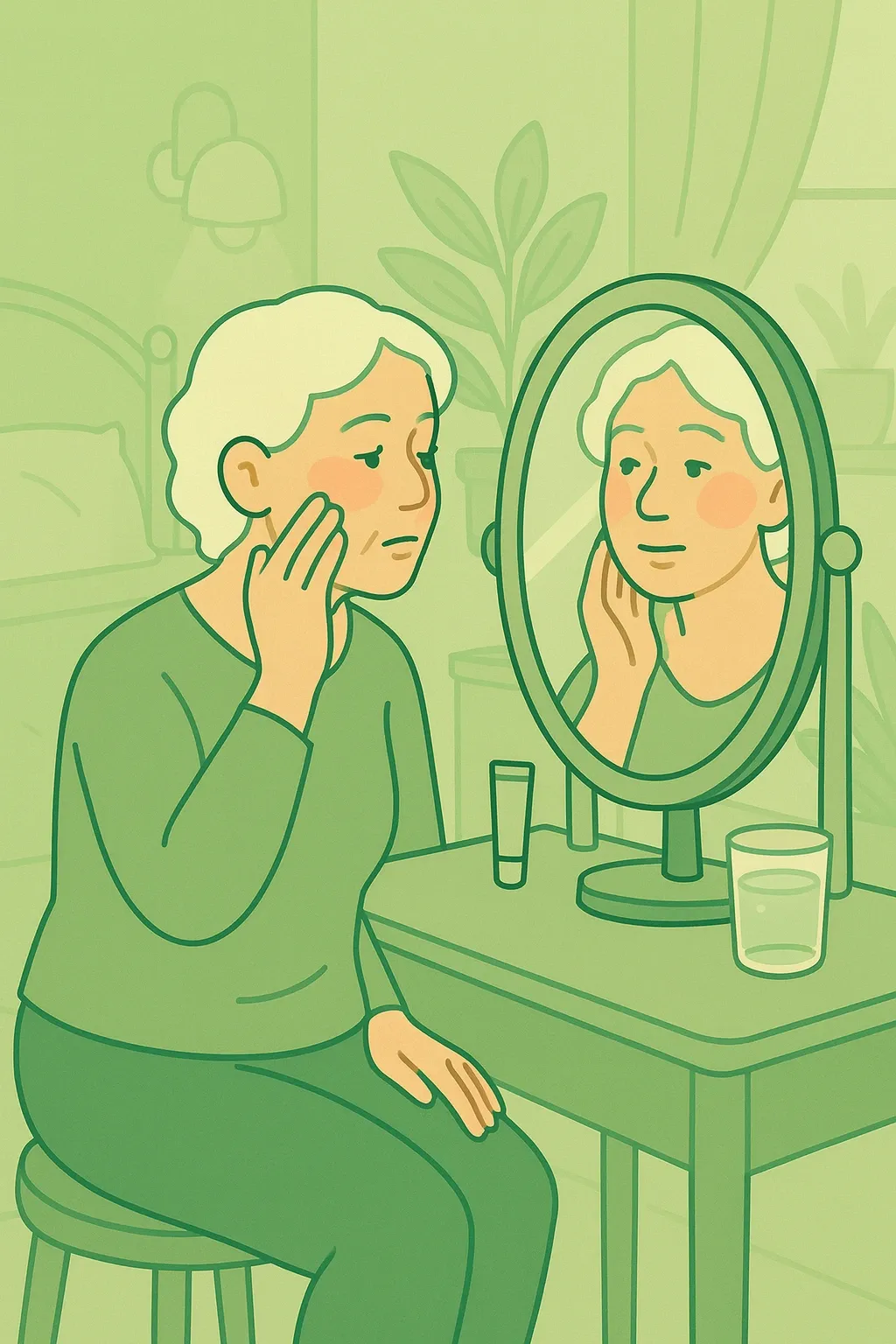
Hormonal changes—whether from stress, lifestyle shifts, monthly cycles, pregnancy, or the stages of perimenopause—often reveal themselves through changes on our skin. You might notice breakouts in new places, dryness where you once felt oily, or puffiness that wasn’t there before.
These shifts can feel frustrating, but understanding what they mean and learning how to support your skin can make the process much easier. Simple daily rituals can help your complexion feel more steady and calm during hormonal transitions.
When you want topical help for specific concerns like under-eye puffiness, products such as a proven eye bag cream can add a helpful layer of support while you work on longer-term routines.
Understanding Hormonal Skin Transitions
Hormonal shifts affect oil production, sensitivity, texture, and hydration. This is why your skin may change from one month to the next—or even from one week to another. These transitions are normal, and they simply reflect how interconnected your skin is with the rest of your body.
Many people experience breakouts along the jawline, dull or tight-feeling skin, or occasional redness when hormones fluctuate. These changes are temporary, and they often respond well to gentle routines that support balance rather than overcorrecting the issue.
What Face Zones Can Tell You
Face mapping is an old concept, but modern skincare experts use it more as a general guide than a strict rule. Each zone of the face tends to reflect different lifestyle or hormonal influences.
Forehead
The forehead is often the first place to show stress or lack of sleep. When this area feels congested or dull, it may be a sign that your body and mind need more rest or balance.
T-Zone
Your T-zone can become oily when cortisol, the stress hormone, rises. Hormonal shifts that influence oil production can make this area shiny some days and normal on others, so a light routine helps keep it balanced.
Cheeks
Cheeks often react to weather changes, humidity, or even your daily habits. When hormones affect your skin’s hydration levels, this area can become dry or more sensitive than usual.
Jawline and Chin
This area is commonly linked with hormonal changes, especially those related to monthly cycles or stress. If you notice recurring bumps or oiliness here, it may simply reflect internal shifts your body is working through.
Rituals to Support Each Face Zone
Below are helpful rituals explained in simple language so they’re easy to apply.
Gentle Cleansing
A gentle cleanser removes buildup without stripping your skin. During hormonal transitions, harsh cleansers can make dryness or sensitivity worse, so softer formulas are often more effective.
Targeted Treatments
Treatments designed for each zone—such as calming serums, hydrating essences, or brightening formulas—help maintain balance. They don’t need to be strong; steady, consistent use delivers better results than strong but inconsistent products.
Massage and Lymphatic Support
Light facial massage or easy lymphatic drainage strokes can help reduce puffiness and boost circulation. These movements also relax facial tension, helping the skin look refreshed over time.
Barrier Care Basics
Supporting the moisture barrier helps your skin stay resilient during hormonal changes. A nutrient-rich moisturizer or serum can ease dryness, calm sensitivity, and protect the skin from external stressors.
Whole-Body Wellness for Hormonal Balance
Hormones influence the entire body, so skin health improves when you support your overall well-being. Small, steady lifestyle habits can make a significant difference.
Sleep Quality
Consistent, restful sleep helps regulate stress hormones that impact your skin. Even gentle changes—like slowing down your evening routine—can result in clearer, calmer skin.
Stress Management
Cortisol can trigger oiliness and sensitivity, so finding ways to unwind supports more stable skin behavior. Activities like journaling, deep breathing, or spending time outdoors help create internal balance.
Hydration and Nutrition
Hydrating throughout the day helps your skin maintain elasticity and comfort. Foods rich in antioxidants, healthy fats, and minerals—such as berries, nuts, and greens—offer steady support for skin transitions.
Gentle Movement
Movement encourages healthy circulation and lymph flow, which helps brighten the skin and reduce puffiness. You don’t need intense workouts; light activity like walking or stretching is enough to support skin health.
Building a Personalized Ritual
Your skin communicates with you, especially during hormonal changes. A flexible approach to skincare helps you respond to its daily needs.
- Adjust your products based on what you notice. Treating each area individually—like hydrating dry cheeks while calming an oily chin—can keep your skin more balanced overall.
- Choose routines you can maintain. A simple three-step routine can be more effective than a complicated one if it keeps your skin steady over time.
- Watch for patterns rather than reacting quickly. Noticing when changes occur can help you identify simple adjustments that make a big difference.
When Professional Help Is the Right Choice
If you experience persistent irritation, sudden changes, or concerns that don’t improve with gentle care, seeking advice from a dermatologist or skincare professional is a smart step. Professional guidance can help you understand what’s happening beneath the surface and tailor solutions to your needs.
Embracing Your Skin Through Every Transition
Hormonal skin changes are a natural part of life, and they don’t have to feel overwhelming. By understanding face zones, practicing supportive rituals, and caring for your whole body, you give your skin the stability it needs to move through each phase with comfort. With patience, consistency, and a gentle approach, your skin can feel clearer, calmer, and more confident through every transition.