What to Eat Before a Gestational Diabetes Test: How to Prepare for Accurate Results
<p>If you’re pregnant, your healthcare provider will likely recommend a gestational diabetes test between 24 and 28 weeks. This screening checks how your body processes sugar during pregnancy — a…
- Published
- Written by
- Women In Balance Team
- Reading time
- 5 minutes
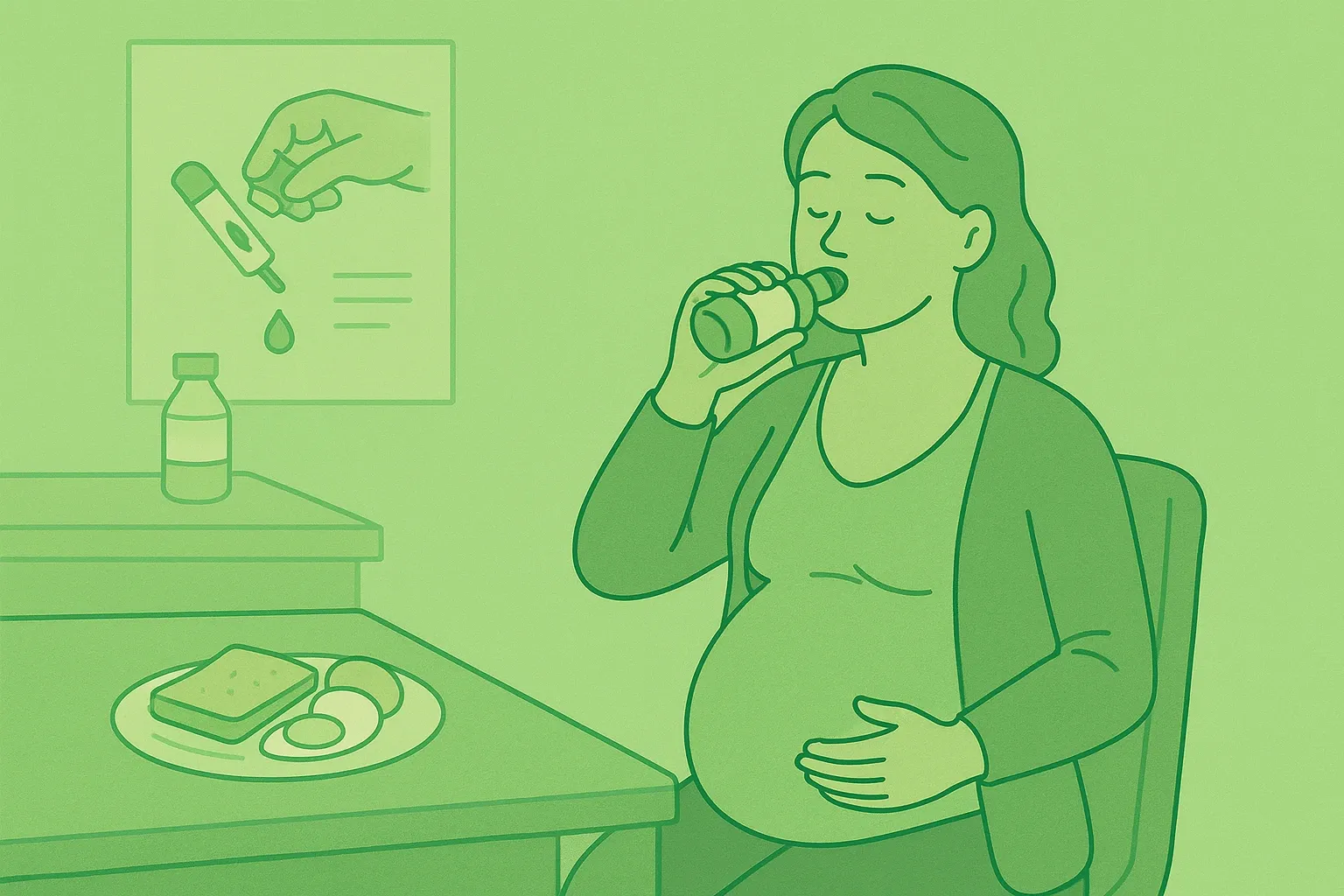
If you’re pregnant, your healthcare provider will likely recommend a gestational diabetes test between 24 and 28 weeks. This screening checks how your body processes sugar during pregnancy — a vital step in protecting both your health and your baby’s.
But many expecting mothers wonder: What should I eat before a gestational diabetes test? The answer depends on the type of test you’re having.
This article explains what gestational diabetes screening involves, how to prepare for each type of test, and what foods (or drinks) to avoid so your results are as accurate as possible.
What Is a Gestational Diabetes Test?
Gestational diabetes occurs when hormones from the placenta interfere with your body’s ability to use insulin, leading to higher blood sugar levels. It affects about 1 in 10 pregnancies, and early detection helps ensure proper management and a healthy delivery.
Doctors use two main types of tests to screen for gestational diabetes:
1. The Glucose Challenge Test (1-Hour Test)
- This is the first screening step for most pregnant women.
- You drink a sweet glucose solution, and your blood sugar is checked one hour later.
- Fasting is not required for this test.
2. The Oral Glucose Tolerance Test (3-Hour Test)
- Done if the 1-hour test shows high blood sugar.
- This test measures how your body handles sugar over three hours.
- Fasting is required before this test.
What to Eat Before the 1-Hour Glucose Challenge Test
You don’t need to fast before the 1-hour test, but your meal choices beforehand can affect your results. Aim to eat a balanced meal 2–3 hours before the test.
Recommended foods:
- Whole grains (oatmeal, brown rice, whole wheat toast).
- Lean proteins (eggs, chicken, tofu).
- Healthy fats (avocado, nuts, olive oil).
- Non-starchy vegetables (spinach, broccoli, peppers).
Foods to avoid before the test:
- Sugary foods (donuts, pastries, candy).
- Sweetened drinks (juice, soda, flavored coffee).
- Refined carbs (white bread, bagels, pasta).
Eating a heavy carb or sugary meal before the test could cause a temporary blood sugar spike, possibly leading to a false positive result.
Example meal before the 1-hour test:
- Scrambled eggs with spinach.
- Whole-grain toast with avocado.
- Water or unsweetened tea.
What to Eat Before the 3-Hour Glucose Tolerance Test
For the 3-hour glucose tolerance test, you’ll usually be asked to:
- Eat a normal diet for 3 days before the test.
- Fast for 8–12 hours before your appointment (no food or drink except water).
It’s important not to restrict carbohydrates before the test, as doing so may lead to inaccurate results.
During the 3 days leading up to the test, include:
- Whole grains, potatoes, and rice.
- Fruits and vegetables.
- Lean meats, eggs, or tofu.
- Milk or yogurt (if tolerated).
Avoid:
- Sugary snacks or drinks.
- High-fat, fried foods.
- Alcohol or caffeine (as recommended by your doctor).
On the morning of the test:
- Drink only water.
- Do not eat, chew gum, or smoke before your blood is drawn.
What Happens During the Test
For the 1-Hour Test:
- You’ll drink a 50-gram glucose solution.
- Your blood will be drawn one hour later to measure sugar levels.
- If your result is above normal (typically >140 mg/dL), your doctor may order the 3-hour test.
For the 3-Hour Test:
- Your fasting blood sugar will be checked first.
- You’ll then drink a 100-gram glucose solution.
- Blood samples are taken at 1, 2, and 3 hours afterward.
If two or more of your readings are elevated, you’ll likely be diagnosed with gestational diabetes.
Tips for Preparing for the Test
- Sleep well the night before. Lack of sleep can raise blood sugar levels.
- Avoid strenuous exercise right before testing. It can affect glucose levels.
- Bring a snack to eat afterward — the glucose drink can make you feel lightheaded or nauseated, especially after fasting.
- Stay hydrated with water before and after the test.
Managing Gestational Diabetes If Diagnosed
If your test confirms gestational diabetes, your doctor will create a personalized care plan that may include:
- A meal plan focused on balanced carbohydrates and protein.
- Regular blood sugar monitoring throughout pregnancy.
- Gentle exercise, such as walking.
- Medication or insulin, if needed.
Most women can manage gestational diabetes successfully with lifestyle adjustments, and blood sugar levels usually return to normal after delivery.
Read on in our UTI testing guide to better understand symptoms and treatment.
The Bottom Line
You can eat normally before the 1-hour gestational diabetes test, but avoid sugary and high-carb foods to keep your results accurate. For the 3-hour test, you’ll need to fast for 8–12 hours but maintain a balanced diet in the days leading up to it.
Following these steps helps ensure your test reflects your body’s true glucose response — giving you and your doctor the best information to keep you and your baby healthy.
Want to check your blood sugar from home?
You can take an at-home glucose and metabolic health test through Ribbon Checkup and get results in days.
Frequently Asked Questions
1. What should I eat before the 1-hour gestational diabetes test?
You can eat normally, but choose balanced meals with protein, healthy fats, and whole grains. Avoid sugary foods, sweet drinks, and refined carbs right before the test.
2. Do I need to fast before the 1-hour glucose challenge test?
No. Fasting is not required for the 1-hour test.
3. What should I eat before the 3-hour glucose tolerance test?
Eat a normal, balanced diet—including carbs—for 3 days before the test, then fast for 8–12 hours before your appointment (water only).
4. What foods should I avoid before my gestational diabetes test?
Avoid sugary foods, sweet drinks, heavy carb meals, and caffeine (if instructed). These can temporarily raise blood sugar and affect results.
5. Can I drink water before the test?
Yes. Water is allowed and recommended for both the 1-hour and 3-hour tests. Avoid other drinks while fasting.
6. What should I bring to the test?
Bring water and a healthy snack for after the test—especially the 3-hour test, since fasting and glucose drinks may cause lightheadedness.
References
Benhalima, K., et al. (2024). The 2024 Flemish consensus on screening for gestational diabetes mellitus (GDM). Acta Clinica Belgica. https://www.hhleuven.be/files/download/zwangerschapsdiabeteswetenschapartikel.pdf
Canadian Diabetes Association. (2024). Diabetes and pregnancy – Clinical practice guidelines (Chapter 36). https://guidelines.diabetes.ca/cpg/chapter36
Cleveland Clinic. (2024). Glucose tolerance test in pregnancy: What to expect. https://my.clevelandclinic.org/health/diagnostics/9696-glucose-test-pregnancy
Kaiser Permanente. (2025, April). Gestational diabetes screening and treatment guideline. https://wa.kaiserpermanente.org/static/pdf/public/guidelines/diabetes-gestational.pdf
Kikula, A., et al. (2024). Optimizing screening practice for gestational diabetes mellitus in low-resource settings: A cross-sectional study. Reproductive Health, 21. https://reproductive-health-journal.biomedcentral.com/articles/10.1186/s12978-024-01938-3
Medical News Today. (2024, November 12). What can a person eat before a gestational diabetes test? https://www.medicalnewstoday.com/articles/what-to-eat-before-gestational-diabetes-test
Mount Sinai Health System. (n.d.). Glucose screening tests during pregnancy. https://www.mountsinai.org/health-library/tests/glucose-screening-tests-during-pregnancy
Perinatal Services BC. (2024, January 31). Screening for gestational diabetes in pregnancy: Obstetric guideline for health care providers. https://cms.psbchealthhub.ca/sites/default/files/2024-01/2024-01-31_Gestational%20diabetes%20guideline_Web.pdf