How to Tell If Your Stomach and Chest Pain Is Stress-Related
<p>When your stomach or chest feels tight, heavy, or uncomfortable, it’s natural to be concerned. In some cases, it could be a medical emergency. Other times, it may be something you ate, or a…
- Published
- Written by
- Women In Balance Team
- Reading time
- 2 minutes
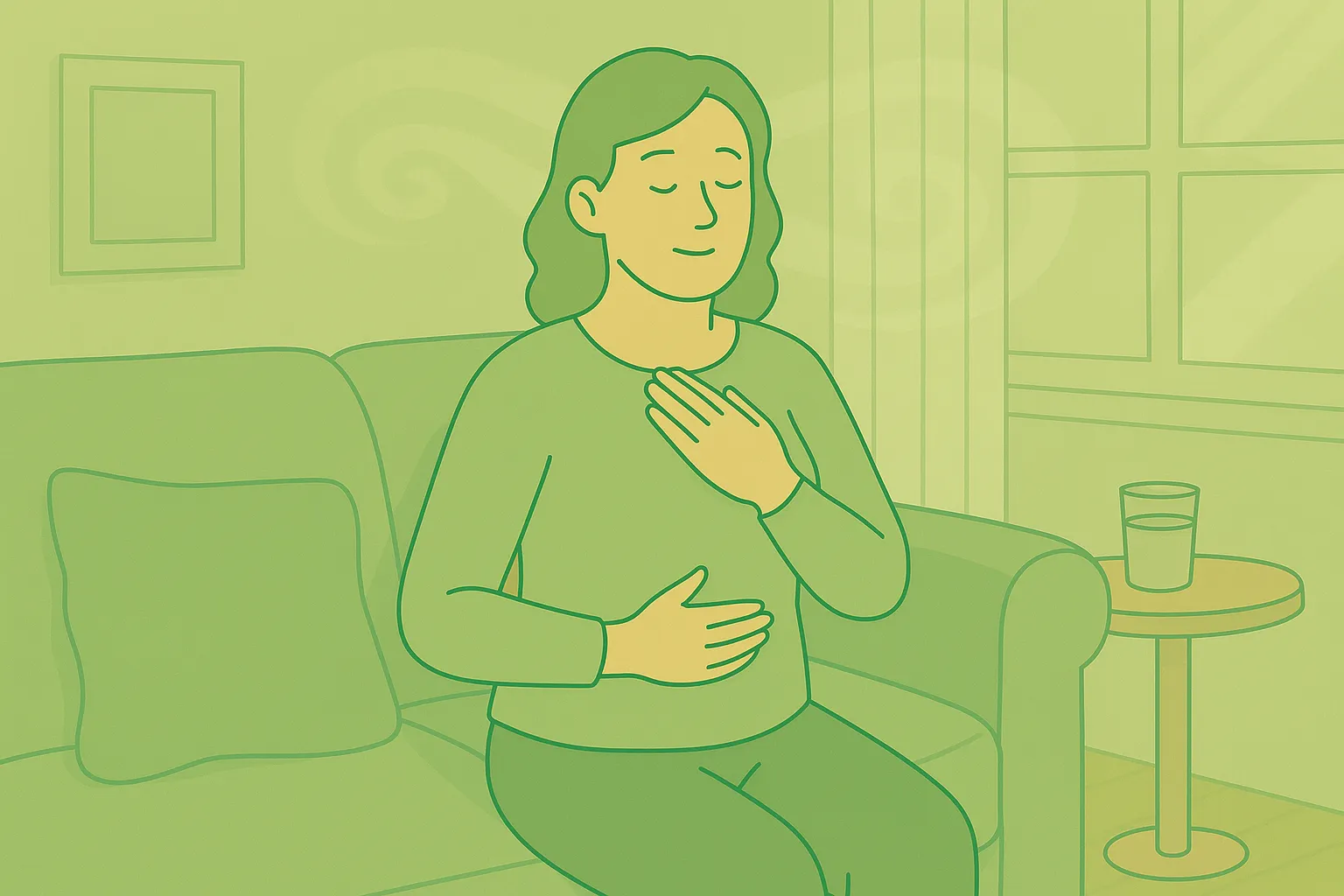
When your stomach or chest feels tight, heavy, or uncomfortable, it’s natural to be concerned. In some cases, it could be a medical emergency. Other times, it may be something you ate, or a response to an emotional situation. Stress affects your body in many different ways, and physical discomfort is one of them. When you know the signs and symptoms, it becomes easier to understand what your body is trying to tell you.
Pay Attention to the Timing
Take note of when the pain appears. If it’s stress-related, it may start during moments of emotional pressure or overwhelm. For example, you might notice discomfort in your chest before a big meeting, or your stomach may feel upset after a long and difficult day. The key to understanding stomach and chest pain is to identify these sorts of patterns so you can pinpoint your specific triggers. That way, you know what to expect, which enables you to manage it.
Recognize the Physical Sensations of Stress
Your body’s stress response is apparent from your head to your toes. Your muscles tighten, your breathing becomes shallow, and your digestion slows down. It’s part of your primordial instinct: you’re getting ready to fight, take flight, or freeze in the face of danger.
Chest tightness happens when air sits high instead of moving deeply through your lungs. When you’re relaxed, your belly should move in and out as you breathe. When you’re stressed, this movement happens much higher, in your chest. The reason your stomach feels cramped is that your digestive system slows as your body uses its energy for more survival-critical bodily functions.
Monitor How Fast the Feelings Come and Go
Chest and stomach pain that’s caused by stress often disappears as quickly as it arrives. For instance, your chest may feel tight and your breathing restricted during an important work call, but it eases the second you hang up. If the sensations come and go in waves that match your emotional state, this is another clue that stress may be playing a large role. If the feelings persist regardless of how you feel, it may be something else that requires medical investigation.
Take Note of What Helps You Feel Better
Thankfully, simple steps can alleviate stress-driven stomach and chest pain. Something as basic as drinking a glass of water often helps. Gentle stretches, a walk in the fresh air, and slow breathing exercises are also useful tactics. One well-known trick is box breathing, where you take a deep inhale, hold, exhale, and hold your breath, with each action lasting four seconds. If these methods bring relief, your body may be reacting to stress rather than something you ate or a medical condition.
Endnote
Stress can create real sensations in your body, particularly in your stomach and chest. Understanding these patterns puts you in a better position to deal with them accordingly. The idea is to respond with mindfulness rather than fear. Pay close attention to when these feelings appear, as well as your breathing, digestion, and what brings relief. Always reach out for professional help if the feelings are new, intense, or unclear.