The Unique Vision Challenges Women Face
<p>Vision health isn’t usually the first thing we think of when discussing women’s wellness, yet it plays a much bigger role than most people realize. Women face a unique set of challenges when it…
- Published
- Written by
- Women In Balance Team
- Reading time
- 4 minutes
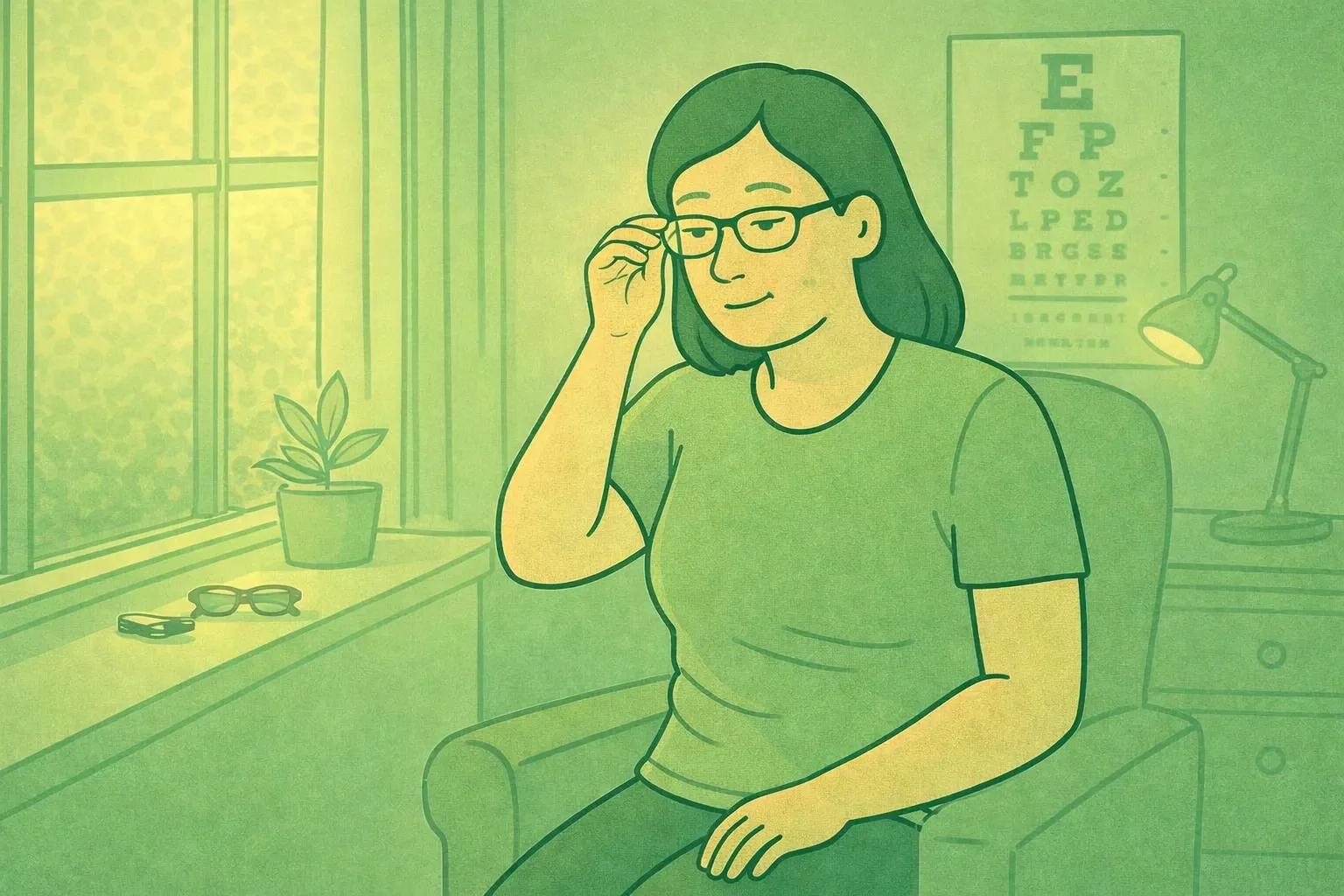
Vision health isn’t usually the first thing we think of when discussing women’s wellness, yet it plays a much bigger role than most people realize. Women face a unique set of challenges when it comes to their eyes, shaped by biology, hormones, and even longer life expectancy.
These factors quietly influence everything from everyday comfort to long-term sight, making awareness and early care more important than ever.
This article explores why women experience certain eye conditions more often, how hormonal shifts can shape vision at every life stage, and what proactive steps can help protect long-term eye health.
How Vision Health Differs for Women
When we think about gender and health, vision doesn’t usually come to mind first. But it should. Women are more likely than men to experience certain eye conditions, and hormonal differences play a much bigger role than most of us realize.
From dry eye syndrome to age-related macular degeneration, the statistics paint a clear picture that women face unique challenges when it comes to their vision.
Why is that the case? It starts with biology. Hormones like estrogen and progesterone can impact the surface of the eye, tear production, and even retinal health over time. Add in the fact that women tend to live longer, and the odds of developing chronic eye conditions increase.
This makes early detection and preventative care especially important. Tools like OCT Machines for Eye Care Professionals are becoming essential in identifying subtle vision changes long before symptoms appear.
1. Dry Eye Syndrome and Hormonal Shifts
Dry eyes aren’t just uncomfortable; they can make everyday activities like reading or working at a computer incredibly frustrating. Women, especially those going through menopause, are disproportionately affected.
Hormonal fluctuations during pregnancy, perimenopause, and menopause affect the tear film that keepsthe eyes lubricated. As estrogen drops, so does the quantity and quality of tears. That means more redness, itching, and that gritty feeling many women describe.
For those navigating the broader changes associated with this life stage, understanding how to deal with the challenges of menopause can also support overall well-being.
2. Age-Related Vision Loss
Women make up the majority of individuals over 65, which means they’re more susceptible to age-related vision conditions like macular degeneration, glaucoma, and cataracts. These conditions can develop silently over time, progressively damaging vision if not detected early.
Macular degeneration, for example, is one of the leading causes of blindness in older adults. Since it affects central vision, it can make reading and recognizing faces nearly impossible. Regular eye exams are critical to catch it early and preserve existing vision. Aging doesn’t only affect eyesight.
Many older adults also experience gradual hearing loss, making conversations and phone calls more challenging. Modern wearable technology, such as glasses with speakers functionality, can provide a more comfortable way to listen to calls, navigation prompts, or media without the need for traditional earbuds. While these devices are not a substitute for hearing aids, they can improve day-to-day convenience for people experiencing mild hearing changes.
Women in their 40s and beyond should make eye screenings a regular part of their health check-ins, just like mammograms or bone density scans.
3. Pregnancy and Vision Changes
Pregnancy brings a lot of shifts, some more unexpected than others. Many women are surprised to find out that vision changes can be part of the package.
Fluid retention during pregnancy may change the shape or thickness of the cornea, slightly altering your vision. There’s also an increased risk of dry eye and even temporary changes in spectacle prescription. In some rare cases, pregnancy can worsen preexisting conditions like diabetic retinopathy.
These shifts usually return to normal after delivery, but they’re worth paying attention to. Pregnant women experiencing noticeable vision changes should check in with their provider to rule out more serious issues.
4. The Gender Gap in Eye Research and Treatment
Here’s something troubling: despite the fact that women are at greater risk for many eye conditions, most vision research has historically focused on men. This gap means we’re still catching up on understanding how conditions show up differently in women or how their treatments might need to be tailored.
For example, some studies suggest that women may experience different symptoms for the same eye disease or respond differently to certain medications. More gender-specific research can help improve diagnostics and therapy options. This dedication to addressing gender-specific health needs is part of a broader movement towards empowering women to prioritize their bodies and overall wellness.
5. Lifestyle and Preventive Strategies
You can’t change your hormones or your age, but you can take proactive steps to prioritize your vision health. Here are some lifestyle-focused strategies that support long-term eye wellness:
- Stay consistent with eye exams. Regular check-ins help detect subtle changes early, especially for conditions that progress silently.
- Protect your eyes from UV exposure. Quality sunglasses and wide-brimmed hats can reduce cumulative damage that contributes to cataracts and macular degeneration.
- Nourish your eyes from within. A diet rich in leafy greens, omega-3s, and antioxidants supports retinal health and reduces inflammation.
- Manage screen time wisely. Following the 20-20-20 rule, looking 20 feet away for 20 seconds every 20 minutes helps reduce digital eye strain.
- Stay hydrated and consider humidifiers. Both support tear production and ease dry eye symptoms, especially in climate-controlled environments.
- Keep systemic health in check. Conditions like diabetes, high blood pressure, and autoimmune disorders can directly affect vision, so managing them benefits your eyes as well.
Final Thoughts: Advocating for Your Eye Health
Vision doesn’t usually get top billing in women’s health discussions, but clearly, it should. The combination of hormonal shifts, aging, and systemic research gaps means women need to be more proactive about their eye care.
Don’t wait for noticeable symptoms: get ahead with educated questions, regular screenings, and conversations with providers who understand the nuances of female health. After all, eye health isn’t just about seeing clearly; it’s about protecting your quality of life for years to come.