How Stress Can Affect Your Health and What Your Doctor Might Miss
<p>Stress is a common part of daily life, but it can affect women differently due to biological, social, and hormonal factors. Balancing work, family responsibilities, and personal health often…
- Published
- Written by
- wib-seo
- Reading time
- 3 minutes
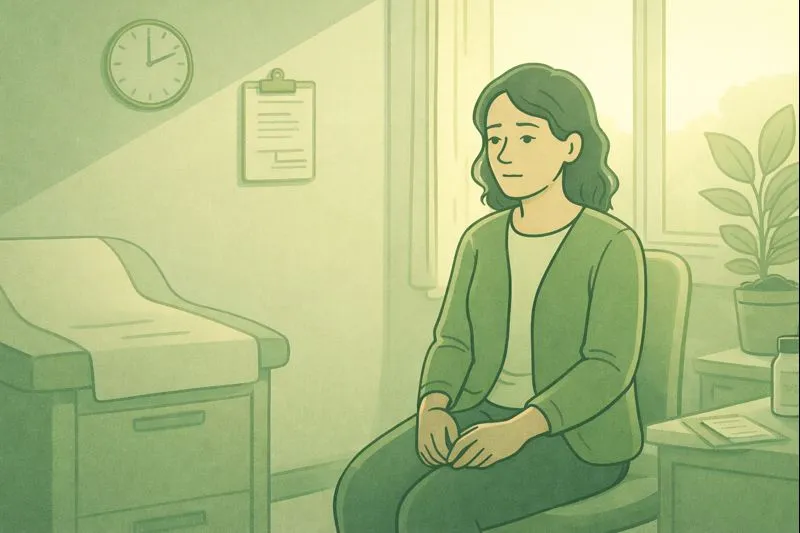
Stress is a common part of daily life, but it can affect women differently due to biological, social, and hormonal factors. Balancing work, family responsibilities, and personal health often places unique demands on women, making them more susceptible to the effects of chronic stress. Many symptoms of stress in women are subtle, and without careful observation, they may go unrecognized during routine medical appointments.
Why stress often goes unnoticed
Women may not always recognize the influence of stress on their health. Cultural expectations around caregiving and professional responsibilities can make women prioritize others’ needs over their own. Many normalize the symptoms of chronic stress, believing that fatigue, irritability, or headaches are simply part of daily life.
Medical appointments themselves may contribute to underreporting. Time-limited visits often focus on acute concerns or lab results, and doctors may not explore emotional or lifestyle factors in depth. Without detailed documentation and attentive observation, stress-related issues can remain hidden even when they significantly affect health. Stress can be challenging for doctors to detect because the symptoms often overlap with other health concerns. Fatigue, mood swings, or digestive complaints may be attributed to hormonal changes or lifestyle factors without considering stress as a primary factor.
Medical scribing can be valuable during doctor appointments. Medical scribes capture patient interactions in real time, allowing doctors to identify patterns that might not be obvious if they were focusing on documentation. By tracking symptoms, lifestyle habits, and emotional health, scribes can help doctors recognize stress as a contributing factor. Patterns such as persistent fatigue, sleep problems, or mood fluctuations can signal chronic stress even when patients don’t explicitly mention it.
How stress affects mental health
Women are more likely than men to experience anxiety and depression, and stress can intensify these conditions. Chronic stress triggers the release of hormones such as cortisol and adrenaline; these hormones influence mood, sleep, and cognitive function. Women under stress may notice increased irritability, emotional sensitivity, or difficulty concentrating. Stress can also affect hormonal cycles, leading to irregular periods, premenstrual syndrome, or worsened menopausal symptoms.
Sleep disruptions caused by stress have a significant impact on women’s health. Lack of quality sleep can worsen mood swings, amplify anxiety, and reduce the ability to cope with daily demands. Sleep disturbances also affect hormone regulation, including those that control appetite and metabolism, which can influence weight and energy levels over time.
How stress affects physical health
Chronic stress can affect women’s physical health in ways that are sometimes overlooked. Stress contributes to heart disease, high blood pressure, and weakened immunity. Women experiencing prolonged stress may also notice gastrointestinal issues, headaches, and muscle tension. Stress can exacerbate conditions such as thyroid disorders, autoimmune diseases, or fibromyalgia, which are more common in women.
Lifestyle changes caused by stress further impact physical health. Women may skip meals, rely on comfort foods, or reduce physical activity; these habits can contribute to weight gain or worsen existing health issues. Stress can also affect reproductive health, impacting fertility, menstrual cycles, and pregnancy outcomes. Recognizing these patterns is important when trying to address the underlying causes rather than only treating symptoms.
Strategies for managing stress in women
Addressing stress in women requires attention to both physical and emotional health. Regular physical activity, balanced nutrition, and sufficient sleep are foundational for stress management. Mindfulness practices, yoga, meditation, and breathing exercises support emotional regulation and help reduce tension. Social support is especially important; connecting with friends, family, or support groups provides perspective and helps alleviate feelings of isolation.
Women experiencing chronic stress or stress-related mental health conditions may benefit from professional guidance, such as therapy or counseling. Healthcare providers might suggest behavioral strategies or medication to manage symptoms, and regular monitoring can ensure that interventions are effective. Taking a proactive approach to stress management can improve reproductive health, hormone regulation, and overall quality of life.