Stem Cell Therapy Near Me: How It Is Helping People Restore Health and Vitality Naturally
<p>At 52, a woman faced knee replacement surgery because the cartilage in her right knee had worn down so much that climbing stairs left her in pain. The doctor was ready to schedule the operation…
- Published
- Written by
- Women In Balance Team
- Reading time
- 5 minutes
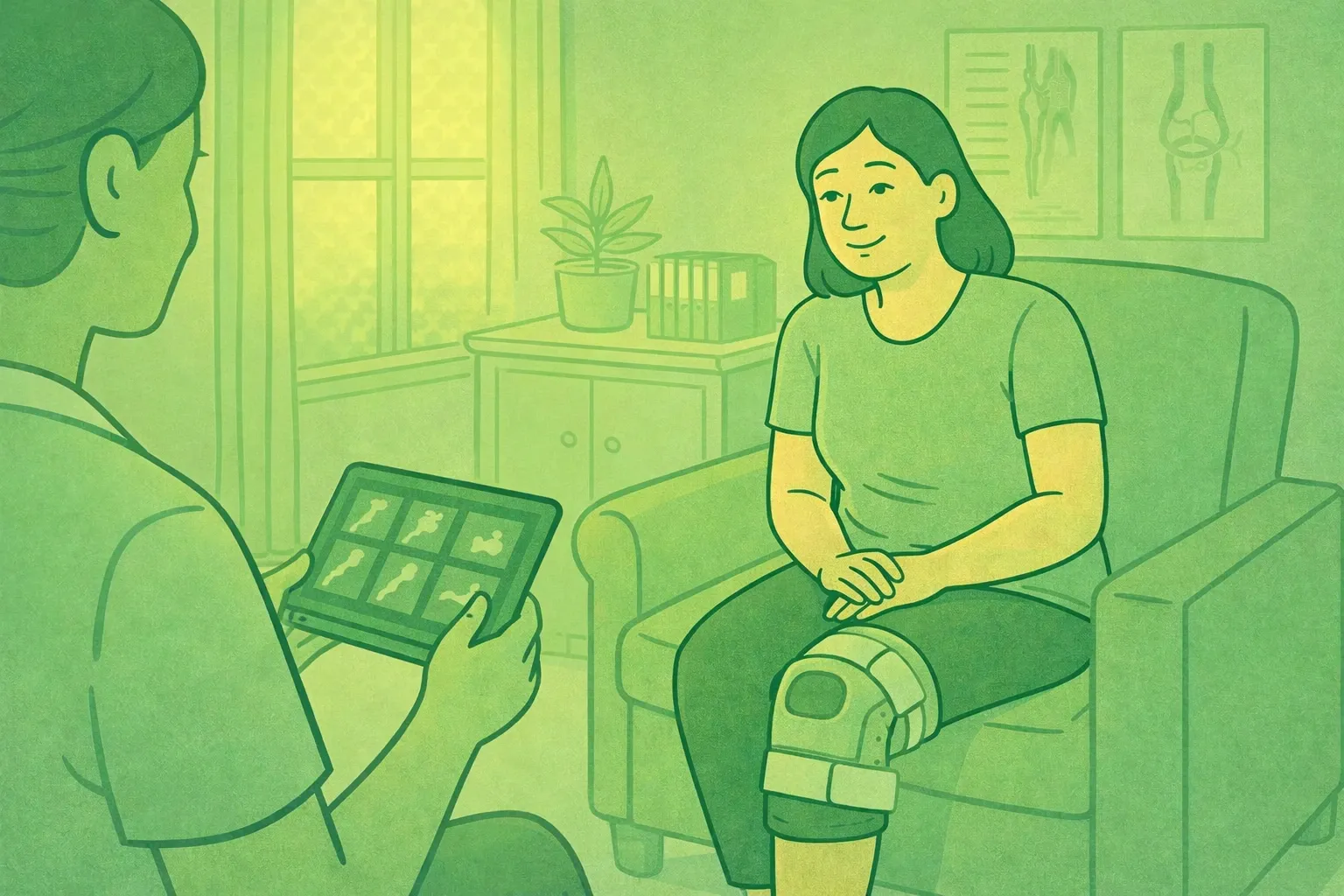
At 52, a woman faced knee replacement surgery because the cartilage in her right knee had worn down so much that climbing stairs left her in pain. The doctor was ready to schedule the operation, but she wanted to consider other options first.
She’s not alone. Thousands of patients are looking for regenerative medicine treatments that work with the body’s natural healing abilities rather than relying solely on surgery. Enter stem cell treatment.
The Science Behind Stem Cell Treatment
Stem cells work as the body’s repair system. While regular cells have a specific job, stem cells can change into different cell types where needed. That adaptability is what makes them so useful in repairing damaged tissue. They also release growth factors and regulate inflammation. These are processes that don’t always work properly in injured or aged tissues.
Research indicates that, upon targeting injury sites, injections of concentrated stem cells can accelerate recovery by aiding in the repair of injured tissue. The cells morph into the types of tissues required, release healing factors, and dampen excess inflammation that slows down recovery. (1)
Thus, the healing process works in several different ways. Damaged cells are replaced by stem cells and create an environment to promote regeneration. They bring other healing cells to the injury site, help new blood vessels form, and make proteins that support tissue rebuilding.
A Different Treatment Approach
Standard treatments for different types of joint problems follow a predictable pattern. Pain management with anti-inflammatory drugs or steroid shots is usually followed by eventual replacement of the damaged joint through surgical means. Such treatments either alleviate symptoms or remove problem tissue but don’t restore lost tissue.
Regenerative medicine works differently. The most common procedures use the patient’s own stem cells from either bone marrow in the hip bone or fat tissue. These are then processed into bone marrow aspirate concentrate (BMAC) and injected back into the area of damage. Many treatments also combine stem cells with PRP or extra growth factors to amplify the healing response. (2)
Other sources include Wharton’s Jelly from umbilical cord tissue and amniotic stem cells. Both are rich in growth factors that help cell regeneration. These materials go through rigorous screening and processing so that safety standards are met. (3)
Most procedures occur on an outpatient basis. Patients can walk out the same day with no general anesthesia, no hospital stays, and no long recovery time often associated with major surgery. If this approach to treatment appeals to you, then you can search for “stem cell therapy near me” to find experts who can perform this non-invasive procedure to kick-start your natural healing process.
Current Uses
The results are mostly seen in bone and joint conditions. Studies have shown that stem cell treatments work for knee arthritis, rotator cuff injuries, tennis elbow, and Achilles tendon problems. Patients with spine disc problems also found relief and didn’t need to resort to spinal fusion surgery.
Other patients trying these treatments are athletes and active people with tendon inflammation or tissue injuries. Tendons heal more slowly than other tissues because of their poor blood supply. The therapy might accelerate tendon healing by bringing blood vessels to the injury and providing cells that develop into tendon tissue.
USC researchers created two different treatments based on stem cells for arthritis. The first is a “regenerative pouch” with cartilage cells that can help repair damage from injuries, while the second, an injectable one, can reduce inflammation to wake up the sleeping stem cells and help the tissue grow back in age-related cases. (4)
Autoimmune disorders present another promise. Since the stem cells can modulate the immune system activity, they may help in conditions where the immune system doesn’t work properly. This seems to bring back balance, since it reduces overactive responses while keeping protective immunity.
Recent research from NIH and Stanford found that targeting stem cell groups in the blood can make aging immune systems work like younger ones. As people get older, some of these stem cells start to cause more inflammation while the body manufactures fewer infection-fighting cells. When researchers eliminated these problem stem cells in animal studies, subjects made more T and B cells, responded better to vaccines, and enjoyed stronger protection against disease. (5)
Brain disorders and heart applications remain largely experimental. Researchers in heart disease are examining how stem cells can repair heart tissue, but those uses haven’t moved beyond the research stage yet. Setting realistic expectations matters because stem cell therapy isn’t a cure for everything. (4)
The Treatment Process
The first appointment will determine whether you’re a good candidate. Excellent providers do thorough evaluations and will frankly tell their patients when they’re not suitable candidates. These include imaging tests to check on tissue damage, review of medical history, and discussion of realistic results. For all bone and joint disorders, the procedure is minimally invasive. After the area is numbed, doctors take cells from either the bone marrow or fat tissue, process and concentrate them, and then inject the material into the damaged site. Most patients feel mild discomfort but generally tolerate the procedure quite well.
The processing step makes a difference. By concentrating the stem cells and eliminating the red blood cells and parts not needed for healing, lab technicians increase stem cell numbers 10 times or more compared to the original sample.
Recovery times do vary. Some patients notice improvement within weeks, while others take several months for full healing. Activity limits apply at first, and physical therapy usually remains part of the treatment plan. The first few weeks following the injection are critical, in that patients need to balance rest with gentle movement to support healing.
Of course, physical therapy deserves mentioning. The stem cells provide the building blocks for healing, but proper exercise helps direct how that healing happens. Physical therapists who know about post-stem-cell-therapy care can guide patients through exercises that improve results.
Results aren’t uniform for everyone. Some patients see major improvement, others realize moderate benefit. The results would be hugely dependent on age, overall health, extent of the tissue damage, and the condition being addressed. Generally speaking, the younger the patient and the fresher the injury is, the better the treatment response than older patients whose damage has been ongoing for a long time.
The Bottom Line
Stem cell therapy offers a substitute for the traditional surgical method by supporting the body’s intrinsic healing capability. With the expansion of research and improvement in various techniques, more patients now find this a viable treatment option. Stem cell therapy opens up possibilities to avoid major surgery and sustains quality of life.
References
1. “An overview of stem cells and cell products involved in trauma injury”, Source: https://pmc.ncbi.nlm.nih.gov/articles/PMC11938091/#:~:text=In%20trauma%20injuries,and%20ensure%20safety
2. “Bone Marrow Concentrate (BMC)”, Source: https://my.clevelandclinic.org/health/procedures/bone-marrow-concentrate-bmc#:~:text=What%20is%20bone,your%20provider%E2%80%99s%20office
3. “Stem cells: What they are and what they do”, Source: https://www.mayoclinic.org/tests-procedures/bone-marrow-transplant/in-depth/stem-cells/art-20048117#:~:text=Perinatal%20stem%20cells,procedure%20called%20amniocentesis 4. “Cell by cell: Rebuilding the body.” Source: https://today.usc.edu/cell-by-cell-rebuilding-the-body/
5. “Rejuvenating the immune system by depleting certain stem cells.” Source: https://www.nih.gov/news-events/nih-research-matters/rejuvenating-immune-system-depleting-certain-stem-cells