Why Strength Training Is Crucial for Women’s Physical and Mental Balance
Weight training is nothing short of life-changing for many women, and it’s more than just toned muscle tissue. It has been proven to enhance mental wellness, correct hormone imbalances, and boost…
- Published
- Written by
- Women In Balance Team
- Reading time
- 9 minutes
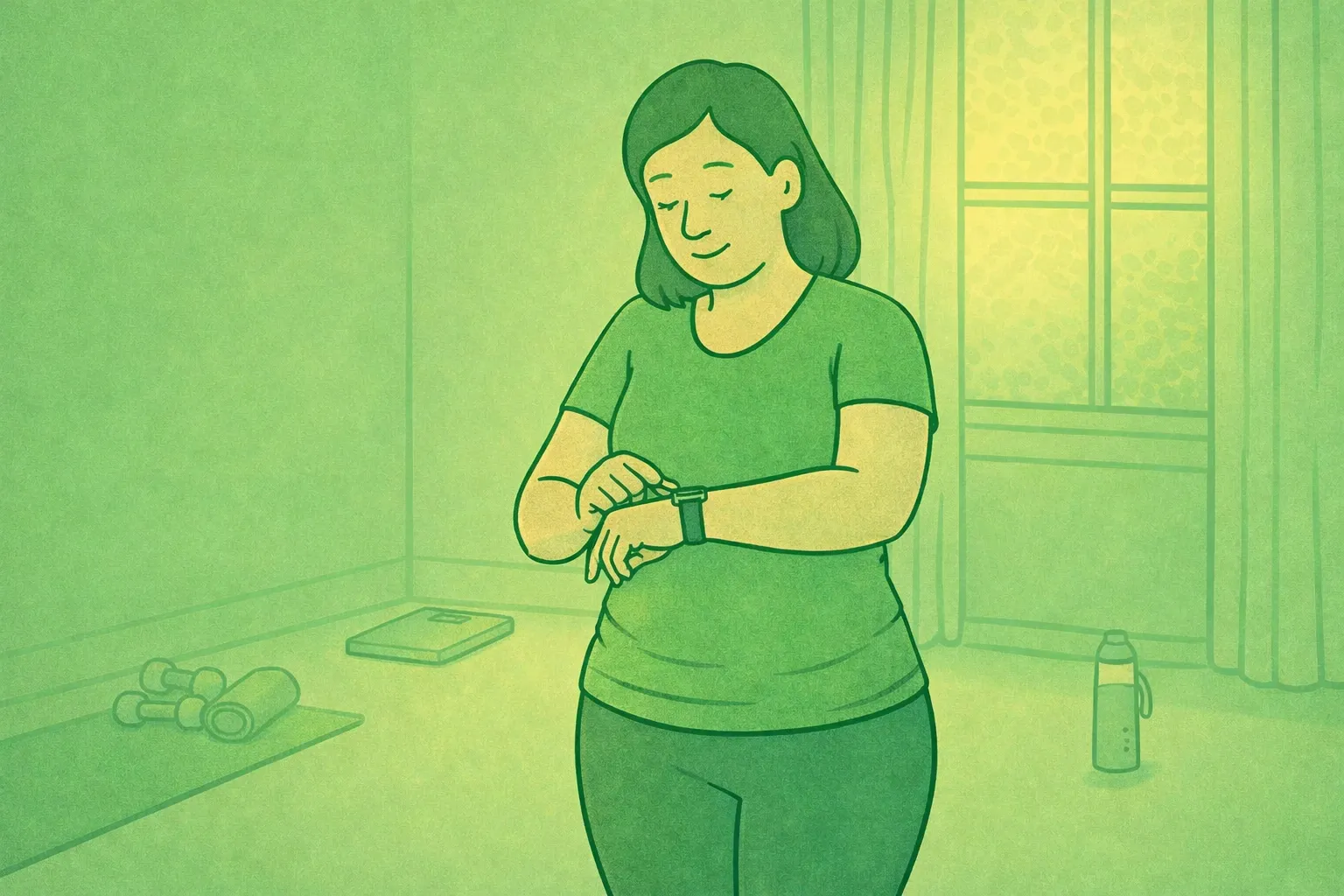
Weight training is nothing short of life-changing for many women, and it’s more than just toned muscle tissue. It has been proven to enhance mental wellness, correct hormone imbalances, and boost bone health, which in turn leads to an improvement in the general quality of life.
Understanding Strength Training for Women
Strength training, also called resistance or weight training, focuses on building muscle to enhance strength and endurance using weight machines, free weights, resistance bands, or bodyweight exercises like squats and push-ups.
Many women would never try strength training because of misconceptions about how it could make them too bulky and masculine. The reality differs: women’s hormonal profiles make excess muscle mass nearly impossible to develop, except with precise bodybuilding protocols. Instead, strength training builds lean and strong bodies, offering remarkable physical and mental health benefits.
Nowadays, women have access to tools that make it easier for those embarking on a strength training journey. Fitbudd is one such personal trainer software that gives trainers a platform to provide customized strength training programs for women according to their needs. Whether training at home or at the gym, Fitbudd ensures proper execution.
Mental Health Benefits of Strength Training
Reducing Anxiety and Depression
Indeed, two comprehensive meta-analyses on strength training and the mental health of women released in 2024 reported stunning findings: significant reductions in anxiety symptoms and symptoms of depression across studies, inclusive of teen girls through post-menopausal women. Unlike many previous strength training studies, most participants were women, making the findings particularly relevant.
Exercising women are 52% happier, 50% more energized, and 48% more confident than sedentary women, while also showing 67% less stress and 80% less frustration, underscoring the benefits of consistent training for mood.
A 2024 meta-analysis of 218 studies found that strength training can be considered a core treatment for mild to moderate depression, alongside psychotherapy and antidepressants. This puts the groundbreaking recognition that resistance training should no longer be thought of as a supplementary activity but as an essential treatment tool.
Building Self-Esteem and Body Image
Resistance training significantly affects women’s self-concept. Studies have reported that competitive female powerlifters have healthier body image attitudes than controls. Objective competition outcomes of strength sports lead women to positive self-regard.
In one such trial, resistance training groups showed statistically significant increases in strength, along with improved body satisfaction scores. The focus shifts from appearance to capability, creating empowering mental shifts that extend well beyond the confines of the gym.
Reducing Perceived Stress
A pilot study showed that resistance training decreased perceived stress in females over 30 years of age. Women who have taken part in structured strength programs have reported improved executive function and better handling of stress. The increase in dopamine resulting from quality strength sessions noticeably improves cognitive function, directly impacting stress levels.
Physical Health Benefits for Women
Strengthening Bones and Preventing Osteoporosis
An estimated eight million women in the United States have osteoporosis, accounting for approximately two million fractures per year. In the first decade following menopause, women experience bone mass loss from 1.5 to 2.5% every year, dramatically increasing fracture risk.
Strength training addresses this critical issue. Studies have shown that resistance training can help slow bone loss and even build bone density. Weight-bearing exercise stimulates bone-forming cells by placing stress on the bones, which in turn causes them to become stronger and denser.
One successful study found that postmenopausal women gained an average of 11% bone mineral density in the hip after three years of strength training. The LIFTMOR study unveiled that postmenopausal women training with heavy weights for just 30 minutes twice weekly achieved a 3% increase in lumbar spine bone mineral density and 13.6% increase in cortical thickness at the hip in only eight months.
Current evidence indicates that moderate-intensity resistance training three days a week is optimal for enhancing bone mineral density in postmenopausal women. These results are encouraging for the millions of women looking for natural, effective methods to preserve skeletal health.
Natural Hormone Balance
Resistance training has a strong effect on hormonal function. The distinctive female hormonal profile favors well-designed programs of resistance.
Testosterone and Growth Hormone
Although there are associations with male health, testosterone plays a very important role in developing lean muscle mass, fat metabolism, energy production, and the overall general health of women. Resistance training, especially with all its compound movements like squats, deadlifts, and presses, builds up testosterone levels in females. By raising their levels, the hormone repairs tissues, enhances recovery, and improves the strength gained.
Another anabolic hormone that is important to muscle growth and fat burning is growth hormone, which also responds favorably to resistance training. Regular strength work will help women maintain healthy hormone levels into their older years and offset natural declines.
Managing Cortisol and Stress Hormones
Unlike the chronic cardio that tends to raise cortisol levels, strength training helps balance out the hormone when properly programmed. Well-designed resistance programs improve the body’s ability to manage stress without the increase in chronic cortisol associated with excessive endurance training.
The key is not to overtrain. Blending regular strength sessions with recovery keeps chronic stress levels lower, enhances sleep quality, reduces anxiety, and maintains a healthier cortisol balance. Short, high-intensity resistance workouts generate less cortisol elevation than do prolonged endurance sessions.
Resistance training for women, on the other hand, has an impact on the balance of estrogen and progesterone. These imbalances can cause irregular menstrual periods, weight increase, and mood swings associated with PMS. Proper resistance training maintains hormonal balance during the many changes in life.
Improving Metabolic Health
Strength training increases metabolism, which in turn allows the body to burn calories more efficiently and maintain weight more easily. Gaining muscle through resistance training increases resting metabolic rate, a measure of how the body expends energy at rest, so women burn more calories even when sitting still.
Resistance training improves insulin sensitivity and thereby prevents the onset of type 2 diabetes. It also has favorable effects on various cardiometabolic parameters like glucose, lipoproteins, and markers of inflammation. These metabolic improvements are important for the attainment of better health and prevention of diseases.
Supporting Pregnancy and Postpartum Recovery
Strength training during childbearing years prepares a woman’s body for a healthy pregnancy, labor, and delivery. Regular resistance work diminishes fatigue and low energy during pregnancy, while it lessens the likelihood of the need for a cesarean birth.
A strong body and continued exercise reduce the risk of pregnancy complications such as gestational diabetes, preeclampsia, and depression after childbirth. The American College of Obstetricians and Gynecologists affirms that strength training is generally safe for pregnant women with low-risk pregnancies.
Enhancing Functional Performance
Beyond aesthetics and clinical measures, strength training greatly improves functional performance. Women say everyday activities become easier, from carrying groceries to playing with children to maintaining independence as they age.
Resistance training of high intensity not only enhances functional metrics, such as timed up-and-go tests, functional reach, and sit-to-stand performance, but also overall strength. These improvements translate directly to enhanced quality of life and reduced fall risk, particularly important for older women.
Getting Started with Strength Training
Basic Principles
This means that novice women to resistance training should begin with two to three times per week. Begin with body weight exercises or light weights to master proper form before progressively increasing resistance. Emphasis on compound movements that work multiple muscle groups simultaneously.
The important exercises that are necessary to be done are squats, deadlifts, push-ups, rows, and overhead presses. Large muscle masses are worked in all of these exercises, creating appropriate mechanical stress for bone and muscle adaptation and providing maximum benefit.
Progressive Overload
The driving force for continued improvement is the principle of progressive overload. Progressive overload suggests that weight, repetitions, or training frequency should be gradually increased over time. It provides for a systematic linear increase in resistance, starting at manageable levels, and ensures continuous progress without significantly raising the risk of injury.
Balance and Recovery
Adequate recovery between sessions remains important. It’s not on the workout days that muscles grow and strengthen, but on resting days. Try to give 48 hours between training of the same muscles. Quality sleep, proper nutrition, and stress management complement training efforts.
Using Technology to Support Training
Modern fitness technologies help women maximize strength training benefits. Today, many professionals in the field create, track, and perfect training on special platforms. An app for personal trainers offers customized workout creation based on individual goals, experience levels, and available equipment.
Examples of gym personal trainer applications include demonstration of exercises, progress tracking, and modification of programs according to the advancement of the clients. These digital tools enhance accountability, proper progression, and variety in training.
Fitness studio management software helps facilities deliver structured strength programs across multiple clients. Fitness studio scheduling software coordinates class times with trainer availability, making consistent training more accessible.
To women who require personalized advice, these applications provide gyms with professional expertise that can adequately address women-specific training needs. Whether one is training at commercial or home facilities, technology bridges the gaps between knowledge and application.
Advanced gym CRM software will help fitness businesses to track client progress, manage communications, and provide better service. This administrative support will give trainers the flexibility to focus on what is most important: helping women attain their true strength and wellness goals.
Breaking Down Barriers
Many women are hindered from starting strength training due to various challenges they might face in the gym environment, such as intimidation, not knowing how to handle weights correctly, and a lack of time. However, numerous solutions exist.
Women’s-only training classes are a great judgment-free environment in which to learn the basic movements. Online coaching programs can offer flexibility for busy schedules. Starting at home with minimal equipment removes any gym intimidation while having a chance to build foundational strength and confidence.
The most critical step is to start. Women of any age, health status, and even with a complete lack of experience, can start strengthening their muscles. What matters most is to find an approach that will suit individual circumstances and not to let consistency fade away.
Long-Term Health and Aging
With age, resistance training to build muscular mass becomes increasingly important. Sarcopenia, or the reduction of age-related muscular mass, usually begins around the age of 30, accelerating after 60; this process is counteracted by regular resistance training.
Muscle mass for post and peri-menopausal women helps in combating hormonal changes that contribute to muscle loss, while strong muscles protect the joints, improve balance, and reduce fall risks-critical factors for aging successfully.
Research consistently shows that strength training benefits extend across the lifespan. Young women build strength reserves, middle-aged women maintain function and manage stress, and older women preserve independence and bone health. A very valuable investment indeed, as it pays dividends at every stage in life.
Conclusion
Resistance training is important for women’s physical and mental balance. In fact, the evidence overwhelmingly supports resistance training as the cornerstone in women’s health, offering benefits that include reduced anxiety and depression, improved bone density, balanced hormones, enhanced metabolic health, and superior functional performance.
It shouldn’t be an option or supplementary but rather basic to women’s well-being. Indeed, modern research confirms what many women experience for themselves: in lifting weights lies a lot more than just building strength; it fosters mental resilience, brings emotional balance, and enhances the quality of life.Whether through bodyweight exercises at home, joining a women’s fitness class, or working out with a personal trainer, it’s possible for every woman to access the benefits of strength training. The question isn’t whether to start, but when. Considering such radical physical and mental health improvements, the answer would go this way: today.