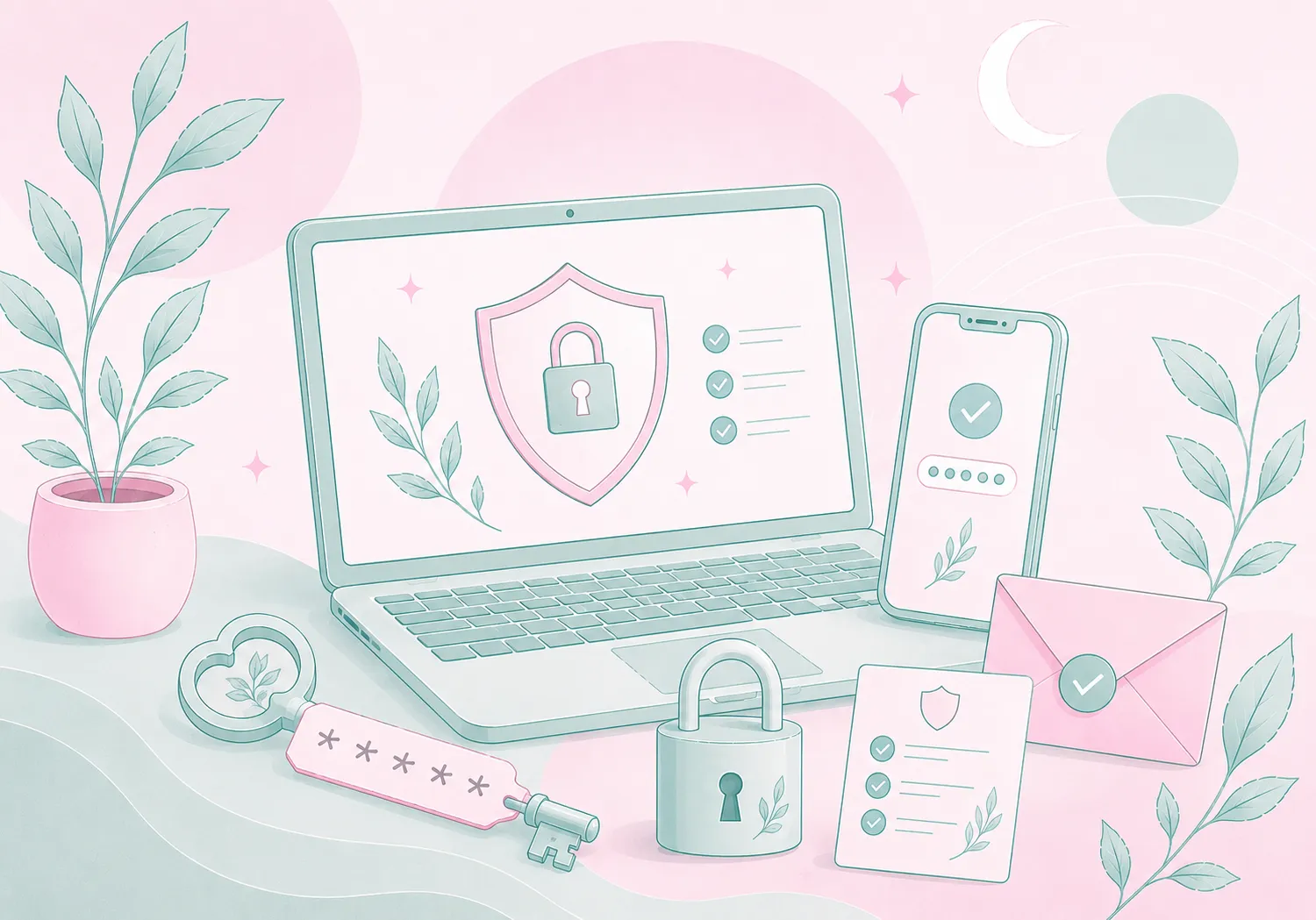
Digital Boundaries and Mental Peace: How Women Can Reclaim Calm in a Constantly Connected World
Your phone lights up before your eyes are fully open. Notifications, messages, reminders, and updates begin to stack up within seconds. Before the day has even properly started, your attention is…
- Published
- Written by
- Women In Balance Team
- Reading time
- 6 minutes
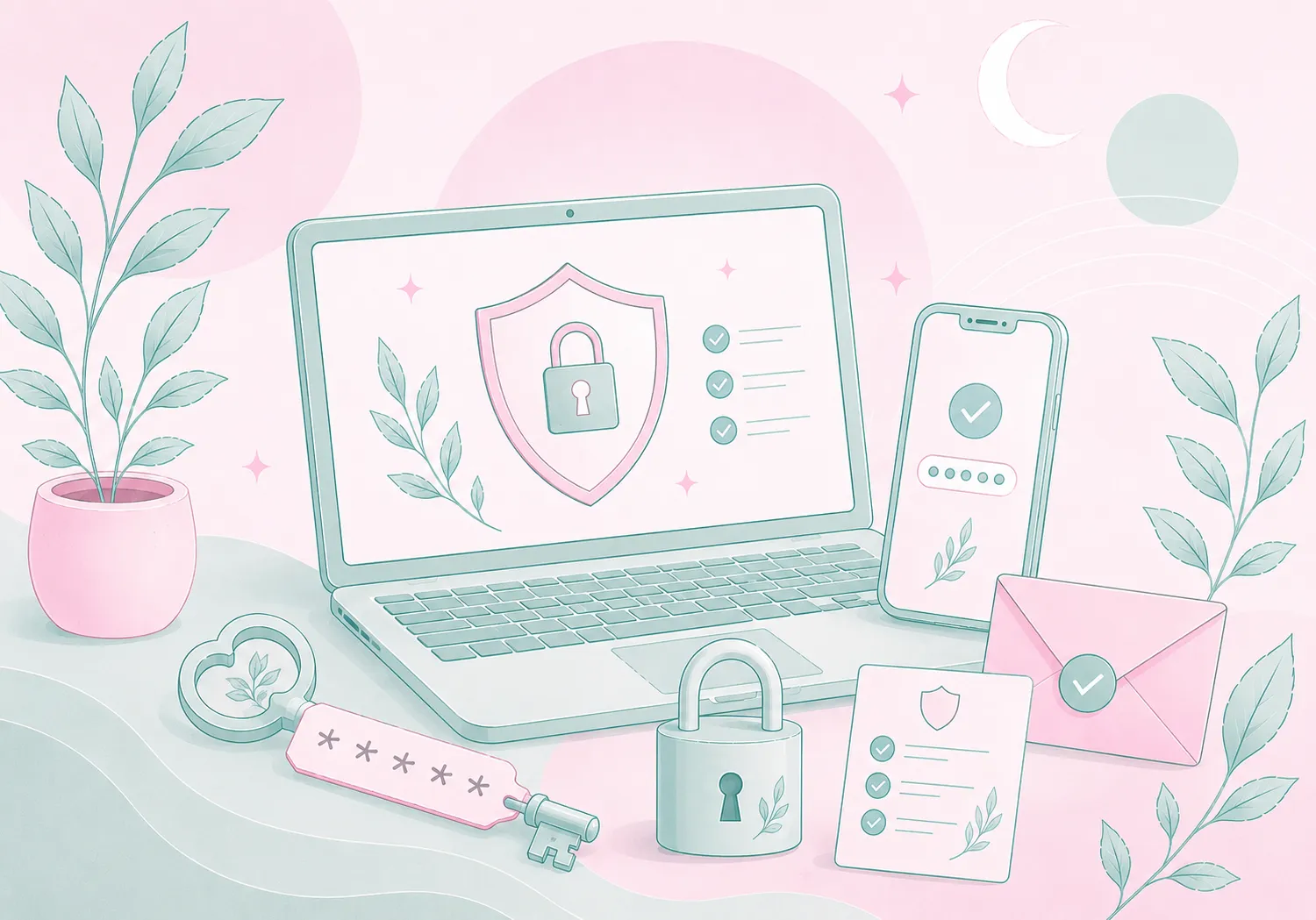
Your phone lights up before your eyes are fully open. Notifications, messages, reminders, and updates begin to stack up within seconds. Before the day has even properly started, your attention is already divided between dozens of digital demands.
For many women today, this is not an exception; it is the norm.
Work communication, family logistics, social media, online shopping, and entertainment all live inside the same small device. The convenience is undeniable, but so is the quiet mental weight that comes with it. Over time, this constant connectivity can leave many women feeling mentally scattered, emotionally drained, or as if they are always “on,” without ever fully switching off. Studies suggest that nearly 70% of internet users feel uneasy when they think about how much personal information companies actually hold.
Digital wellbeing is not about rejecting technology. It is about learning how to live alongside it in a way that protects your attention, your emotional space, and your sense of calm.
The Invisible Pressure of Constant Connectivity
Most people do not consciously feel “tracked” or overwhelmed when using their devices. Yet something subtle happens in the background.
Every app competes for attention. Every notification pulls focus away from the present moment. Every scroll introduces new information, comparisons, and emotional triggers.
Even when nothing urgent is happening, the mind remains slightly alert, waiting for the next message, alert, or update.
For women balancing multiple roles, professional responsibilities, caregiving, relationships, and personal expectations, this state of constant partial attention can feel especially heavy. There is rarely a true pause, only smaller interruptions throughout the day.
Research in digital psychology suggests that this fragmented attention can contribute to stress, reduced focus, and emotional fatigue over time. The issue is rarely the technology itself, but the lack of intentional boundaries around it.
Without structure, attention becomes reactive rather than chosen.
Why Women Often Experience Higher Digital Mental Load
While digital overload affects everyone, many women experience it more intensely due to the layered nature of their daily responsibilities.
A single device often becomes the central hub for:
- Work communication and deadlines
- Family coordination and caregiving logistics
- Social relationships and emotional maintenance
- Personal organization and planning
- Rest and entertainment
This overlap means there is rarely a clear separation between roles. A work email can arrive during family time. A personal message can interrupt work focus. A social media notification can pull attention away from the rest.
This constant switching between roles creates cognitive fatigue, not because any one task is overwhelming, but because the transitions never stop.
Over time, this contributes to what many women describe as “mental clutter”: the feeling of always being busy, even when nothing meaningful is being completed in that moment.
Understanding Your Digital Footprint (Without the Overwhelm)
Every time you interact online, searching, scrolling, liking, signing up, or shopping, you leave behind small traces of information. This is known as your digital footprint.
Some of it is intentional, like posts you share or accounts you create. But much of it is passive: apps tracking usage patterns, websites remembering behavior, or platforms predicting preferences based on activity.
The important point is not to create fear, but awareness.
Over time, these small fragments form a detailed picture of habits, routines, and interests. While this is often used to improve user experience, it can also contribute to a sense of being constantly observed or influenced.
Awareness allows choice. And choice is the first step toward regaining control over your digital environment.
You do not need to withdraw from technology; you simply need to become more intentional about how you engage with it.
The Emotional Weight of Always Being Available
One of the most overlooked effects of digital life is emotional exhaustion.
When your attention is constantly pulled in different directions, your nervous system rarely gets a full reset. Even during rest, many people instinctively reach for their phones, continuing a cycle of passive stimulation.
This creates a loop:
- Overstimulation during the day
- Passive scrolling during downtime
- Reduced mental recovery
- Increased fatigue the next day
Over time, this cycle can affect sleep quality, patience, focus, and emotional resilience.
Many women notice it as:
- Feeling mentally “foggy”
- Becoming more reactive to small stressors
- Struggling to fully relax, even during downtime
- Feeling guilty for resting without productivity
This is not a personal failure. It is the natural result of environments designed to keep attention engaged for as long as possible.
Understanding this removes self-blame and replaces it with clarity.
Practical Ways to Reclaim Online Privacy
So where do you actually start? Here’s a short, realistic list:
- Review your privacy settings on social media at least once a month.
- Use strong, unique passwords — a password manager makes this painless.
- Turn off location tracking for apps that don’t truly need it.
- Be cautious about what personal details you share publicly.
- Use a VPN to encrypt your connection and hide your real IP address.
That last point matters more than people often assume. A VPN, for example, can reroute your traffic through different VPN servers around the world, making it far harder for advertisers or your internet provider to map your habits. For example, using the VeePN service, users might connect to a server in North Macedonia, and then a minute later to a server in Italy or Brazil. This obscures the trail for anyone trying to spy on you and sometimes allows users to profit from it.
Reclaiming Calm Through Small Digital Boundaries
Digital balance does not require extreme change. In fact, small and consistent adjustments are often more effective than drastic “digital detox” attempts.
Here are practical, realistic shifts that can create noticeable mental relief:
1. Reduce digital noise
Review your apps and remove anything you no longer use. A simpler digital environment often creates immediate mental clarity.
2. Take control of notifications
Not every app deserves your attention in real time. Turning off non-essential notifications helps reduce constant interruptions and restores focus.
3. Adjust privacy and location settings
Many apps request access by default, even when it is not necessary. Limiting permissions reduces background data collection and creates a stronger sense of personal control.
4. Curate your digital input
Pay attention to what you consume, especially in the morning and before sleep. The content you see during these moments has a stronger emotional impact than you might expect.
5. Create small offline moments
Even short breaks from screens, a quiet morning routine, an evening pause, or device-free meals can help reset attention and reduce mental overload.
These are not restrictions. They are boundaries that protect mental space.
Building Healthier Digital Habits Over Time
Sustainable change comes from rhythm, not perfection.
Instead of trying to “fix everything,” focus on small weekly or monthly check-ins:
- Decluttering unused apps
- Unsubscribing from unnecessary emails
- Organizing your home screen intentionally
- Reviewing screen time patterns without judgment
It can also help to separate digital spaces mentally:
- Work apps during work hours
- Personal communication at designated times
- Entertainment in limited, intentional windows
This separation reduces the feeling that everything is happening at once.
Most importantly, observe how different habits make you feel. Some digital activities genuinely support you. Others quietly drain you. That awareness becomes your most reliable guide.
The Connection Between Digital Boundaries and Mental Peace
At the core of digital wellbeing is not technology; it is attention.
Where attention goes, energy follows. When attention is scattered, mental clarity weakens. When attention is protected, even in small ways, calm becomes more accessible.
Many people experience this shift subtly at first:
- Fewer interruptions
- Less background tension
- More presence in daily life
- A greater sense of control over time
This is not about disconnecting from the modern world. It is about preventing it from taking more space than you intend.
True digital wellbeing is not about absence; it is about intention.
Final Thoughts
Living in a digital world is not something we can avoid, nor should we try to. Technology has made life more connected, efficient, and accessible in many meaningful ways.
But without boundaries, it can also become mentally heavy, especially for women navigating multiple roles and responsibilities in daily life.
Reclaiming digital peace does not require major lifestyle changes. It begins with small, intentional choices:
- Reducing unnecessary noise
- Protecting attention
- Creating space for rest
- Becoming aware of emotional patterns online
Over time, these small decisions reshape your relationship with technology.
And in a world that rarely slows down, that kind of calm is not a luxury.
It is a form of mental clarity and a quiet form of self-respect.