A Balanced Approach to Fertility: Understanding Male and Female Reproductive Health
For many couples, the journey toward parenthood begins with excitement and hope. When pregnancy doesn’t happen as quickly as expected, however, it’s natural to start looking for answers. While women…
- Published
- Written by
- Women In Balance Team
- Reading time
- 4 minutes
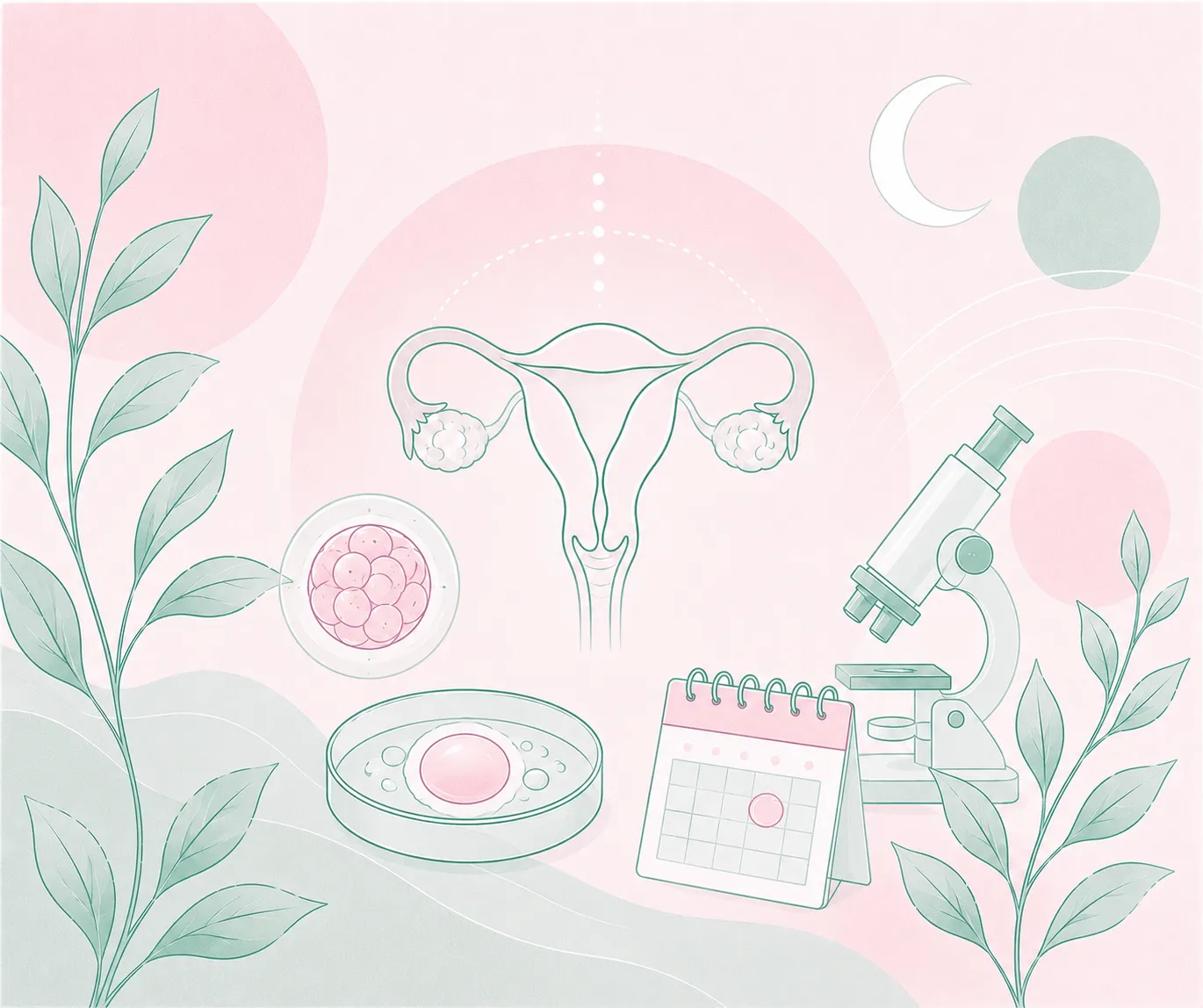
For many couples, the journey toward parenthood begins with excitement and hope. When pregnancy doesn’t happen as quickly as expected, however, it’s natural to start looking for answers. While women often undergo fertility evaluations first, reproductive health is a shared responsibility. Understanding both male and female fertility can help couples identify potential challenges earlier and make informed decisions about their next steps.
Fertility depends on a complex combination of factors, including hormone balance, age, overall health, lifestyle habits, and reproductive function in both partners. Taking a balanced approach to fertility encourages couples to work together, reducing unnecessary stress while creating a clearer picture of their reproductive health.
Fertility Involves Both Partners
It is a common misconception that fertility challenges primarily affect women. In reality, male factors contribute to a significant percentage of infertility cases, while female factors account for another large portion. In many situations, both partners may have contributing factors that influence the chances of conception.
Because pregnancy depends on healthy sperm meeting a healthy egg under the right conditions, evaluating only one partner may overlook important information. Healthcare professionals often recommend that couples approach fertility as a team, particularly if they have been trying to conceive without success for several months.
Working together also helps reduce feelings of blame or isolation. Instead of focusing on one person’s health, couples can support each other while making positive lifestyle changes that benefit their overall well-being.
Female Reproductive Health Matters
Women’s fertility is influenced by several interconnected factors. Regular ovulation, healthy hormone levels, egg quality, uterine health, and open fallopian tubes all play important roles in conception. Age is also an important consideration, as fertility naturally declines over time.
Certain medical conditions, including polycystic ovary syndrome (PCOS), endometriosis, thyroid disorders, and hormonal imbalances, can affect reproductive health. Maintaining regular gynecological checkups allows these conditions to be identified and managed early.
Tracking menstrual cycles, understanding ovulation patterns, and paying attention to changes in reproductive health can provide valuable information when planning a pregnancy. Women experiencing irregular cycles, severe menstrual pain, or other persistent symptoms should discuss these concerns with their healthcare provider.
The Importance of Male Reproductive Health
Male fertility is equally important but is often overlooked during the early stages of family planning. Healthy sperm production depends on many factors, including hormone balance, overall health, nutrition, sleep quality, and lifestyle habits.
One simple way to gain an initial understanding of male fertility is through at-home sperm test kits . These tests allow men to evaluate basic fertility indicators such as sperm concentration and, in some cases, sperm motility from the privacy of their home. They provide a convenient first step for couples who want additional information before seeking medical evaluation.
Although these tests can offer useful insights, they should be viewed as screening tools rather than complete fertility assessments. They cannot evaluate sperm morphology, identify hormonal disorders, or diagnose underlying medical conditions that may affect fertility.
Lifestyle Choices Affect Fertility for Everyone
Healthy lifestyle habits support reproductive wellness in both men and women. Eating a balanced diet rich in fruits, vegetables, whole grains, healthy fats, and lean protein provides essential nutrients that support hormone production and reproductive function.
Regular physical activity helps maintain a healthy weight, improves circulation, and supports hormone regulation. At the same time, excessive exercise or restrictive dieting may negatively affect fertility, particularly in women, by disrupting menstrual cycles.
Managing stress is another important part of reproductive wellness. While stress alone does not usually cause infertility, chronic stress can influence hormone levels, sleep quality, and overall health. Practicing mindfulness, engaging in enjoyable activities, and prioritizing rest can contribute to better physical and emotional well-being throughout the fertility journey.
Both partners should also avoid smoking, limit alcohol consumption, and discuss any medications or supplements with their healthcare provider, as some substances may affect reproductive health.
When Should Couples Consider Fertility Testing?
Many healthy couples conceive naturally within the first year of trying. However, if pregnancy has not occurred after 12 months of regular, unprotected intercourse for couples under age 35, or after six months for women over 35, it may be time to seek professional evaluation.
Earlier assessment may also be appropriate for individuals with known reproductive health conditions, previous pelvic or testicular surgery, irregular menstrual cycles, recurrent pregnancy loss, or other medical concerns that could affect fertility.
Beginning the evaluation with both partners often shortens the time needed to identify possible issues and allows healthcare providers to recommend the most appropriate next steps.
Understanding the Role of Home Fertility Tests
Home fertility tests have become increasingly popular because they offer privacy and convenience. Women may use ovulation predictor kits to identify fertile days, while men may choose at-home sperm tests to gain an initial understanding of sperm health.
These tools can help couples become more informed about their reproductive health, but they should not replace comprehensive medical evaluations. Fertility is influenced by many biological factors that home tests cannot fully measure, making professional guidance an important part of the process when concerns arise.
When used appropriately, home testing can serve as a helpful first step that encourages timely conversations with healthcare providers.
Building a Healthy Fertility Journey Together
Preparing for pregnancy involves much more than focusing on one partner’s health. Fertility is a shared journey that benefits from open communication, healthy daily habits, and a willingness to seek answers together when challenges arise.
By understanding both male and female reproductive health, couples can make informed decisions, support each other throughout the process, and recognize when professional care may be beneficial. Whether beginning with lifestyle improvements, routine health screenings, or simple at-home fertility tests, taking a balanced approach creates a stronger foundation for reproductive wellness and helps couples move forward with greater confidence and hope.