4 Stress-Management Techniques Every Woman Should Know
<p>Women experience stress differently from men due to a combination of biological, social, and cultural factors. In this guide, we will explore four effective strategies every woman can practice to…
- Published
- Written by
- Women In Balance Team
- Reading time
- 2 minutes
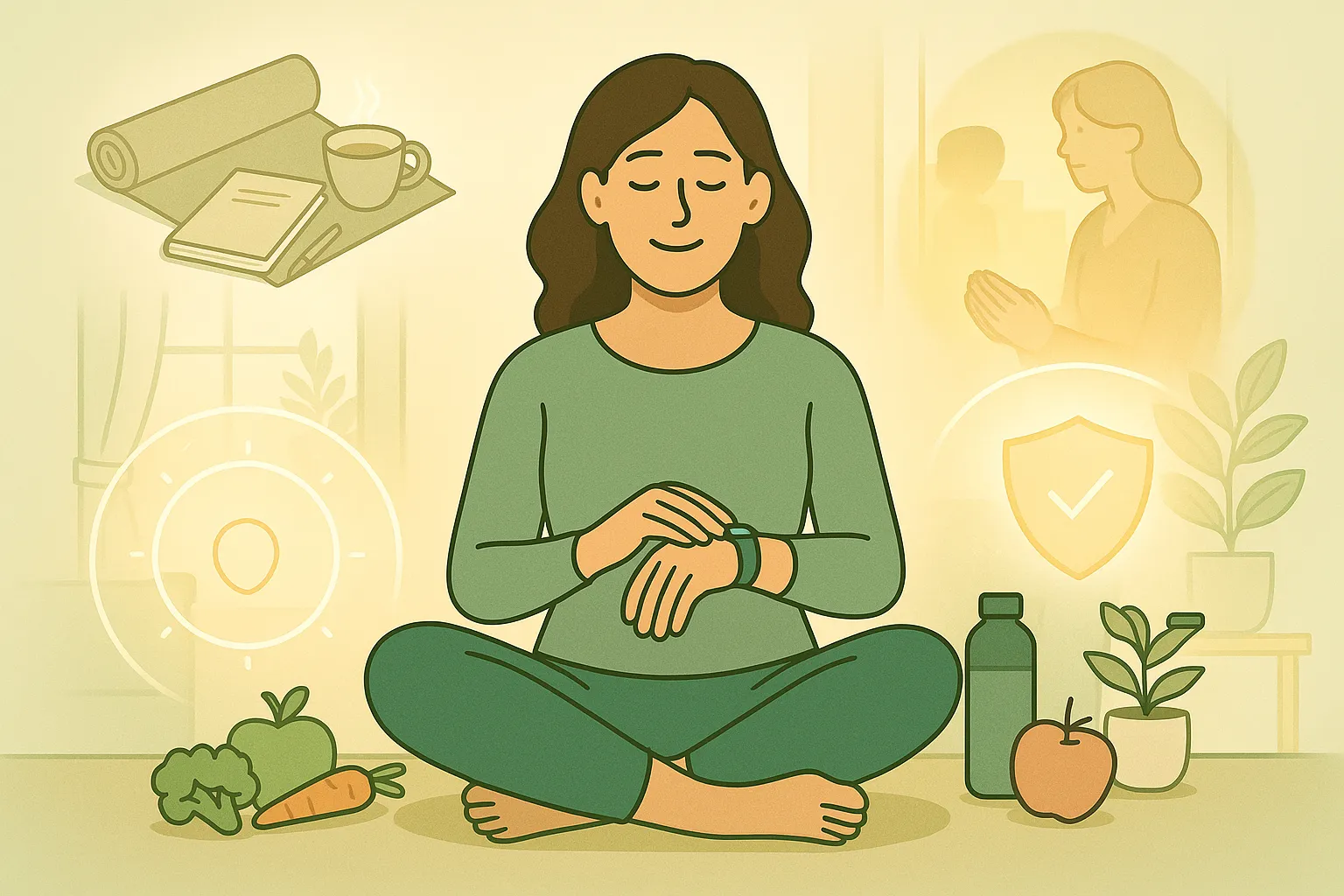
Women experience stress differently from men due to a combination of biological, social, and cultural factors. In this guide, we will explore four effective strategies every woman can practice to effectively manage stress and prioritize their overall well-being.
Focus on Self-Care
Self-care is a necessary tool for managing stress, not a selfish act. Engaging in things that bring you genuine joy and relaxation can help you stay balanced, especially when faced with life’s demands. Make it a point to exercise regularly, as physical activity is one of the most effective stress relievers.
Make sleep a non-negotiable, as chronic stress can disrupt sleep, and poor sleep makes you more susceptible to stress. Establish a relaxing bedtime routine to help your body and mind recharge. Avoid screens, rigorous activities, and caffeine before bed and aim to wake up around the same time each day.
Regardless of how hectic your schedule is, devote time to hobbies and creative outlets that can uplift your overall mood. Whether it’s reading, sewing, gardening, or sketching, integrate them into your daily routine and make them a priority.
Set Healthy Boundaries
Many women find it difficult to say no, often overcommitting and sacrificing their own needs for the sake of others. It is important that you create and enforce boundaries to protect your time, energy, and emotional well-being.
Clearly and respectfully communicate your boundaries to your family, friends, work colleagues, and other peers. If you’re uncomfortable saying no, begin by declining smaller requests. Over time, it becomes easier to decline requests that conflict with your priorities.
Learn to manage time effectively, as overloading your schedule can lead to burnout. If you’re working multiple jobs or studying at the same time, organize your tasks and break down problems into smaller, more manageable steps. If you’re interested in pursuing a career in healthcare, particularly nursing, but are unable to commit to in-person learning, look for accelerated BSN programs online and choose the one that complements your budget and schedule.
Nurture Your Body
Physical health directly impacts the ability to handle stress. Hence, cultivating sustainable, healthy habits is vital to increasing emotional and mental resilience. Make sure to eat nutritious foods, as a well-balanced diet supports optimal body function. Be mindful of emotional eating and reduce processed foods, sugar, and excessive caffeine.
Make it a habit to spend time outdoors. Even a few minutes in nature can significantly improve your mood and reduce perceived stress. Avoid unhealthy coping mechanisms like using substances to cope with stress, as this can increase your stress levels and harm your long-term health.
Know When to Seek Help
While self-care is vital, some stressors require professional guidance. If you’re feeling overwhelmed, have thoughts of harming yourself or others, are experiencing unexplained physical symptoms, or if self-care measures are insufficient to relieve stress, don’t hesitate to seek therapy or counseling.
Find a trusted and licensed mental health professional near you whom you feel comfortable with. Consult your primary care provider for referrals or contact mental health organizations. You can also use online resources or ask your trusted social network for valuable recommendations.
Endnote
Managing stress is often a complex undertaking for women. By following these tips and seeking outside guidance if necessary, you can efficiently manage your stress and prevent it from consuming your life.