Advocating for Women’s Health: How You Can Make a Difference
<p>Women’s health is not just about medical check-ups or treatments; it’s also about ensuring every woman has access to resources, support, and the respect she deserves. Across the globe, women still…
- Published
- Written by
- Women In Balance Team
- Reading time
- 5 minutes
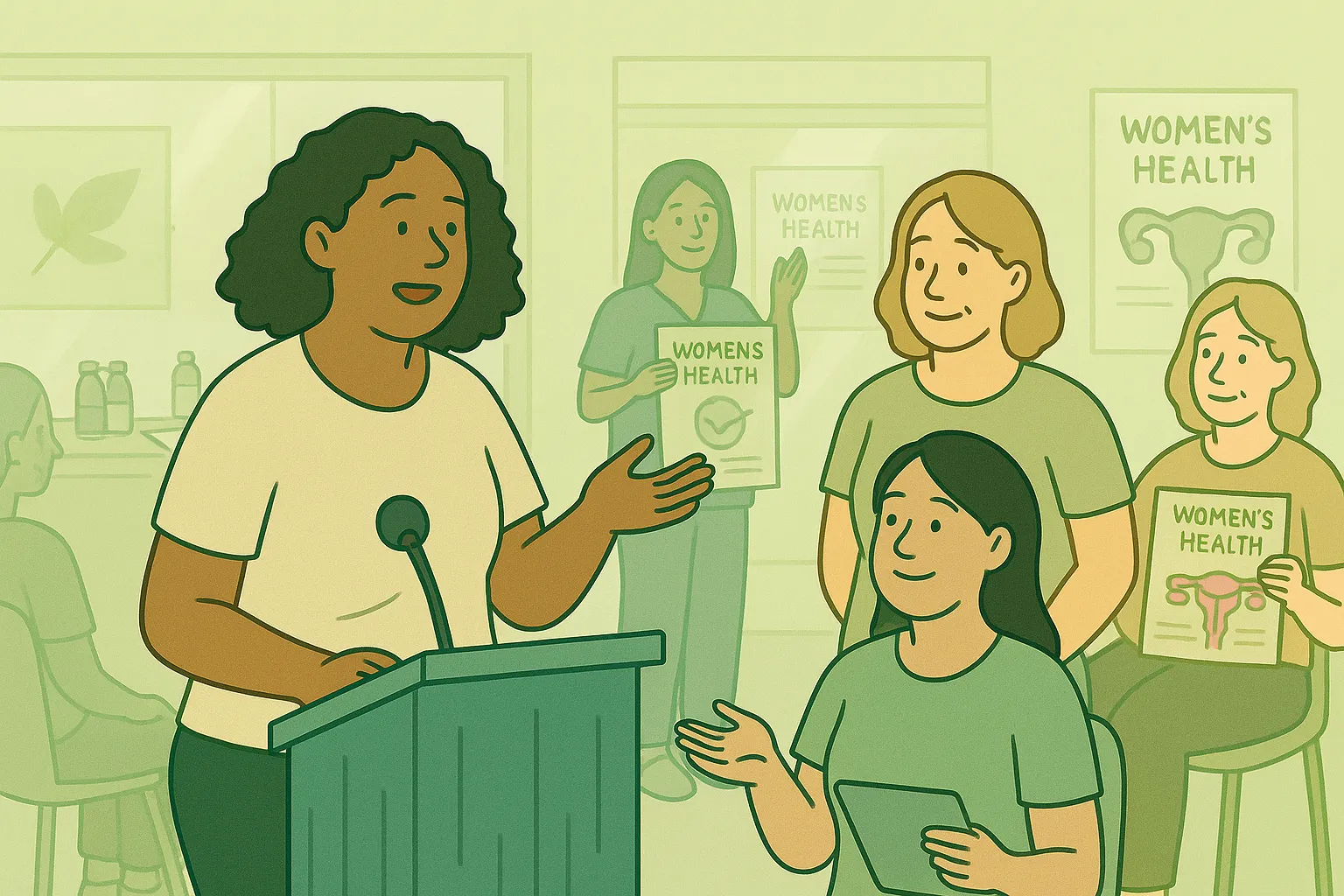
Women’s health is not just about medical check-ups or treatments; it’s also about ensuring every woman has access to resources, support, and the respect she deserves. Across the globe, women still face challenges such as limited access to reproductive care, health disparities in underserved communities, and discrimination that affects both physical and mental well-being. By stepping up as an advocate, you can push for better healthcare systems, improve awareness, and create inclusive environments where women feel empowered to prioritize their health. Whether it’s supporting education, engaging in community efforts, or raising awareness, everyone can contribute to this movement.
Here are some steps you can take to bring the right kind of change!
Raising Awareness in Your Local Community
Advocacy begins close to home. Local communities provide countless opportunities to raise awareness and foster conversations about women’s health. By organizing health fairs, hosting workshops, or establishing neighborhood support groups, individuals can create safe spaces where women can learn about preventive care and discuss sensitive topics openly. Subjects like reproductive health, menopause, or mental well-being are often avoided due to stigma, but addressing them directly breaks down barriers and encourages women to seek help when needed. Awareness campaigns do not always require large-scale efforts. Even small gatherings at community centers, libraries, or online forums can make a lasting impact when they provide accurate information.
Entering Social Work Through Education and Representation
One of the most direct ways to advocate for women’s health is by pursuing a career in social work. Social workers play a key role in connecting women to healthcare resources, supporting them through life challenges, and addressing systemic barriers that prevent fair treatment. For students from diverse backgrounds, such as the African-American community or other underrepresented groups, HBCU online social work programs provide a welcoming environment and flexible mode of learning to gain professional training. Enrolling in these programs allows individuals not only to build their careers but also to serve as advocates in their own communities. With formal education, social workers are equipped to work in hospitals, schools, and nonprofit organizations where they can focus on women facing discrimination, financial hardships, or cultural barriers to care.
Supporting Access to Preventive Care
Preventive care is one of the most effective tools for improving women’s health outcomes. Screenings, vaccinations, and routine check-ups allow health issues to be caught early, often before they become more serious. Advocates can make a difference by helping women navigate healthcare systems that may feel overwhelming or inaccessible. This could involve volunteering at local clinics, organizing rides for women who lack transportation to appointments, or speaking out about the need for affordable preventive services. Promoting preventive care is also about removing barriers such as cost and availability. Advocacy at the community or policy level helps push for expanded coverage and outreach programs, ensuring that preventive care is not limited to those with financial or geographic advantages.
Amplifying Voices Through Digital Platforms
Social media, blogs, and podcasts create powerful opportunities to share information and highlight women’s health issues. When advocates use these platforms effectively, they educate large audiences and spark important conversations. Posting resources, sharing personal stories, or creating educational content allows information to spread quickly. However, it is important to use these platforms responsibly. Misinformation can be harmful, so advocates must prioritize accuracy and credibility in everything they share.
Partnering with Organizations Focused on Women’s Health
Working with organizations that already serve women is one of the most effective ways to strengthen advocacy. Nonprofits, clinics, and women’s shelters often have the structure and resources in place but rely on community members to extend their reach. By joining forces, advocates can support programs that provide medical care, counseling, or education. Partnering with organizations also creates opportunities for training and mentorship. It allows you to learn from professionals who understand the complexities of women’s health on a deeper level. Fundraising events, supply drives, and volunteer initiatives are practical ways to make a meaningful contribution.
Promoting Mental Health as a Core Part of Women’s Health
Too often, mental health is treated as separate from physical health, but the two are deeply connected. Many women experience depression, anxiety, or trauma, yet stigma prevents them from seeking support. Advocates can make a difference by normalizing conversations around mental health and promoting resources like counseling, support groups, and therapy. Advocacy might also involve creating safe spaces where women feel comfortable sharing their experiences without judgment. At a broader level, pushing for mental health services to be included in healthcare plans is vital. When mental well-being is treated as a priority, women are more likely to lead healthier and more fulfilling lives.
A strong movement for women’s health cannot ignore the role of mental health care in achieving balance and resilience.
Empowering Women Through Education and Leadership
Education is one of the strongest tools for long-term health improvement. When women have access to education, they are better equipped to make informed choices about their health and their families’ well-being. Advocates can support this by promoting literacy programs, scholarships, or vocational training. Leadership opportunities also matter because when women lead, they inspire others to take charge of their health and their future. Mentorship programs help younger women gain confidence and direction, while community leadership roles give women a platform to address local issues. Education and leadership create ripple effects, empowering not just individuals but entire communities. When women are supported in these areas, they become strong voices in health advocacy, ensuring that progress continues across generations.
Taking Personal Action: Everyday Advocacy Matters
Advocacy does not always require grand gestures. Small, consistent actions build a culture of care and respect. Supporting women-owned businesses, donating to health programs, or simply sharing information with friends are all valuable contributions. Everyday advocacy also includes challenging discrimination when it appears, whether in workplaces, schools, or healthcare settings. Personal advocacy means standing up for fairness, even when it feels uncomfortable. It shows that every individual has power, and when that power is used for good, it strengthens the larger movement for women’s health. These personal choices may seem modest, but together they shape the kind of society where women can thrive.
Advocating for women’s health is ultimately about shaping a future that values dignity and fairness. It asks people to recognize the humanity in every woman and to act on that recognition with courage and compassion. Real progress happens when communities refuse to accept inequality as normal and when individuals commit to making change possible. Advocacy is not just about fixing problems; it is about building a foundation where women’s health is seen as a right, not a privilege. When that foundation is strong, entire societies are healthier, more resilient, and more just.