After a Difficult Birth: How Mothers Can Organize Records, Monitor Recovery, and Get Answers
A difficult birth can leave a mother feeling relieved that the delivery is over while still feeling physically exhausted and uncertain about what happened. Recovery may involve adjusting to physical…
- Published
- Written by
- Women In Balance Team
- Reading time
- 5 minutes

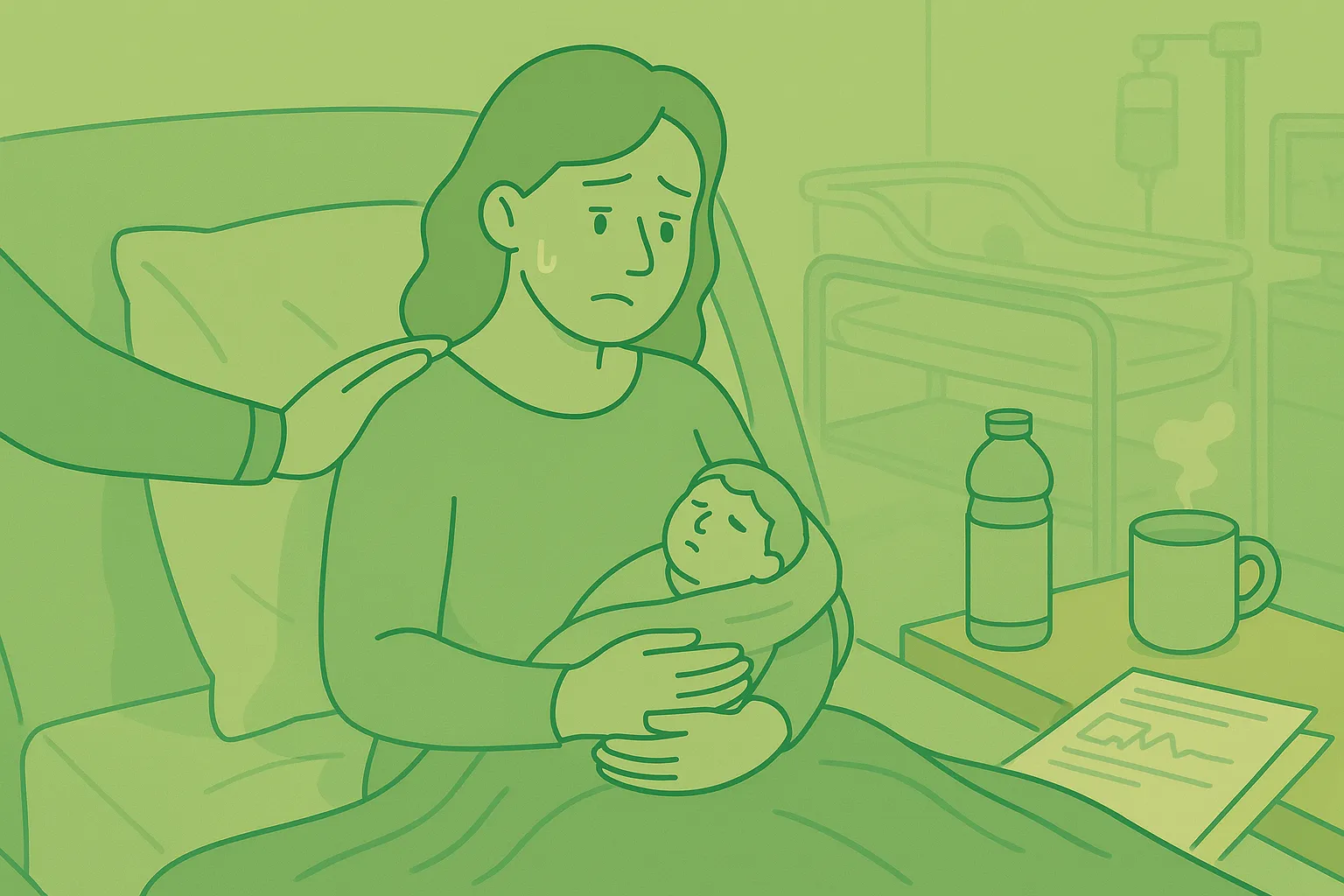
A difficult birth can leave a mother feeling relieved that the delivery is over while still feeling physically exhausted and uncertain about what happened. Recovery may involve adjusting to physical changes, caring for a newborn, and processing a stressful experience at the same time.
Healing takes time, and answers do not always come immediately. The priorities are the mother’s health, the baby’s care, and following the medical guidance provided after delivery. Records, notes, and questions can be organized gradually as recovery continues.
Put Immediate Health and Safety First
Paperwork should never delay medical attention.The CDC advises pregnant and postpartum people to seek prompt care for urgent warning signs, including heavy bleeding, chest pain, difficulty breathing, fever, severe or worsening headache, vision changes, seizures, and thoughts of harming themselves or their baby. Concerning symptoms can arise during pregnancy and for up to a year after delivery.
A newborn with breathing difficulty, feeding problems, seizures, unusual limpness, color changes, or reduced responsiveness also needs professional assessment. Mothers and caregivers should contact a healthcare professional whenever something feels unusual or concerning.
Review the Discharge Instructions Together
Discharge papers often include instructions about both the mother and baby, including medications, wound care, feeding, and follow-up appointments. Exhaustion and pain can make it difficult to remember every detail.
A partner, relative, or trusted friend can help review:
- Medication instructions and possible side effects
- Wound care, activity limits, and recovery guidance
- Blood pressure monitoring or other recommended checks
- Maternal and newborn follow-up appointments
- Specialist referrals and pending test results
Questions about treatment, medications, or feeding should always be discussed with the healthcare team. ACOG describes postpartum care as an ongoing process rather than a single visit, with care adjusted based on each mother’s needs.
Focus on Your Own Recovery, Too
After birth, many mothers naturally focus most of their attention on their baby. However, your own recovery deserves care as well. Rest when possible, accept help, stay hydrated, eat nourishing meals, and avoid returning to normal activities too quickly.
If you had a C-section, significant tearing, or another challenging recovery, healing may take longer than expected. Following wound-care instructions, attending postpartum appointments, and discussing concerns early can support a smoother recovery.
Hormonal changes after childbirth can also affect energy, sleep, and emotions. Persistent or worsening mood changes should always be discussed with a healthcare provider.
Create a Factual Delivery Timeline
A simple timeline can help organize important details about the birth experience. It does not need medical conclusions or complex explanations.
Useful entries may include:
- Arrival at the hospital and major symptoms
- Tests, medications, and procedures discussed
- Changes to the delivery plan
- Emergency interventions or important decisions
- Delivery details and newborn evaluation
- Diagnoses, treatments, and discharge information
For example: “The care team discussed a change in the baby’s heart rate during labor” is more useful than assuming why a medical decision was made.
Request Maternal and Newborn Records
Medical records can help with ongoing care, second opinions, and better understanding what happened during delivery. Mothers may request records from the hospital, obstetric provider, pediatric team, NICU, or specialists involved in care.
Relevant records may include:
- Prenatal and labor records
- Nursing and medication records
- Operative or C-section report
- NICU records, if applicable
- Laboratory and imaging results
- Maternal and newborn discharge summaries
Medical records often contain technical language, so questions about abbreviations, test results, or procedures should be discussed with qualified healthcare professionals.
Track Maternal Recovery Separately
After a complicated delivery, the baby’s care can become the main focus while the mother’s recovery receives less attention. A brief daily or weekly log can help explain changes during medical appointments.
The log might include:
- Pain and mobility
- Bleeding
- Blood pressure readings, when instructed
- Incision or wound healing
- Medication effects
- Sleep and fatigue
- Feeding challenges
- Follow-up appointments
- Mood, anxiety, or distress
- Pelvic floor discomfort, urinary symptoms, or bowel changes
The purpose is communication, not self-diagnosis. A short record can show whether a concern began suddenly, continued for several days, or changed after treatment.
This helps families that suspect a preventable medical error contributed to a child’s condition. They may then use the gathered information to consult a birth injury lawyer to learn how records are reviewed and which legal standards could apply.
Keep a Separate Record of the Baby’s Care
Keeping the baby’s information in a separate folder or digital file can make future appointments easier. Record diagnoses as explained by healthcare professionals, along with appointment dates, treatments, medications, tests, and follow-up recommendations.
Keeping organized notes helps parents communicate clearly with pediatricians and specialists while tracking the baby’s care over time.
Support Your Emotional Well-Being
A challenging birth experience can affect emotional health after leaving the hospital. Feeling anxious, overwhelmed, disappointed, or emotional does not mean you are failing as a mother. Birth recovery involves both physical and emotional healing.
Many women benefit from talking with a partner, trusted family member, healthcare provider, or mental health professional. If feelings of hopelessness, anxiety, or difficulty caring for yourself or your baby continue, seek support promptly.
Prepare Focused Questions for Appointments
Written questions can help mothers make the most of limited appointment time. Useful questions include:
- What happened during labor and delivery?
- Why did the delivery plan change?
- What does my medical record show?
- What symptoms should I watch for during recovery?
- Does my baby need additional follow-up?
- Would another medical opinion be helpful?
Ask healthcare providers to explain unfamiliar terms in simple language. Bringing someone along to take notes can also make appointments easier to manage.
Consider an Independent Review Where Questions Continue
Some families continue to have questions after a difficult delivery. Speaking with the treating healthcare team or seeking another qualified medical opinion may help provide clarity. Any review should happen alongside continued medical care and follow-up.
Document Expenses and Practical Effects
A complicated birth can create additional costs and practical challenges. Keeping organized records may help with financial planning, insurance discussions, or other reviews.
Save copies of:
- Medical bills and insurance statements
- Prescription and equipment receipts
- Therapy or specialist expenses
- Travel and appointment-related costs
- Childcare or missed-work documentation
Begin With What Feels Manageable
Recovering from a difficult birth is a process that takes time. Some days may feel easier than others, and it is important to allow yourself space to heal physically and emotionally.
Following medical advice, attending postpartum appointments, asking questions, and caring for your own well-being are important parts of recovery. Taking care of yourself is also an essential part of caring for your baby.
This article is provided for general educational and wellness information only. It is not a substitute for individualized medical or legal advice. Anyone experiencing urgent or concerning symptoms should contact a qualified healthcare professional or seek emergency medical assistance.