Breathing Through Discomfort: Chest and Rib Care for Women During Hormonal Transitions
<p>Women’s bodies go through many changes during different life stages. From pregnancy to menopause, hormonal shifts can affect every part of the body, including the chest and rib area. These changes…
- Published
- Written by
- Women In Balance Team
- Reading time
- 4 minutes
Women’s bodies go through many changes during different life stages. From pregnancy to menopause, hormonal shifts can affect every part of the body, including the chest and rib area. These changes often bring unexpected discomfort, tightness, and breathing challenges that many women don’t know how to handle.
Understanding how to care for your chest and ribs during these times can make a huge difference in daily comfort and overall well-being.
Why Hormonal Changes Affect Your Chest and Ribs
Hormones like estrogen and progesterone don’t just affect reproductive organs. They also impact muscles, joints, and even the way your rib cage moves when you breathe. During pregnancy, the growing baby pushes up against the ribs, while changing hormone levels make ligaments more flexible.
This combination can create unusual pressure and discomfort in the chest area. Menopause brings its own challenges, as dropping estrogen levels can affect bone density and muscle tone around the ribs, making them more sensitive to daily activities.
Common Discomforts Women Experience
Many women notice their chest feels tight or their ribs ache during hormonal transitions. Pregnancy often brings sharp pains under the ribs, especially on the right side where the liver sits. Some women feel like they can’t take deep breaths, or they get winded more easily than usual.
During menopause, the chest muscles might feel stiff in the morning, and even simple movements like reaching overhead can cause discomfort. These symptoms are normal, but they definitely need attention and care.
Breathing Techniques for Relief
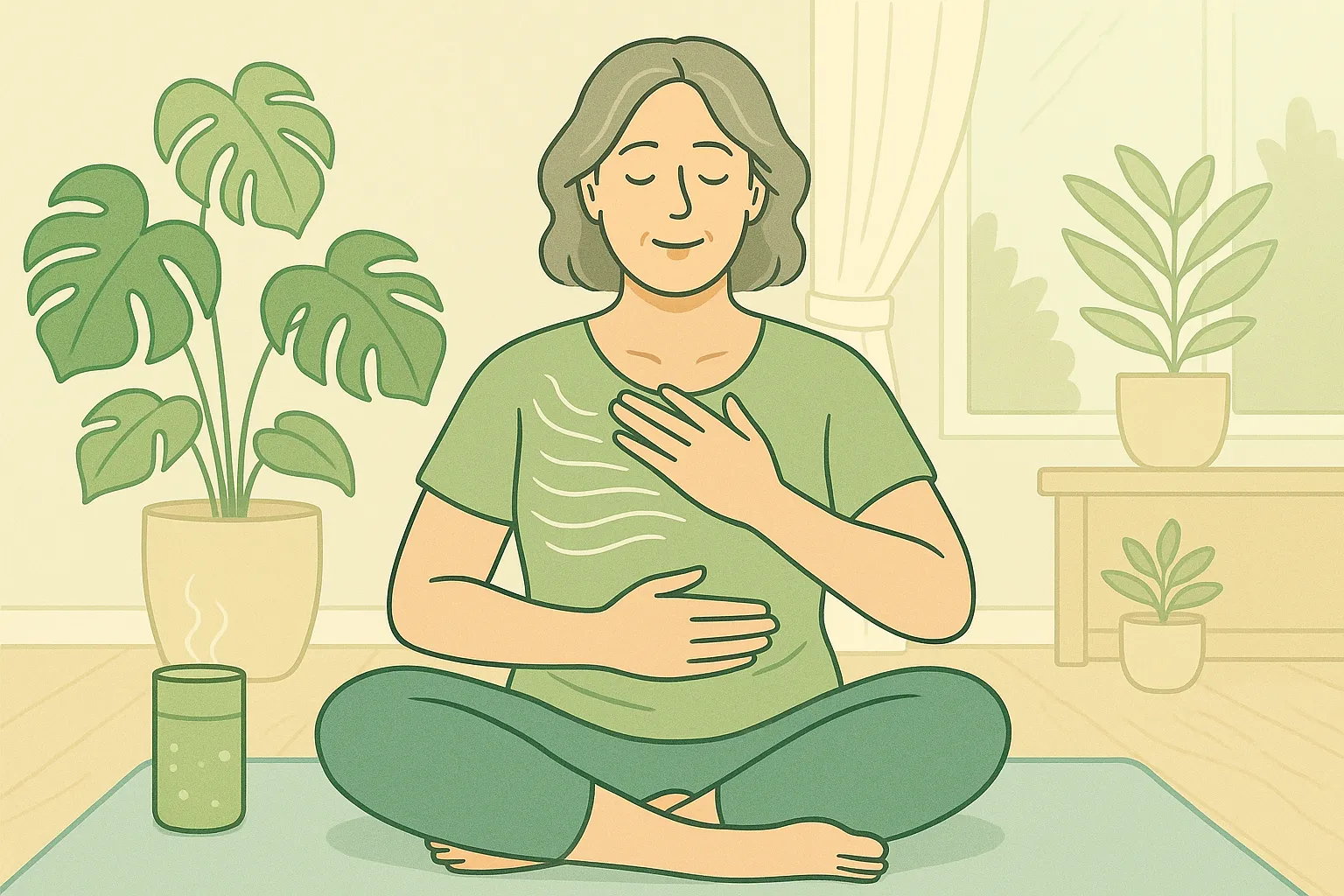
Simple breathing exercises can work wonders for chest and rib discomfort. Try sitting up straight and placing one hand on your chest and the other on your belly. Breathe in slowly through your nose, letting your belly rise more than your chest.
Hold for a few seconds, then breathe out slowly through your mouth. This technique helps relax tight muscles around the ribs and gives your lungs more room to expand. Doing this for just five minutes a few times a day can reduce tension and improve comfort.
Gentle Movement and Stretching
Light stretching can help keep the muscles around your ribs flexible and strong. Simple arm circles, gentle side bends, and shoulder rolls can prevent stiffness from building up. Cat-cow stretches, where you arch and round your back while on hands and knees, are particularly helpful for opening up the rib cage.
These movements also improve blood flow to the area, which helps with healing and comfort. Even women dealing with more serious issues, including those learning expert ways to heal a bruised rib, benefit from gentle, consistent movement when approved by their healthcare provider.
When to Seek Professional Help
While some discomfort during hormonal changes is normal, certain symptoms need medical attention. Sharp, severe pain that doesn’t go away, trouble breathing, or pain that gets worse with movement could signal something more serious.
Women should also see a doctor if chest pain comes with dizziness, nausea, or pain that spreads to the arms or jaw. A healthcare provider can rule out serious conditions and suggest specific treatments for your situation.
Creating a Supportive Environment
Making small changes to your daily routine can provide ongoing relief. Using extra pillows to support your chest while sleeping can reduce overnight discomfort. Wearing a well-fitted, supportive bra helps distribute weight evenly and reduces strain on the rib muscles.
Heat therapy, like a warm bath or heating pad on a low setting, can relax tight muscles around the ribs. Stress management through relaxation techniques also helps, since tension often makes physical discomfort worse.
Lifestyle Adjustments for Ongoing Chest Comfort
Creating a daily routine that supports chest and rib comfort can make a real difference during hormonal shifts. Staying hydrated throughout the day keeps your tissues and ligaments more supple, which helps reduce tightness around the ribs. A diet rich in magnesium, calcium, and omega fatty acids supports stronger bones and calmer muscles, which is especially important during times like menopause when bone density may decrease. Even small changes like adding leafy greens, nuts, and seeds can help your upper body feel more stable.
Gentle daily activities are just as important. Short walks or low-impact yoga sessions improve circulation and stop the chest area from becoming stiff. These gentle movements help maintain flexibility without straining the rib cage.
Building Awareness of Your Body’s Signals
Our bodies often give us subtle warnings before discomfort becomes serious, but many women ignore these signs while focusing on other responsibilities. Paying close attention to small changes—like shallow breathing when stressed or a pulling sensation near the ribs when lifting something—allows you to act early. When you respond to these signals with a break, a stretch, or a breathing exercise, you prevent the tension from turning into lasting pain. This kind of awareness isn’t about worrying—it’s about staying in tune with what your body needs at each moment.
Over time, this mindful approach builds a healthier relationship with your body. Instead of pushing through discomfort or brushing it off as normal, you start to see these signals as helpful guides. This mindset shift leads to better long-term chest comfort and teaches your body that it can trust you to respond with care.
Conclusion
Taking care of your chest and ribs during hormonal transitions doesn’t have to be complicated. Simple breathing exercises, gentle stretching, and knowing when to seek help can make these challenging times much more comfortable. Every woman’s experience is different, so what works for one person might need adjusting for another.
The key is being patient with your body as it changes and finding the combination of techniques that work best for you. With the right approach, you can breathe easier and feel more comfortable throughout any hormonal transition.