Common Triggers That Lead Women to Bite Their Nails
<p>Nail biting, or onychophagia, is a habit that many women struggle with, often without realizing how deeply rooted it is in emotional, psychological, and situational triggers. While it might seem…
- Published
- Written by
- Women In Balance Team
- Reading time
- 4 minutes
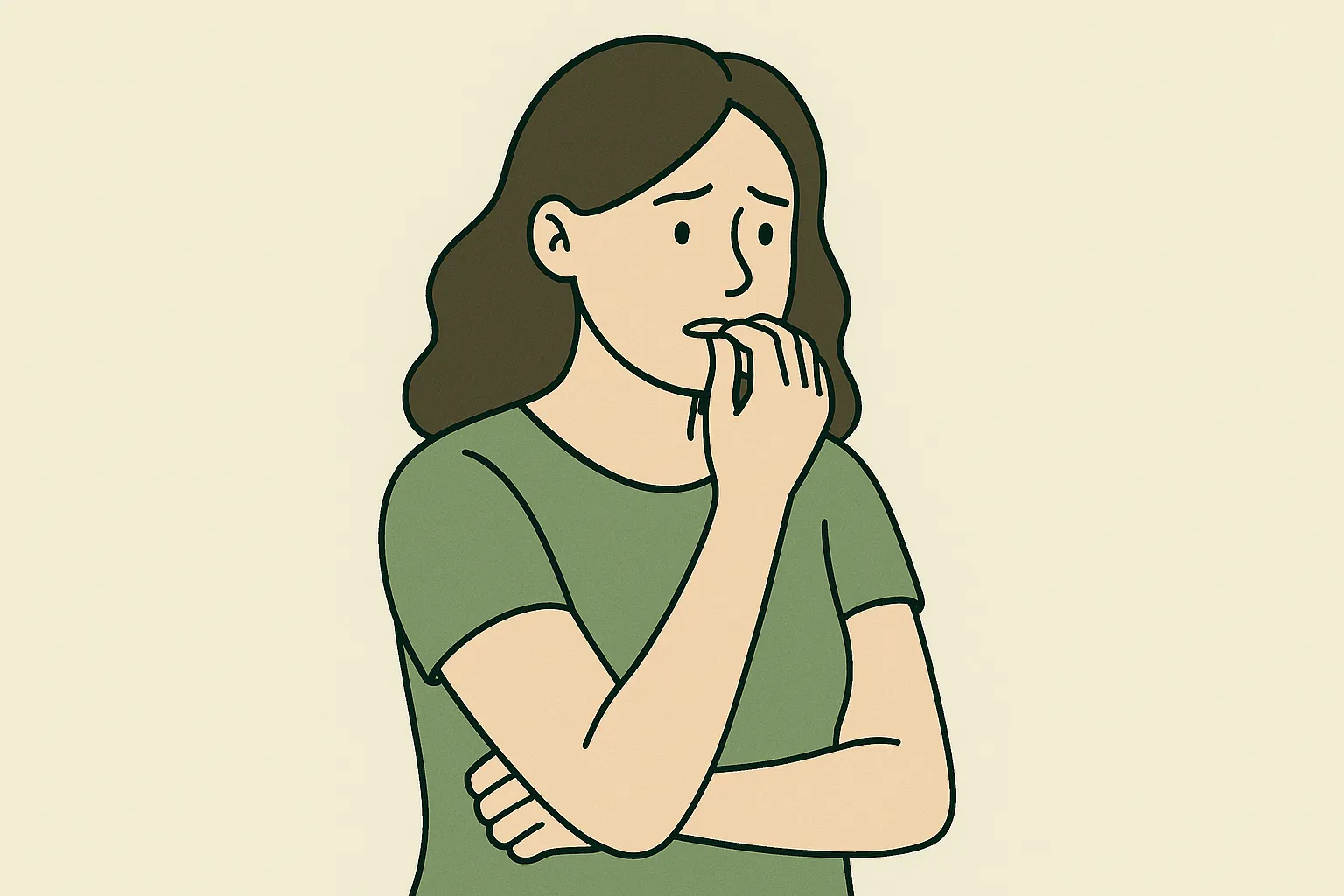
Nail biting, or onychophagia, is a habit that many women struggle with, often without realizing how deeply rooted it is in emotional, psychological, and situational triggers. While it might seem like a small or harmless behavior, nail biting can negatively impact confidence, appearance, and even health. Understanding what drives this behavior is the first step toward addressing it effectively. Many women bite their nails in response to stress, boredom, or emotional discomfort, while others do so almost unconsciously during specific situations. By recognizing the common triggers that lead women to bite their nails, it becomes easier to find healthier coping mechanisms and break free from this persistent habit.
Stress and Anxiety as a Primary Trigger
One of the most common reasons women bite their nails is stress. When anxiety levels rise, whether due to work, family responsibilities, or financial concerns, nail biting often serves as a physical outlet for nervous energy. For many women, it becomes a coping mechanism to temporarily ease tension, similar to fidgeting or tapping a foot. The repetitive action of biting nails can provide a brief sense of control in moments that feel overwhelming. This relief is short-lived and often followed by frustration over the damage done to nails.
Habitual and Subconscious Behavior
For many women, nail biting is less about stress or boredom and more about habit. The behavior becomes subconscious, occurring almost automatically without conscious thought. People find themselves biting their nails while watching TV, reading, or even during conversations, barely noticing the action until the nails are damaged. Understanding this pattern is crucial for breaking the cycle. Learning how to stop biting your nails can involve strategies like keeping nails polished, applying a safe deterrent, or practicing mindfulness to catch the behavior in the moment. By recognizing and addressing these subconscious triggers, it becomes possible to gradually replace nail biting with healthier, intentional habits that protect nail health.
Boredom and Idle Hands
Boredom is another frequent trigger, particularly when nothing is engaging to occupy the mind or hands. Many women find themselves biting their nails while waiting in line, watching television, or scrolling through social media. Unlike stress-driven biting, boredom-induced nail biting happens more out of habit than emotional need, making it a way to fill the gaps in activity. This kind of automatic response often goes unnoticed until significant nail damage has occurred. Combatting boredom-related biting can involve keeping hands occupied with alternative activities, such as doodling, knitting, or using a stress ball. By keeping the hands busy, the brain has less opportunity to default to nail biting.
Perfectionism and Grooming Habits
Perfectionism can play a significant role in nail biting. Many women notice a small chip, uneven edge, or rough texture on a nail and instinctively bite it to “fix” the flaw. While this may begin as an attempt to groom or perfect the nails, it often spirals into excessive biting that damages the nail beds and surrounding skin. Women who hold themselves to high aesthetic standards may feel compelled to keep their nails looking uniform and neat, which ironically leads to more harm than good. Awareness of this trigger can encourage the use of nail files, clippers, or professional manicures as healthier alternatives to maintaining nail appearance without resorting to biting.
Emotional Discomfort and Negative Feelings
Emotional discomfort can drive women to bite their nails. In these situations, nail biting often functions as a form of self-soothing. It becomes a way to channel emotions that are difficult to express verbally or manage in healthier ways. For some, the act provides a distraction from unpleasant thoughts or feelings, helping them momentarily escape from emotional distress. This coping strategy often adds to feelings of guilt or shame afterward if it leads to visibly damaged nails. Developing healthier emotional outlets, such as practicing mindfulness or talking with a trusted friend, can reduce reliance on nail biting as a coping mechanism.
Environmental and Social Influences
Women are influenced by their surroundings when it comes to nail biting. For example, being in an environment where others frequently bite their nails can make the behavior more socially acceptable or even contagious. High-pressure social situations, such as job interviews or first dates, may trigger nail biting as a response to heightened nervousness. Certain environments may increase the likelihood of biting due to stress or boredom. Understanding these environmental and social triggers can empower women to anticipate high-risk situations and prepare healthier coping strategies in advance, such as chewing sugar-free gum or carrying a fidget tool.
Nail biting may seem like a small or harmless habit, but it often stems from deeper emotional, psychological, or situational triggers. Stress, boredom, perfectionism, emotional discomfort, social environments, and habitual behavior are among the most common factors that drive women to bite their nails. By recognizing and understanding these triggers, women can take steps toward healthier coping mechanisms that preserve their nails and their confidence. Whether through stress management techniques, alternative hand activities, or mindfulness practices, breaking the cycle of nail biting begins with awareness and intentional change.