Does Progesterone Cause Weight Gain? What You Need to Know
<p>Progesterone can cause weight gain by increasing water retention and stimulating appetite. This effect is more common during hormonal fluctuations such as pregnancy, menopause, or when using…
- Published
- Written by
- Women In Balance Team
- Reading time
- 10 minutes
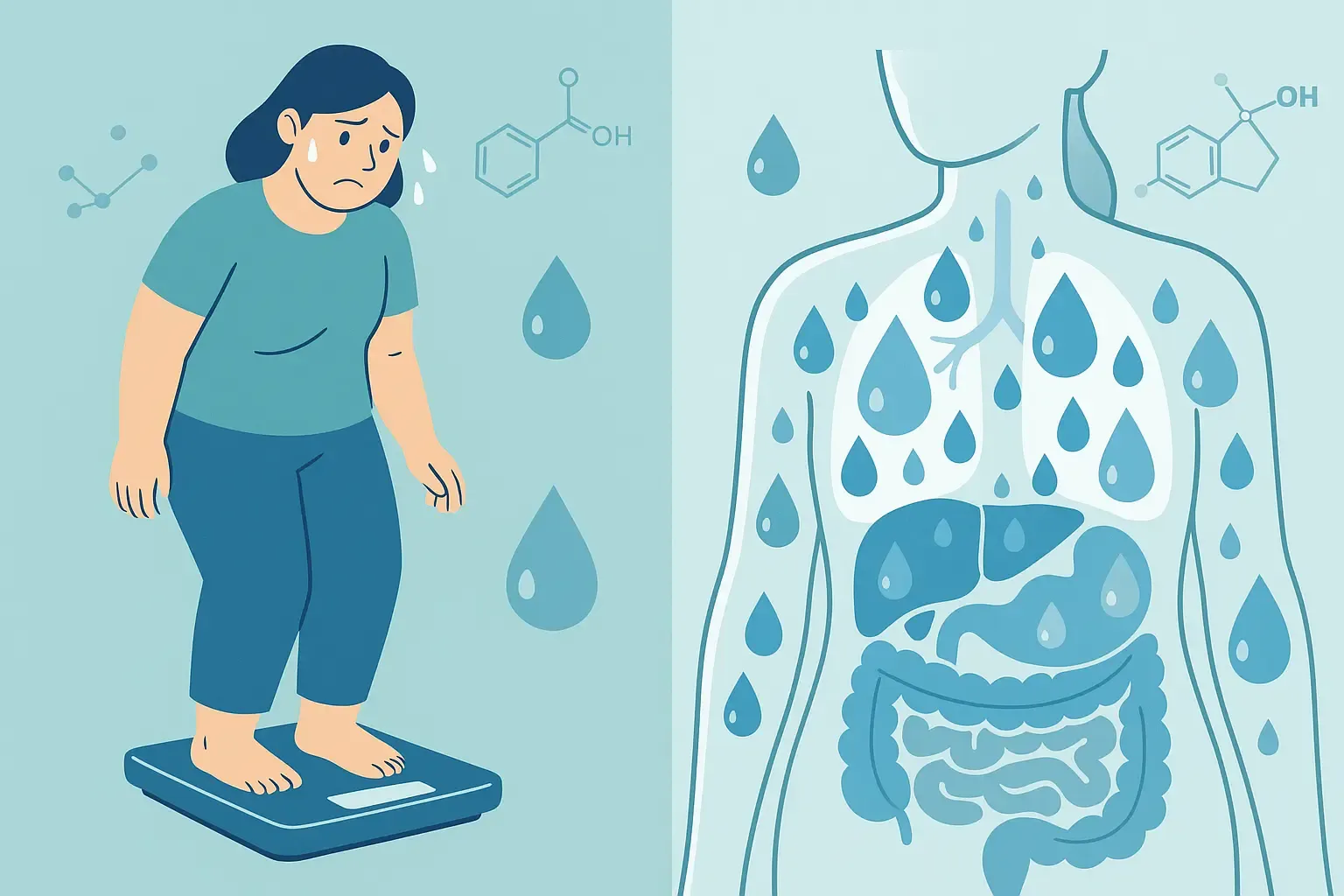
Progesterone can cause weight gain by increasing water retention and stimulating appetite. This effect is more common during hormonal fluctuations such as pregnancy, menopause, or when using certain hormone therapies. Not all individuals experience weight gain, and lifestyle factors also influence outcomes.
Key Takeaways
- Progesterone may cause temporary weight fluctuations – Most weight gain is due to water retention and bloating rather than actual fat gain
- Individual responses vary significantly – Some people experience no weight changes while others notice 2-5 pounds of water weight
- Type matters – Natural progesterone typically causes fewer side effects than synthetic progestins used in birth control
If you’ve started taking progesterone and noticed the scale creeping up, you’re not alone in wondering whether this hormone is behind your weight gain. Progesterone is a crucial reproductive hormone that many women take for various reasons – from hormone replacement therapy during menopause to fertility treatments and birth control. While weight changes are among the most commonly reported concerns, the relationship between progesterone and weight gain isn’t as straightforward as it might seem. Understanding what’s really happening in your body can help you make informed decisions about your treatment and manage any changes you might experience.
Is There a Link Between Progesterone and Weight Gain?
The relationship between progesterone and weight gain is complex and often misunderstood. Research shows that while many people report weight changes when taking progesterone, the evidence for direct causation is mixed and often overstated.
Studies examining progesterone’s effects on weight have produced varying results. Some clinical trials show minimal weight changes – typically 1-3 pounds over several months – while others report no significant difference compared to placebo groups. The challenge lies in distinguishing between actual fat gain, temporary water retention, and other factors that might influence weight during the same period.
What many people experience as “weight gain” is often bloating and water retention rather than an increase in body fat. This distinction is crucial because water weight fluctuates daily and can be managed differently than fat gain. The temporary nature of these changes means that stopping progesterone often leads to a quick return to baseline weight, suggesting that true fat accumulation isn’t the primary mechanism.
Additionally, many factors coincide with progesterone use that can independently affect weight. Women starting hormone replacement therapy are often going through menopause, a time when metabolic changes naturally occur. Those using progesterone for fertility treatments may be making lifestyle changes or experiencing stress that impacts eating habits. These overlapping factors make it difficult to pinpoint progesterone as the sole cause of weight changes.
How Progesterone Might Contribute to Weight Gain
While progesterone may not directly cause significant fat gain, it can influence your body in ways that affect the number on the scale and how you feel in your clothes.
Water Retention and Bloating
Progesterone has a mild diuretic effect initially, but with continued use, it can lead to increased water retention. This happens because progesterone affects the renin-angiotensin system, which regulates fluid balance in your body. The hormone can cause your kidneys to retain more sodium, and where sodium goes, water follows.
This water retention typically appears as bloating in the abdomen, swelling in the hands and feet, and a general feeling of puffiness. Many women notice their rings feel tighter or their clothes fit differently around the midsection. The good news is that this type of weight gain is temporary and usually resolves when progesterone levels stabilize or when treatment is discontinued.
The timing of water retention often correlates with when you take progesterone. Some people find that taking it at night reduces daytime bloating, while others notice patterns related to their menstrual cycle if they’re still having periods.
Changes in Appetite
Progesterone can influence appetite and food cravings, though individual responses vary considerably. Some research suggests that progesterone may increase appetite by affecting neurotransmitters in the brain that control hunger and satiety signals.
Many women report increased cravings for carbohydrates and comfort foods while taking progesterone. This may be partly due to the hormone’s calming, sedative-like effects, which can trigger emotional eating patterns in some individuals. The increased appetite doesn’t necessarily lead to weight gain if you’re aware of it and make conscious food choices, but unconscious overeating can contribute to gradual weight accumulation.
Interestingly, some people experience the opposite effect, with progesterone reducing their appetite or causing mild nausea that leads to decreased food intake. These individual variations highlight why some people gain weight while others maintain or even lose weight on progesterone therapy.
Fat Distribution
While progesterone may not significantly increase total body fat, it can influence where fat is stored in the body. Some studies suggest that progesterone promotes fat storage in the hips and thighs rather than the abdominal area, which is actually considered a healthier pattern of fat distribution.
This redistribution effect may make some women feel like they’re gaining weight even if the scale doesn’t change dramatically. Clothes may fit differently, particularly around the hips and thighs, leading to the perception of weight gain even when total body weight remains stable.
The mechanism behind this redistribution involves progesterone’s interaction with other hormones and its effects on lipoprotein lipase, an enzyme that helps store fat in cells. However, this effect is generally modest and varies significantly between individuals based on genetics, age, and overall hormone balance.
Other Factors That Could Influence Weight
When evaluating whether progesterone is causing weight gain, it’s essential to consider the broader context of factors that might be influencing your weight simultaneously.
Estrogen levels play a crucial role alongside progesterone. During menopause, declining estrogen levels can slow metabolism and promote abdominal fat storage. If you’re taking progesterone as part of hormone replacement therapy, the combination of changing estrogen and progesterone levels creates a complex hormonal environment that affects weight in multiple ways.
Age-related metabolic changes naturally occur regardless of hormone use. After age 30, muscle mass typically decreases by about 3-8% per decade, which slows your metabolic rate. This means you burn fewer calories at rest, making weight gain more likely even with the same eating and exercise habits.
Lifestyle factors often change when people start hormone therapy. Menopausal women may become less active due to symptoms like fatigue or joint pain. Stress from dealing with hormonal symptoms can trigger emotional eating or disrupt sleep patterns, both of which affect weight regulation.
Medications commonly prescribed alongside progesterone can influence weight. Antidepressants, blood pressure medications, and other treatments for menopausal symptoms may have weight-related side effects that compound any effects from progesterone.
Sleep quality often improves with progesterone therapy due to its calming effects, but if you’re still experiencing sleep disruptions, this can affect hormones that regulate hunger and metabolism, potentially contributing to weight changes.
Taking a holistic view of these factors helps you and your healthcare provider determine whether progesterone is truly responsible for weight changes or if other interventions might be more effective for weight management.
Differences Between Natural and Synthetic Progesterone
The type of progesterone you’re taking can significantly impact your likelihood of experiencing weight-related side effects, making this distinction crucial for understanding your individual response.
Natural progesterone (also called bioidentical progesterone) has the same molecular structure as the progesterone your body produces naturally. Common forms include micronized progesterone capsules and vaginal gels. Studies suggest that natural progesterone is less likely to cause significant weight gain compared to synthetic alternatives.
Synthetic progestins, found in many birth control pills and some hormone replacement therapies, have modified molecular structures that can produce different effects in the body. Common synthetic progestins include medroxyprogesterone acetate (Provera), norethindrone, and levonorgestrel. These compounds often have stronger effects on appetite, water retention, and fat storage compared to natural progesterone.
Delivery methods also matter. Oral progesterone is processed through the liver, which can affect how your body metabolizes the hormone and may increase the likelihood of side effects. Vaginal progesterone bypasses liver metabolism, potentially reducing systemic side effects including weight changes. Topical progesterone creams provide another option, though absorption can be variable.
Dosage considerations play a role in weight effects. Higher doses of any form of progesterone are more likely to cause side effects, including weight changes. Your healthcare provider can help determine the lowest effective dose for your specific needs.
Understanding these differences can help you have informed discussions with your healthcare provider about which type of progesterone might be best for your situation, especially if weight management is a primary concern.
How to Manage Weight While on Progesterone
If you’re experiencing weight changes while taking progesterone, several strategies can help you maintain a healthy weight and feel more comfortable in your body.
Monitor your eating patterns by keeping a food diary for a few weeks to identify any changes in appetite or cravings. Many people find that awareness alone helps them make better food choices. Focus on eating regular, balanced meals with adequate protein to help maintain stable blood sugar levels and reduce cravings.
Stay hydrated to help your body manage water retention more effectively. While it seems counterintuitive, drinking more water actually helps reduce bloating by supporting proper kidney function and reducing sodium retention. Aim for 8-10 glasses of water daily, and consider reducing sodium intake to minimize water retention.
Maintain regular exercise even if you don’t feel like it. Physical activity helps regulate hormones, reduce bloating, and maintain muscle mass. Even gentle activities like walking, swimming, or yoga can make a significant difference in how you feel and help prevent gradual weight gain, plus these exercises are great for maintaining hip health at the same time.
Track your weight patterns rather than focusing on daily fluctuations. Weigh yourself at the same time each day (preferably in the morning) and look for trends over weeks rather than days. Consider taking body measurements as well, since changes in body composition might not always show up on the scale.
Optimize your sleep since progesterone can be sedating. While this might help with sleep quality, some people feel groggy the next day, which can affect food choices and activity levels. Taking progesterone at bedtime often minimizes daytime drowsiness.
Consider timing if you’re taking oral progesterone. Some people find that taking it with food reduces nausea, while others prefer taking it on an empty stomach to maximize absorption. Work with your healthcare provider to find the timing that works best for your body and schedule.
Consult your healthcare provider if you experience rapid weight gain (more than 2-3 pounds per week), severe bloating that doesn’t improve, or any other concerning symptoms. They may need to adjust your dose, change the type of progesterone, or investigate other causes for your weight changes.
Conclusion
The relationship between progesterone and weight gain is more nuanced than a simple cause-and-effect scenario. While some people do experience weight fluctuations when taking progesterone, most changes are due to temporary water retention and bloating rather than actual fat gain. Understanding this distinction can help reduce anxiety about the scale and focus your attention on more effective strategies for long-term weight management.
Remember that individual responses to progesterone vary significantly based on factors like the type of progesterone used, dosage, delivery method, and your unique physiology. What matters most is how you feel overall and whether the benefits of progesterone therapy outweigh any side effects you might experience.
Take action today by having an honest conversation with your healthcare provider about your weight concerns and progesterone therapy. Together, you can develop a personalized plan that addresses both your hormonal needs and your weight management goals, ensuring you get the benefits of treatment while feeling comfortable and confident in your body.
Frequently Asked Questions
Are there progesterone-free hormone therapies?
Yes, there are several hormone therapy options that don’t include progesterone. For women who have had a hysterectomy, estrogen-only therapy is often prescribed since progesterone’s main role in hormone replacement is to protect the uterine lining. Other alternatives include selective estrogen receptor modulators (SERMs), which provide some estrogen-like benefits without traditional hormone replacement. Some women also find relief from menopausal symptoms through non-hormonal approaches like certain antidepressants, gabapentin, or natural supplements, though these may not address all the same health benefits that progesterone provides.
What time of day should you take progesterone to avoid side effects?
Most healthcare providers recommend taking oral progesterone at bedtime to take advantage of its natural sedative effects and minimize daytime drowsiness. Taking it 1-2 hours before sleep can help you fall asleep more easily while reducing the likelihood of feeling groggy the next day. If you experience morning nausea or dizziness, bedtime dosing usually eliminates these issues. However, some people find that taking progesterone with dinner works better for their schedule and still provides the sleep benefits. The key is consistency – take it at the same time each day to maintain stable hormone levels and minimize side effects.