Emotional Balance as a Foundation for a Woman’s Wellbeing
<p>Emotional balance often gets treated like a bonus, something you work on after you’ve handled your responsibilities, your relationships, and everyone else’s needs. In reality, though, emotions…
- Published
- Written by
- Women In Balance Team
- Reading time
- 5 minutes
Emotional balance often gets treated like a bonus, something you work on after you’ve handled your responsibilities, your relationships, and everyone else’s needs. In reality, though, emotions shape how you experience every part of your life. When they’re off, even small things can feel heavy. When they’re steady, you have more patience, clarity, and energy to show up as yourself. For many women, emotional ups and downs are so normalized that they’re easy to dismiss. You might tell yourself you’re just tired, stressed, or “too sensitive.” But living in a constant state of emotional strain isn’t something you’re meant to simply push through. It’s a signal, one that deserves attention, not judgment.
What Emotional Balance Really Means for You as a Woman
Emotional balance doesn’t mean feeling calm all the time or never getting overwhelmed. It means being able to experience your emotions without feeling controlled by them.
You still feel sadness, frustration, excitement, and joy, but they don’t completely take over your thoughts, your body, or your decisions. With inner peace and balance established, your reactions tend to feel proportionate. A stressful email doesn’t ruin your entire day. A disagreement doesn’t spiral into hours of self-doubt. You’re able to pause, process what you’re feeling, and respond in a way that feels aligned with who you are, not driven by emotional overload.
Why Women Are Especially Vulnerable to Emotional Imbalance
One word: hormones.Hormonal changes play a major role in emotional balance, and they happen repeatedly throughout your life. Your menstrual cycle, pregnancy, postpartum changes, and menopause all influence how your brain processes emotions, stress, and regulation. These shifts affect the chemical systems in the brain that help keep your mood steady, which is why emotional changes can feel sudden or hard to predict.
For some women, this sensitivity runs deeper than hormones alone. The way your brain regulates mood can be naturally more reactive, meaning emotional responses linger longer or feel more intense, even when you’re doing “all the right things.”
On top of biology, many women carry a heavy emotional load. You’re often expected to be emotionally available, supportive, and composed, even when you’re running on empty. Over time, this constant self-regulation can lead to emotional fatigue, where your reactions feel sharper, and your tolerance for stress gets lower.
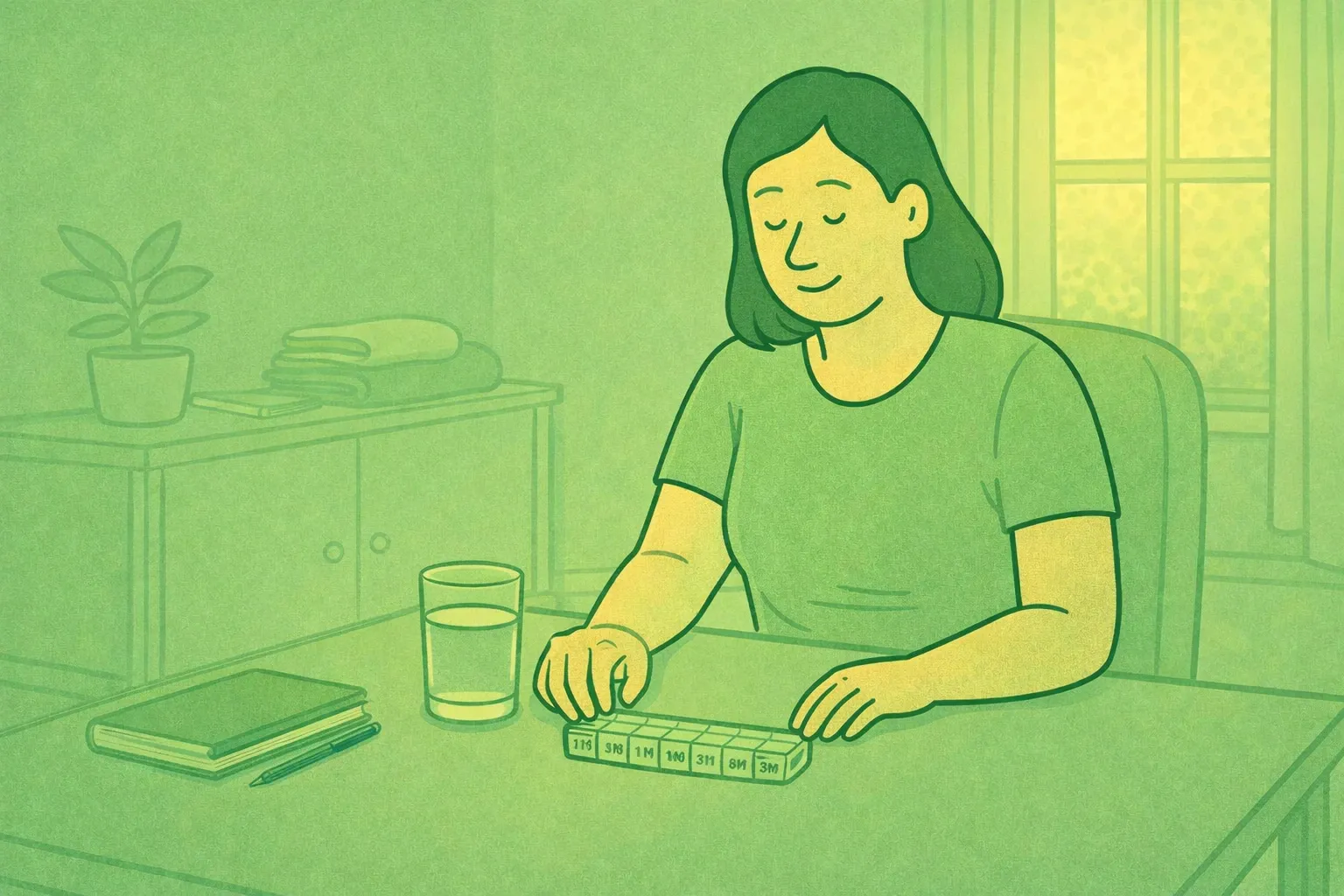
When emotional imbalance has a strong biological component, everyday tools don’t always go far enough. In those cases, clinical approaches may be part of the conversation. If you’ve ever found yourself wondering how mood stabilizers work, it helps to know that they don’t suppress emotions or change your personality. Mood-regulating medication supports the brain’s ability to regulate mood by reducing extreme highs and lows and calming overactive emotional responses, allowing your emotional range to feel more manageable and predictable over time.
How Emotional Balance Supports Long-Term Wellbeing
Research in psychoneuroendocrinology shows that ongoing emotional dysregulation keeps the stress response activated longer than it should be, which can interfere with hormone regulation, sleep cycles, and immune function. According to the American Psychological Association, chronic stress is linked to an increased risk of conditions such as heart disease, depression, and weakened immune response, effects that tend to be more pronounced in women due to hormonal interactions with the stress system.
How Emotional Balance Protects Your Relationships
The effects extend into relationships as well. People with a steadier emotional baseline are better able to navigate conflict without escalating or withdrawing. When your emotions aren’t constantly spiking, communication becomes clearer and less reactive, which reduces long-term relational stress.
Heightened emotional states can limit access to the prefrontal cortex, the part of the brain responsible for planning, decision-making, judgment, and self-trust. When the balance improves, cognitive clarity improves with it. You’re more likely to respond intentionally rather than react impulsively or second-guess yourself afterward. Over the long term, your balance can be a protective factor. It doesn’t prevent stress or difficult life events, but it changes how deeply they tax your system. That difference adds up, supporting not just emotional wellbeing, but physical health, relationships, and your ability to feel grounded in your own life.
How to Support Your Emotional Wellbeing
Emotional balance rarely happens by accident. It grows from small, consistent choices in daily life. These practical steps help your nervous system feel safer, so your emotions react less intensely.
1. Build a Stable Daily Routine
You can’t expect your emotions to stay in check without having a routine. In fact, things like regular sleep, consistent meals, and daily movement help regulate the same brain systems responsible for mood. When your body knows what to expect, your emotional responses become less reactive.
2. Pause Before You React
When emotions spike, logic usually comes last. Learning to regulate your nervous system before trying to think your way through emotions makes a real difference. Slow breathing, stepping outside, grounding techniques, or pausing physical movement can calm your system enough to prevent emotional escalation.
3. Reduce Emotional Overload
Many women focus on stress reduction but ignore emotional overload. Emotional overload happens when you’re carrying too many unprocessed emotions for too long. It often comes from:
● Constant emotional availability,
● Unspoken resentment,
● People-pleasing,
● or feeling responsible for how others feel.
Reducing emotional overload starts with awareness. Notice where you’re holding things in, overextending yourself, or ignoring your own limits. Then, learn to set boundaries sooner, ask for help, or allow yourself to disengage without guilt.
4. Know When to Add Professional Support
Sometimes emotional wellbeing needs more than lifestyle tools. If emotional swings feel intense, persistent, or disruptive, professional support can help identify what’s happening beneath the surface. This might include therapy, medical evaluation, or a combination of approaches.
Emotional Balance as the Foundation of Lasting Wellbeing
Emotional balance isn’t something you achieve once and then move on from. It’s an ongoing relationship with your body, your mind, and your circumstances. Some seasons feel steady. Others don’t. What matters is how you respond when your emotions feel all over the place. The more you understand what influences your emotions and what
helps stabilize them, the easier it becomes to respond with clarity rather than self-criticism. And that’s where lasting wellbeing begins – not in perfection, but in awareness and care.