Evening Habits To Support Your Sleep, Energy & Emotional Wellbeing
<p>Have you ever had those nights where you go to bed exhausted but still find yourself staring at the ceiling? Well, it’s not just you, and the number shows it. Experts estimate that roughly…
- Published
- Written by
- Women In Balance Team
- Reading time
- 6 minutes
Have you ever had those nights where you go to bed exhausted but still find yourself staring at the ceiling? Well, it’s not just you, and the number shows it. Experts estimate that roughly one-third of adults don’t get enough sleep, and it’s taking a real toll on their energy, mood, and overall well-being. A few late nights might not seem like a big deal, but over time, sleep deprivation can negatively impact your emotional balance and physical health. (1)
The truth is, many people equate better sleep with going to bed earlier. In reality, it’s more about your evening habits or how you end your day. The things you do before bed can either prepare your mind and body for a deep rest or keep you wired long past midnight.
So, what should you do before you hit the hay? Below are simple yet powerful evening habits that can help you sleep better, boost your energy, and strengthen your emotional well-being starting tonight.
Establish a Consistent Bedtime Routine
One of the most effective ways to support your overall well-being is by establishing a consistent bedtime routine. Going to bed and waking up at the same time every day helps regulate your circadian rhythms (your body’s internal clock that manages the sleep-wake cycle). When your body knows it’s time to wind down, it naturally starts producing melatonin, the hormone that promotes healthy sleep.
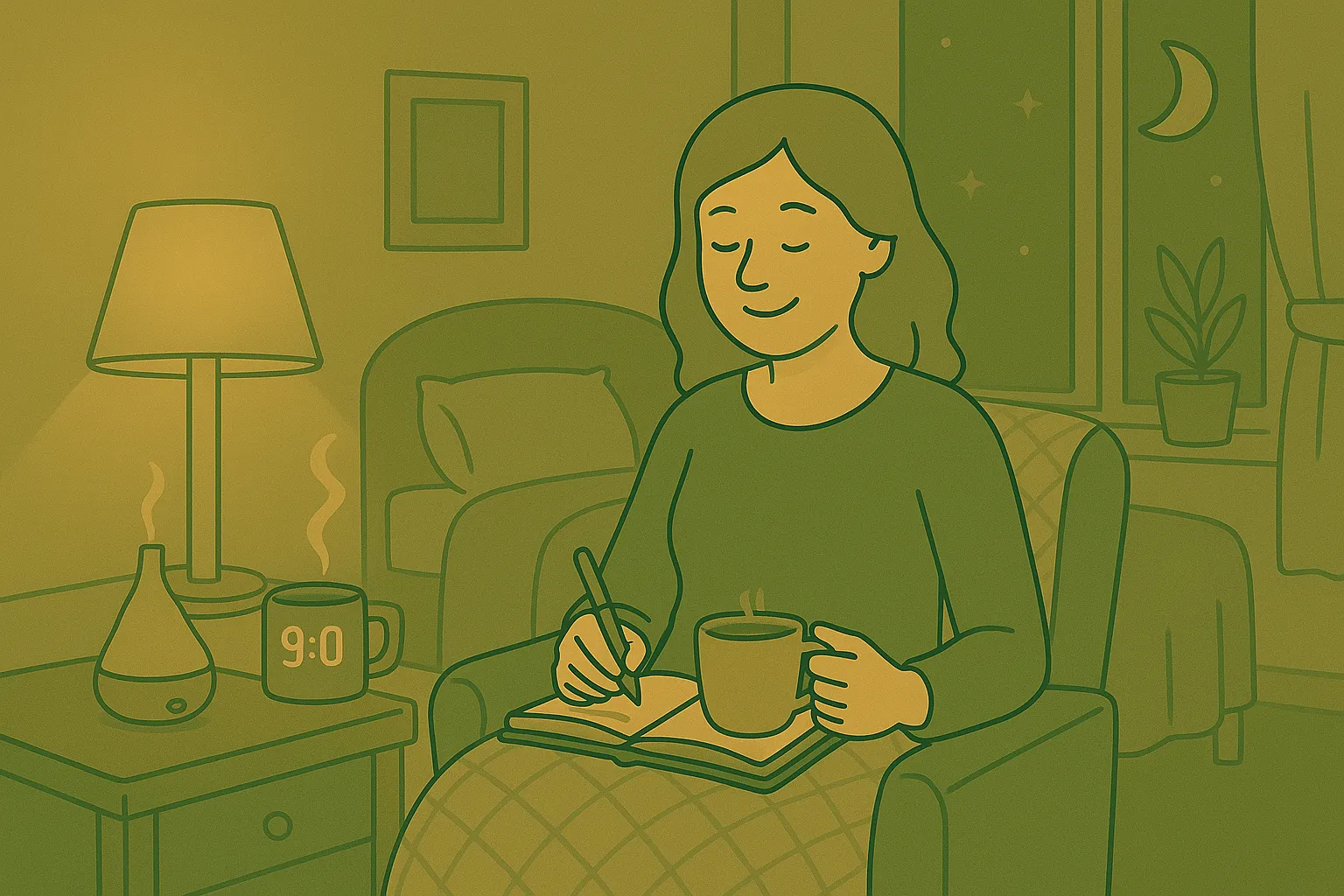
Start your nighttime routine about an hour before bed. Dim the lights, lower noise levels, and avoid stimulating activities like checking social media or watching intense shows. Instead, engage in relaxing rituals such as reading, journaling, or gentle deep breathing exercises to help your mind calm down.
However, even a perfect routine can only take you so far if your mattress is working against you. That said, consider investing in a high-quality mattress to improve your sleep. The right one can reduce tossing and turning, properly align your spine, and help maintain a comfortable body temperature throughout the night, all of which contribute to better sleep and improved emotional stability the next day.
Limit Blue Light Exposure Before Bed
Evening blue light exposure is one of the biggest disruptors of sleep. Phones, laptops, and TVs emit blue wavelengths that suppress melatonin production, tricking your brain into thinking it’s still daytime. This can delay sleep onset, reduce sleep quality, and even lead to mild sleep deprivation.
To counter this, try turning off digital devices at least 30 to 60 minutes before bed. If that’s not possible, enable “night mode” or wear blue light–filtering glasses. You can also fill that time with relaxing activities like listening to white noise or sipping warm herbal tea, both of which can help your body ease into rest mode without overstimulation.
Basically, creating a tech-free zone in your bedroom signals your brain that it’s time to unwind, making your sleep schedule more predictable and effective.
Keep Your Sleep Environment Cool and Comfortable
Your bedroom environment plays a significant role in your ability to fall and stay asleep. Research indicates that the ideal sleeping temperature falls between 60°F and 67°F (15°C and 19°C). This cooler environment helps lower your body temperature, which naturally signals your brain that it’s time to rest. (2)
Another key factor is your mattress, since comfort and support can directly affect how easily you relax at night. For readers looking to compare mattress options in their area, local mattress buying guides such as this resource on the best mattress stores can help narrow down the best choices based on sleep preferences, comfort level, and budget. Try using breathable bedding and light pajamas to prevent overheating. If outside light disturbs your rest, install blackout curtains to maintain darkness and improve sleep hygiene. You could also experiment with soothing sounds, such as pink or white noise, from a sound machine to block distractions and create a calming atmosphere.
Practice Gentle Movement or Stretching
Evening movement can help your body release built-up tension from the day. Gentle yoga poses, light stretching, or mindful breathing, for instance, can relax stiff muscles and slow your heart rate. These calming activities reduce cortisol levels (the stress hormone) and help you transition smoothly from active mode to rest mode.
Moreover, avoid high-intensity workouts close to bedtime, as they can raise your heart rate and core body temperature. This makes it harder to fall asleep. Instead, focus on soothing stretches or slow-paced exercises that restore your body’s natural rhythm. Pair this with deep breathing or guided relaxation to quiet your thoughts.
Unwind With a Mind-Clearing Ritual
A cluttered mind often leads to poor sleep. When your thoughts race, your body stays alert even if you’re physically tired. So, developing a mind-clearing ritual can help signal to your brain that it’s safe to rest.
Consider writing down unfinished tasks for tomorrow, journaling about your day, or practicing gratitude. These activities help reduce mental clutter and promote a sense of closure. If you prefer something sensory, try using an aromatherapy diffuser with calming scents like lavender or chamomile.
These practices don’t just improve sleep quality. They also protect your mental health by reducing stress and anxiety, encouraging emotional regulation, and preventing late-night overthinking.
Support Relaxation With a Warm Bath or Shower
A warm bath or shower before bed can do more than just help you unwind. Research shows that it may actually improve sleep quality. In one review, participants who took a warm bath or shower, around 104 to 108°F (40 to 42°C), for at least 10 minutes an hour or two before bedtime slept better than those who didn’t. The gentle rise in body temperature, followed by gradual cooling, mimics the body’s natural sleep process and helps trigger a feeling of drowsiness. (3)
It can also benefit your physical health. Another study found that soaking in a warm bath for about 11 to 15 minutes before bed helped older adults lower their blood pressure, with some experiencing drops of up to 16 mm Hg. Those moments of relaxation may help your body transition from daily stress to a calmer, more balanced state. (3)
Adding simple touches, such as bubble baths, soft lighting, or quiet music, can make this routine even more comforting. When you associate warmth and calm with bedtime, your body begins to recognize those cues as a signal that it’s time to rest. If you deal with tension or racing thoughts at night, this soothing habit can help improve sleep hygiene and restore both your physical and emotional energy.
Disconnect From Stimulants and Late-Night Snacks
Evening caffeine or heavy meals can make it difficult to fall asleep and disrupt your natural sleep cycles. Coffee, energy drinks, and even dark chocolate contain caffeine that can stay in your system for up to six hours, interfering with your body’s ability to wind down.
To protect your sleep, avoid stimulants after mid-afternoon. If hunger strikes in the evening, opt for light, protein-based snacks instead. Foods rich in magnesium, like almonds or bananas, can actually help relax your muscles and support better sleep quality. Similarly, limit alcohol consumption before bed. While it may make you drowsy at first, it often leads to fragmented sleep, which leaves you feeling more tired in the morning.
By prioritizing lighter, earlier meals and mindful consumption, you can set yourself up for deeper, more restorative rest.
Key Takeaway
The small things you do before bed, how you unwind, what you focus on, and how you care for yourself, can shape how you feel tomorrow. When your evenings feel calmer, your mornings start lighter, your energy lasts longer, and your mood stays steadier. So, treat your nights as a quiet reset, and you’ll begin to feel the difference in every part of your day.
References:
1. “Sleep Statistics”, Source: https://www.helpguide.org/wellness/sleep/sleep-statistics
2. “What’s the Best Temperature for Sleep?”, Source: https://health.clevelandclinic.org/what-is-the-ideal-sleeping-temperature-for-my-bedroom#:~:text=As%20a%20rule%20of%20thumb%2C%20sleep%20psychologist%20Michelle%20Drerup%2C%20PsyD%2C%20says%20to%20keep%20your%20bedroom%20at%2060%20to%2067%C2%B0%20F%20(15%20to%2019%C2%B0%20C)
3. “How a Cold Shower Before Bed Affects Your Sleep”, Source: https://www.healthline.com/health/how-a-cold-shower-before-bed-affects-your-slee