Healing Side by Side: Supporting Your Partner After Pregnancy Loss
<p>Pregnancy loss is a heartbreaking experience that affects both partners. For women, the emotional toll can be especially heavy, impacting their mental, physical, and spiritual well-being. The…
- Published
- Written by
- Women In Balance Team
- Reading time
- 5 minutes
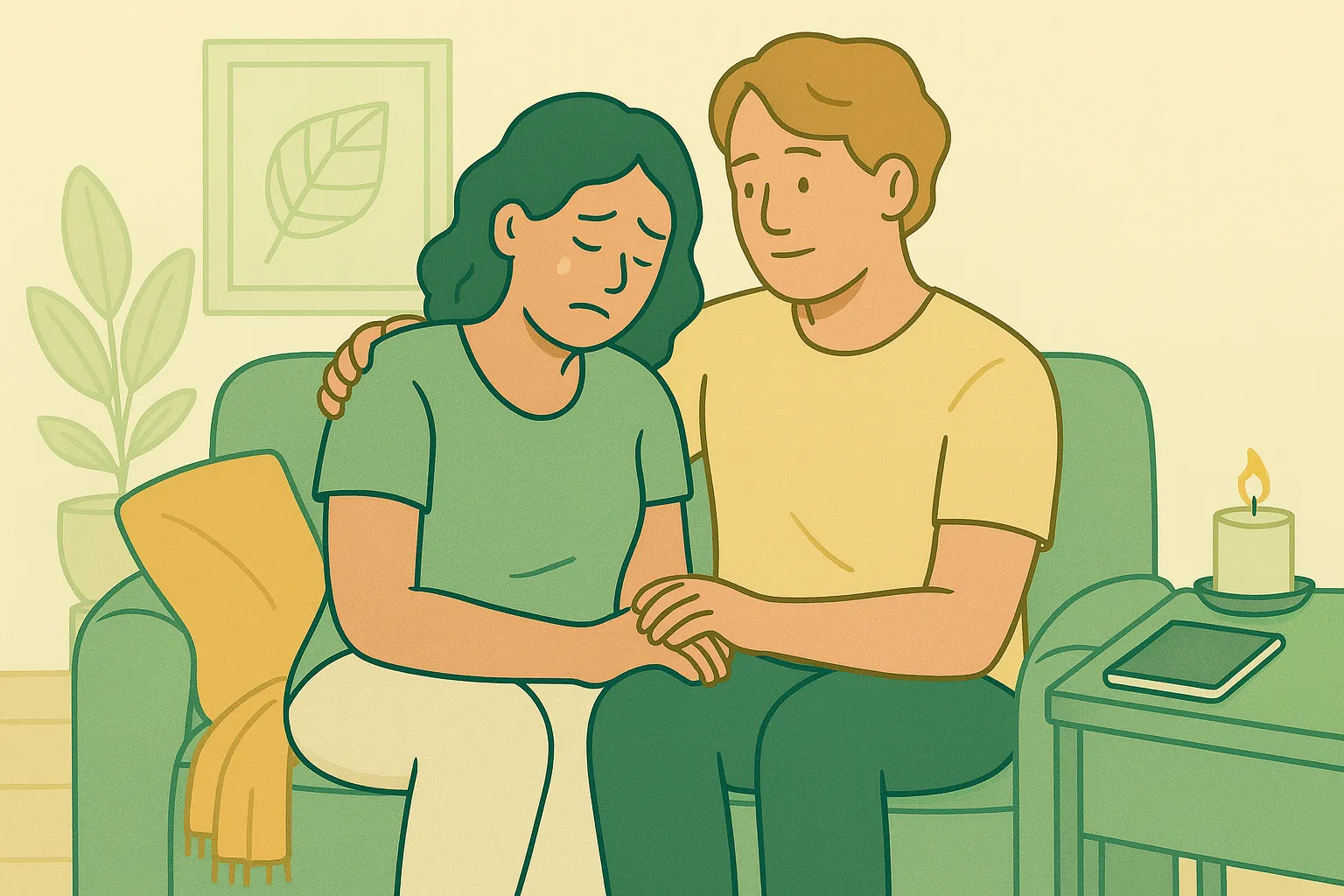
Pregnancy loss is a heartbreaking experience that affects both partners. For women, the emotional toll can be especially heavy, impacting their mental, physical, and spiritual well-being. The beauty of a place like Georgia, the rolling hills, warm sunsets, and vibrant communities, may offer comfort, but it often isn’t enough to ease the deep pain unless you are right there beside them. As a partner, your support matters more than words can express, but you might just not know what to do. At the same time, you must take care of yourself so that you can continue to stand strong for both of you.
This article is your guide to staying by your partner’s side during this difficult time while ensuring you do not burn out in the process.
1. Recognizing and Addressing Depression
It is natural for someone to feel down after experiencing a loss. However, when sadness starts interfering with everyday life, it can turn into depression. Some signs that depression has gone beyond the usual grieving process include long periods of withdrawal, ongoing feelings of hopelessness, difficulty eating or sleeping, and a lack of interest in daily activities.
In Georgia, healthcare is a strong point, and there are many resources available for mental health support. One effective option is considering rehabilitation programs that focus on emotional and mental health. Rehab Seekers, for instance, offers programs where trained professionals guide individuals through their recovery in a safe environment.
The best part? If you’re considering Rehab Seekers, Georgia offers a wide range of facilities in multiple cities that provide care tailored to each person’s needs. Taking advantage of the healthcare resources in Georgia ensures your partner has access to specialized support, which can make a significant difference in their recovery.
2. Communication That Builds Trust
Communication during this time should focus on building trust and showing support. Many people feel unsure about what to say after pregnancy loss, but the most important thing is to be honest and gentle. Your partner does not expect you to have all the answers, but they do need to know that you are willing to listen. Listening without interrupting or minimizing their feelings builds trust and reassures them that they are not alone in this journey.
It also helps to share your own feelings. Grief affects both partners, and being open about how you feel creates a stronger sense of connection.
3. The Role of Physical Health in Emotional Recovery
While the emotional side of healing is important, physical health plays a vital role as well. Grief can make your partner neglect basic health needs, such as eating well, sleeping, and moving their body. You can help by encouraging small steps toward better routines. Preparing a balanced meal, going on a short walk together, or reminding them to rest are simple yet powerful ways to support their recovery.
Physical well-being has a direct effect on emotional stability. When the body is cared for, it is easier to manage stress and cope with emotional pain. This does not mean forcing strict habits or overwhelming your partner with health plans. Instead, it is about gently guiding them toward healthier choices that provide strength and resilience during a difficult time.
4. Supporting Without Smothering
One of the challenges partners face is knowing how much support to offer without making the other person feel suffocated. It is easy to fall into the trap of constantly checking in or trying to solve every problem, but this can sometimes feel smothering. Your partner may need space to process their emotions, and giving them that space shows respect.
The key is balance. Let your partner know you are there whenever they need you, but also give them room to manage their grief in their own way. Be attentive. If they ask for quiet time, respect it. If they reach out for comfort, be ready to provide it. Supporting without smothering builds a healthier dynamic where both of you can breathe and heal together.
5. Involving Family and Friends Thoughtfully
When going through pregnancy loss, many couples receive a lot of concern from family and friends. While this support can be comforting, it can become frustrating if not managed carefully. Your partner may appreciate the love but also want privacy. It is important to gauge what your partner feels comfortable with before inviting others into the healing process.
Talk with your partner about what kind of involvement feels supportive. Some may find it helpful to have family visiting often, while others may prefer fewer interactions. You can act as the filter, communicating your partner’s needs and setting boundaries when necessary.
6. Exploring Professional Counseling Together
Counseling provides a safe, structured environment where couples can work through grief. While family and friends mean well, professional guidance helps in ways that personal relationships cannot. A counselor or therapist can help both of you process loss, develop coping strategies, and strengthen your relationship in the face of hardship.
Attending sessions together shows your partner that you are committed to walking this path with them. Couples counseling can improve communication and prevent unspoken feelings from causing distance. At the same time, individual therapy may benefit both of you. Each person grieves differently, and private sessions can give space to explore personal emotions that might be difficult to share even with a partner.
7. Taking Care of Yourself as a Partner
It is easy to focus all your energy on your partner and forget about your own needs. Over time, this can lead to exhaustion and resentment. Taking care of yourself is not selfish; it is necessary if you want to remain a source of strength. This means paying attention to your own emotional and physical health. Exercise, healthy eating, sleep, and time with supportive friends are all part of maintaining your balance.
You might also benefit from speaking with a counselor or joining a support group for partners. Sharing your experiences with others who understand can lighten the burden.
8. Looking Ahead: Building Hope for the Future
Healing after pregnancy loss is not about forgetting what happened, but about finding a way forward. At some point, conversations about the future will become part of your journey. For some couples, this may mean trying again, while for others, it may mean focusing on personal growth or exploring new paths together.
Hope does not come all at once. It builds slowly as small moments of joy and peace return. Celebrating those moments helps you and your partner look ahead with resilience.
Loss Can Strengthen Love
Loss leaves scars, but it also reveals the strength of a relationship. Walking through grief side by side gives both partners a chance to see just how deeply they can rely on each other. The journey is not easy, but it can deepen trust, strengthen bonds, and create a foundation that carries into the future. What comes after loss will never erase the pain, but it can create a new chapter where compassion and resilience shine brighter than before.