Hormone Health & Plant-Based Living: 4 Things Women Should Know
<p>Hormones shape mood, sleep, skin, energy, and fertility. When women choose plant-forward meals, those choices influence hormone signals more than most expect. We want food that nourishes cycles…
- Published
- Written by
- Women In Balance Team
- Reading time
- 4 minutes
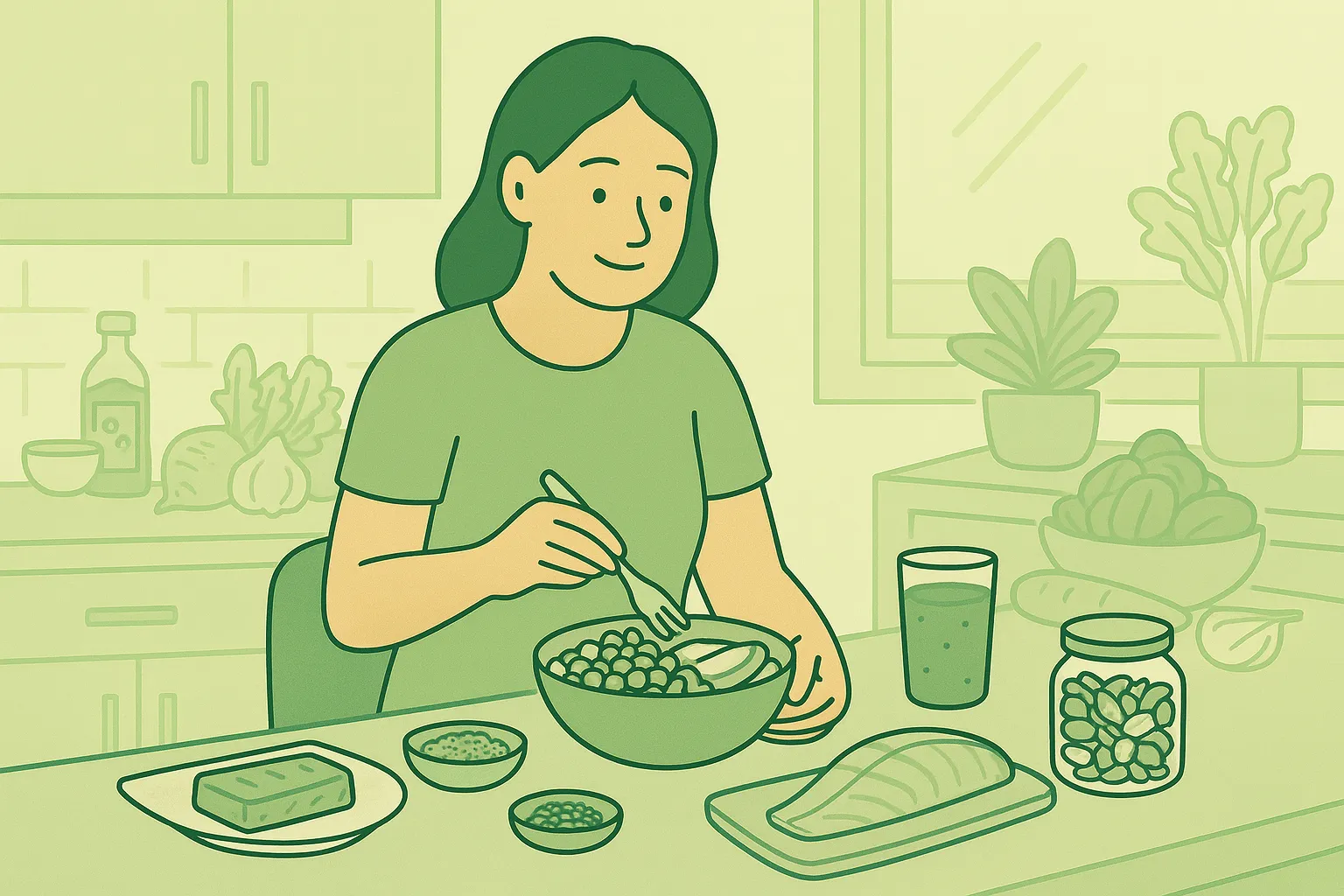
Hormones shape mood, sleep, skin, energy, and fertility. When women choose plant-forward meals, those choices influence hormone signals more than most expect. We want food that nourishes cycles, calms inflammation, and supports long-term bone and brain health. This piece lays out four practical truths every woman should know, plus realistic steps to start today.
Why food and hormones interact so closely
Hormones act like messengers. Nutrients affect those messages quickly.
For example:
- Fibre helps clear excess hormones via digestion.
- Fats provide building blocks for steroid hormones.
- Micronutrients play a crucial role in powering hormone production and receptor function.
Understand the basics, and food shifts stop being a guessing game. For guidance on broad lifestyle changes that support hormones, consult a helpful guide to building a holistic lifestyle.
Four things women should know about plant-based eating and hormones
1) Plant foods can support estrogen balance
Phytoestrogens, found in flax, sesame, legumes, and some whole grains, bind estrogen receptors gently.
That means they can ease hot flashes or mild estrogen gaps without the highs and lows caused by synthetic hormones. Additionally, fibre-rich plants feed gut bacteria that convert certain compounds into forms the body can utilise effectively.
Practical tips:
- Add ground flaxseed (1 tbsp) to yoghurt, smoothies, or oats daily.
- Choose fermented soy products (such as miso and tempeh) over highly processed soy options.
- Eat a rainbow of veggies, focusing on cruciferous choices like broccoli and kale twice weekly.
2) Protein and healthy fats matter
Women need steady protein to support muscle, bone, and hormone synthesis.
Healthy fats provide cholesterol derivatives that are essential for the production of estrogen, progesterone, and adrenal hormones. Plant sources work well when combined thoughtfully.
Simple swaps:
- Combine legumes plus grains (rice + beans) to form complete proteins.
- Include nuts, seeds, avocado, or olive oil at meals for hormone-building fats.
- Try chia or hemp for omega-3 ALA; consider algae-based DHA when needed.
If meal prep feels overwhelming, some women find pre-made options helpful.
For those seeking chef-made plant meals delivered with nutrition in mind, consider Soulara vegan meal delivery for convenient, balanced choices.
3) Mind micronutrients: B12, iron, D, zinc, magnesium
Plant-rich diets lower the intake of certain nutrients unless planned. Deficiencies create fatigue, low libido, sleep trouble, and mood swings.
Key actions:
- Check vitamin B12 through bloodwork; supplement if low.
- Monitor iron, especially during heavy cycles. Combine non-heme iron with vitamin C foods to improve absorption.
- Test vitamin D during darker months or if sun exposure stays low.
- Consider zinc and magnesium for support of sleep and mood.
For more on safe, evidence-based options that complement diet, read a concise, practical supplements guide.
4) Tune eating to the cycle phase and life stage
Hormone needs to change over time. Perimenopause, for instance, brings erratic cycles, sleep changes, and shifts in appetite. Simple timing strategies can help reduce blood sugar swings and alleviate symptoms.
Cycle-aware tips:
- Follicular phase (weeks after period starts): favour slightly higher carbs for energy.
- Luteal phase (before period): Increase protein and fibre intake to reduce cravings.
- Perimenopause and menopause: spread protein across meals and prioritise calcium plus vitamin D for bone maintenance.
We must adapt menus as life shifts, not chase a one-size-fits-all plan.
A simple week of hormone-friendly plant-based meals
Practical planning beats perfection. Here’s a sample outline that keeps meals varied, nutrient-dense, and easy to prepare.
- Monday: Oat porridge with ground flax, berries, and almond butter.
- Tuesday: Lentil salad with roasted veggies, pumpkin seeds, and lemon-tahini dressing.
- Wednesday: Tofu scramble, sautéed spinach, and whole-grain toast.
- Thursday: Quinoa bowl with chickpeas, avocado, and mixed greens.
- Friday: Stir-fried tempeh with broccoli, brown rice, and sesame.
- Weekend: Big batch soup with beans, kale, and root veg; freeze portions.
Shopping basics:
- Beans, lentils, tofu, tempeh
- Whole grains: oats, quinoa, brown rice
- Nuts, seeds, healthy oils
- Dark leafy greens, cruciferous veggies, colourful produce
- B12 and vitamin D supplements as needed
Common pitfalls and how to avoid them
- Skipping protein at breakfast.
- Fix: add nut butter, tofu, or Greek-style plant yoghurt.
- Relying on processed vegan foods.
- Fix: focus on whole ingredients most days.
- Ignoring symptoms until they worsen.
- Fix: track sleep, mood, and cycles weekly.
- Over-restricting calories.
- Fix: Prioritise satiety with protein and fat at meals.
Avoid extremes. Balanced, consistent choices yield steady hormone support.
When to seek professional help
If irregular bleeding, severe fatigue, rapid weight changes, or mood shifts arise, consult a clinician. Blood tests help diagnose iron deficiency, thyroid issues, and low vitamin D.
Hormone therapy sometimes suits perimenopause or post-menopausal care; diet helps, yet medical input proves essential.
Practical next steps we can all take today
- Add one ground seed serving daily.
- Aim for a protein source at each meal.
- Schedule simple blood tests: B12, iron, and vitamin D.
- Try a week of planned meals; batch cook one recipe to freeze.
Plant-based living supports hormone balance when we focus on nutrient quality, variety, and life-stage needs. Small, consistent changes improve sleep, mood, skin, and energy.