How Maternal Health Reforms Can Improve Care for Women and Expectant Mothers
<p>The United States is currently facing a maternal health crisis. According to recent government reports, the maternal mortality rate in 2022 was 22.3 deaths per 100,000 live births; more than…
- Published
- Written by
- Women In Balance Team
- Reading time
- 2 minutes
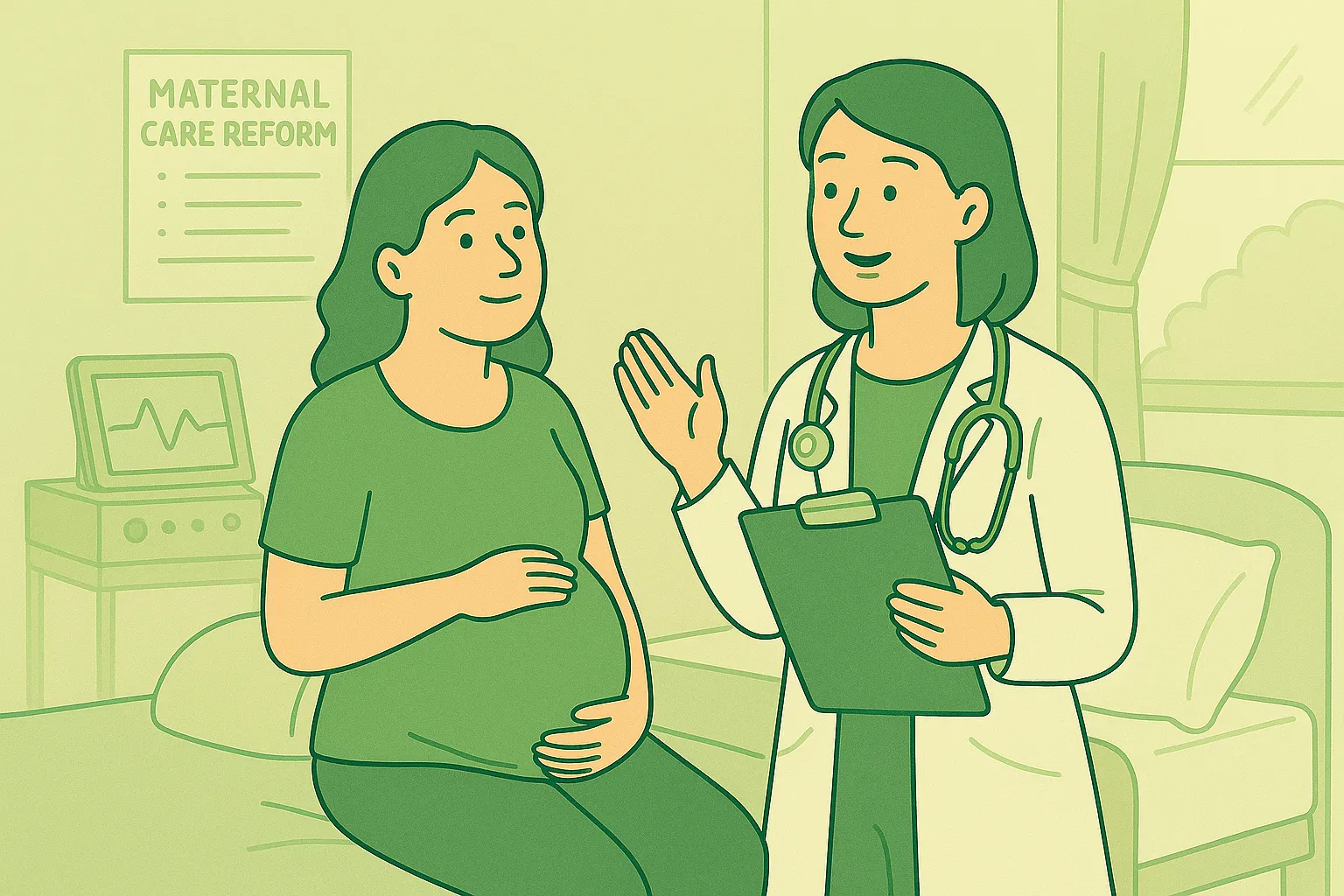
The United States is currently facing a maternal health crisis. According to recent government reports, the maternal mortality rate in 2022 was 22.3 deaths per 100,000 live births; more than double that of most other high-income countries. This isn’t just a statistic; it reflects the real challenges women face during pregnancy and postpartum care.
Understanding the Maternal Health Crisis
Many high-risk pregnancies require specialized care, but gaps in healthcare access, standardized protocols, and emergency readiness can create dangerous outcomes. For women, this translates to heightened anxiety, uncertainty, and the need to navigate complex healthcare systems to get the care they deserve.
How the 2024 CMS Maternal Health Reforms Help Women
On November 1, 2024, CMS introduced new reforms aimed at reducing maternal mortality and improving access to quality care. These guidelines focus on:
- Enhanced training for healthcare providers: Staff in obstetrical units will receive mandatory training in evidence-based maternal health practices, which ensures women get safer, more consistent care.
- Quality assessment programs: Regular performance evaluations will improve protocols for high-risk pregnancies and emergency situations.
- Better emergency readiness: Hospitals and clinics must implement clear emergency care pathways, which directly impacts women experiencing complications during pregnancy.
These reforms are designed to protect women’s health, improve outcomes, and reduce the stress associated with navigating prenatal and postpartum care.
Practical Steps for Women to Protect Their Health
Women can take an active role in their care by staying informed and organized:
- Know your rights and medical history: Keep track of your prenatal visits, test results, and any complications.
- Ask questions about care plans: Understanding treatment options and emergency protocols can empower women to make informed decisions.
- Advocate for thorough documentation: Proper records not only support your care but also help hospitals implement the new maternal health guidelines effectively.
Looking Ahead
These reforms represent a meaningful step forward for women’s healthcare. By improving provider training, emergency readiness, and standardized protocols, women across the U.S. can expect safer pregnancies, better postpartum support, and a more responsive healthcare system.
Maternal health is not just about surviving pregnancy; it’s about giving women the confidence, knowledge, and care they need to thrive. With continued awareness, advocacy, and implementation of these reforms, every expectant mother has the potential to experience a healthier, more empowered journey into motherhood.