How Stress Impacts Women’s Hormones
Stress is not just restricted to thoughts. It impacts your whole body, resulting in poor sleep, a lack of appetite, tension, and can even negatively affect your hormones. During tough weeks, PMS can…
- Published
- Written by
- Women In Balance Team
- Reading time
- 3 minutes
Stress is not just restricted to thoughts. It impacts your whole body, resulting in poor sleep, a lack of appetite, tension, and can even negatively affect your hormones.
During tough weeks, PMS can intensify, periods can drift, cravings can spike, and mood can feel less stable.
Understanding this can help you recognize symptoms earlier and respond appropriately to get your stress under control and hormones balanced.
The Stress-Hormone Chain Reaction
Your body routes stress through the HPA axis (hypothalamus–pituitary–adrenal). When you’re under stress, your body releases cortisol to help you stay alert so you can cope. That response is helpful for short periods. But if cortisol stays elevated for too long, it strains the body and can start causing problems instead of helping.
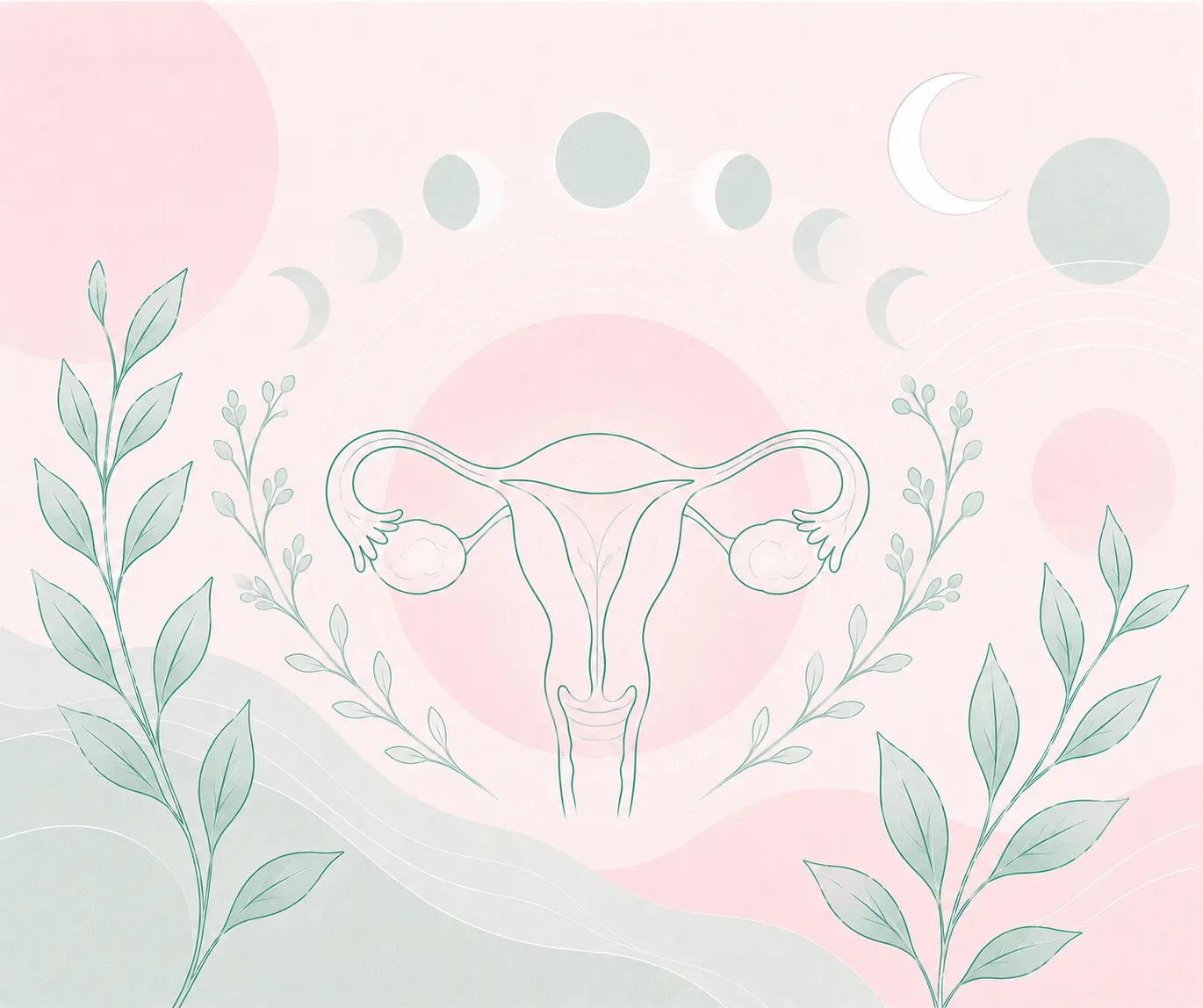
Sustained cortisol can disrupt the HPO axis (hypothalamus–pituitary–ovarian), which is the system that coordinates ovulation and cycle timing. When the brain identifies it as a “threat,” it prioritizes survival over reproduction. That’s why chronic stress is often linked to delayed periods, irregular cycles, heavier PMS symptoms, and changes in libido. It can also aggravate hot flashes and sleep disruption in perimenopause, where hormones are already fluctuating.
Why Women Experience Changes in Their Cycle and Mood
Estrogen and progesterone are not just reproductive hormones. They influence serotonin signaling, temperature regulation, fluid balance, and sleep quality. When stress interferes with these rhythms, you may experience:
- Severe PMS symptoms (irritability, anxiety, low mood)
- Shorter temper, lower resilience, or general tiredness
- Sleep fragmentation
- Cycle changes (late ovulation, shortened luteal phase, or missed periods)
Other Hormones Involved in the Stress Response
Stress seldom shows up in isolation. Other systems are inclined to follow it:
Insulin and Blood Sugar
Under stress, the body tends to release more glucose into the bloodstream. If meals are irregular, protein is low, or sleep is poor, blood sugar swings become sharper. That can worsen cravings, fatigue, and inflammation, which, in turn, can indirectly influence hormones.
Thyroid
Poor sleep and chronic stress can interfere with normal thyroid rhythms. Many women first notice this as sluggish mornings, cold sensitivity, hair changes, or general low energy.
Melatonin and Sleep
Hormonal repair occurs during sleep. If you sleep for six hours but wake up frequently, your hormones suffer.
A Recovery-First Stress Plan That Supports Hormones
If your goal is steadying hormones, here’s how you can go about it:
1. Prioritize Sleep Quality
Aim for consistency: waking up at the same time every day is important. To do this, you can create a gradual wind-down window by dimming the lights and making the room cozier 60–90 minutes before bedtime. If you’re frequently waking up in the middle of the night, your caffeine timing, late-night alcohol, and screen habits may be contributing factors.
2. Stabilize Blood Sugar Early in the Day
Morning blood sugar swings can amplify cortisol release, which sets the tone for the rest of the day. You should have a breakfast rich in protein and fiber to reduce mid-morning cortisol spikes and help mood stability later.
Skipping breakfast or relying on sugar-heavy options often worsens anxiety and fatigue by afternoon. Even a simple meal (yogurt with nuts, or a smoothie with protein) can support steadier energy and mood.
3. Work Out, But Don’t Punish Yourself
Movement supports hormone health, but intensity matters. Walking and gentle cardio can improve stress tolerance. However, if you’re already exhausted, aggressive workouts can increase cortisol levels. You should treat movement as a tool for circulation and regulating the nervous system, not another task to push through.
4. Use Easy Mental Health Tools
Two minutes of slow breathing, a short journal prompt, or any relaxing evening routine can calm your nervous system and interrupt repetitive, stressful thoughts. You can also include relaxation aids you can find easily, like herbal teas, warm cocoa, or local THC drinks, in this routine. Using these tools together consistently can reduce stress levels and support healthier hormone rhythms throughout the day.
Hormonal Stability Starts With Stress Stability
When stress becomes manifest as hormonal symptoms, it indicates prolonged strain on the body. Improving sleep, eating consistently, and supporting nervous system regulation are some ways to reduce the severity of these symptoms and restore stability.