Balancing Hormones and Weight: How Telehealth Weight Loss Medication Can Help
<p>Managing your weight can be complicated. You’ll need to know how your hormones factor into your weight loss situation, as they can play a pivotal role. Despite your best efforts to stick with an…
- Published
- Written by
- Women In Balance Team
- Reading time
- 4 minutes
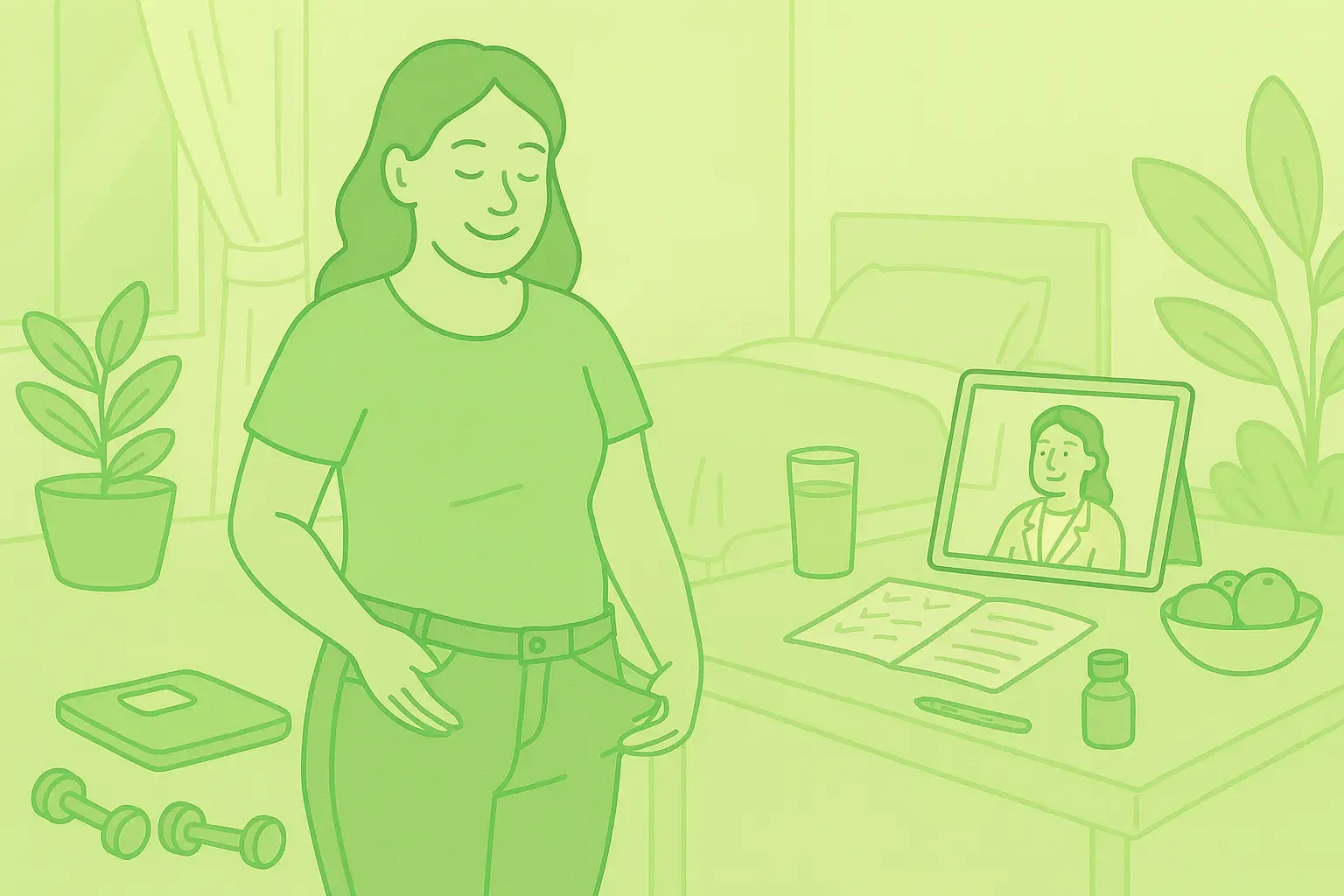
Managing your weight can be complicated. You’ll need to know how your hormones factor into your weight loss situation, as they can play a pivotal role. Despite your best efforts to stick with an exercise routine and pursue better eating habits, hormone imbalances can trigger issues, including weight gain. Fortunately, women hoping for a trimmer waistline and better lifestyle can find help through telehealth solutions.
You’ll be able to access medical weight-loss content and resources remotely to support achieving balanced hormones. Read on to learn how telehealth weight loss medication and programming can help you find a healthier solution.
The Connection Between Hormones and Weight
Hormones help control your appetite and metabolism. Think of hormones as chemical messengers that move through your bloodstream. They originate in the endocrine systems before journeying to other areas and dictating bodily processes, like sleep and mood.
Some hormones are especially high-impact when it comes to your weight. Estrogen, for instance, can impact where your fat is distributed. Typically, for women, fat will be stored in the thighs and hips. But with shifts in hormone levels, fat distribution and your mood can change, as well.
Insulin and cortisol are common hormones, too. Excess insulin can promote fat storage in your body and, as a result, weight gain. Cortisol is considered the stress hormone. A lot of cortisol can trigger feelings of anxiety and encourage you to snack, also leading to weight gain. And if you’re low on your thyroid hormones, you’ll notice a slower metabolism. Ultimately, imbalanced hormone levels can deplete your energy and cause your body to store more fat, even when you’re diligent about exercising. Over time, this can lead to frustration and poor mental health.
Focusing on Hormone Balance
You may be able to take corrective action that helps sync your hormones again. Paying attention to the natural rhythms of your body and making mindful choices can make a big difference and promote ongoing wellness.
First, find ways to deal with daily stressors. Start journaling, try yoga, or spend more time outdoors. These simple actions can help regulate cortisol production so you’re not feeling as much anxiety. Go for regular walks or meet up with a friend for coffee each week. These rituals can boost your mental health and help you get moving. Aim for at least seven hours of sleep each night, and refine your diet to prioritize fiber and protein, as opposed to processed foods.
These small steps can help kickstart a healthier lifestyle. But if you’re not seeing results, it may be best to take further action. Telehealth weight loss medication and programming could be the answer you need to find lasting help, especially if you still feel stuck despite other interventions.
Pursuing a Telehealth Weight Loss Medication Plan
Thanks to tech innovations, like telehealth, it’s easier than ever for anyone to find medical support, regardless of their location. And if you need weight loss medication support, you can find it through science-backed resources and clinicians online. These professionals work with your current health situation and history to help design a program that supports your needs.
A clinician may suggest medications designed to promote healthy weight loss. These medications can help keep your appetite and blood sugar in check. As a result, you won’t feel as many cravings and you’ll feel fuller after eating. Further, some medications can help with fat loss and insulin regulation. Medication can act as a helpful partner to a well-balanced diet and physical activity when you’re trying to regulate hormones in your body.
Achieving Hormone Balance and Weight Loss
You’ll need ongoing support as you pursue a healthier lifestyle. And even with the addition of medication, you may need to tweak dosages or get hormone panels to track results. You’ll want to verify optimal thyroid function, for instance, or look at cortisol or estrogen levels. Getting tests before you start a weight loss plan can help inform your treatment choices.
Don’t only rely on medication, either. Drink plenty of water, be diligent about sleep, and work on your diet. You can enhance the functioning of your medication, too, with these changes. Track your weight and be aware of your mood. Ideally, you should start to feel more energetic and optimistic once you start a plan. But it’s wise to confirm that you’re seeing improvements as an indication that your hormones are responding to the medication. Consistency matters, so be persistent and patient with your hormone and weight balance plan. In a few months, you should see a difference.
Making Long-Term Weight Loss a Reality
When you focus on balancing hormones, you’ll be able to transition more easily to a healthier weight. Take time to exercise and focus on your mental health. Make more nutritious dietary choices and listen to your body’s natural rhythms. Partner with a robust telehealth platform where you can supplement your routine with medication that can enhance your progress. With time, you’ll notice that you feel more confident, comfortable, and balanced.