How University Stress Impacts Hormones, Sleep, and Mood in Women
College life looks exciting from the outside. Students connect with new people, make career plans and have more freedom. Meanwhile, most young women are under constant pressure. Exams pile up…
- Published
- Written by
- Women In Balance Team
- Reading time
- 4 minutes
College life looks exciting from the outside. Students connect with new people, make career plans and have more freedom. Meanwhile, most young women are under constant pressure. Exams pile up, deadlines arrive fast, financial issues stress people out. Lack of sleep makes everything harder. Stress impacts more than just feelings. It also alters the functioning of the body. During the hectic term, girls experience low energy, poor sleep or emotional changes and irregular periods. Many people disregard these as signs of stress because they believe that it is a normal occurrence. The body, however, reacts to pressure in very real ways.
Stress Changes Female Hormones
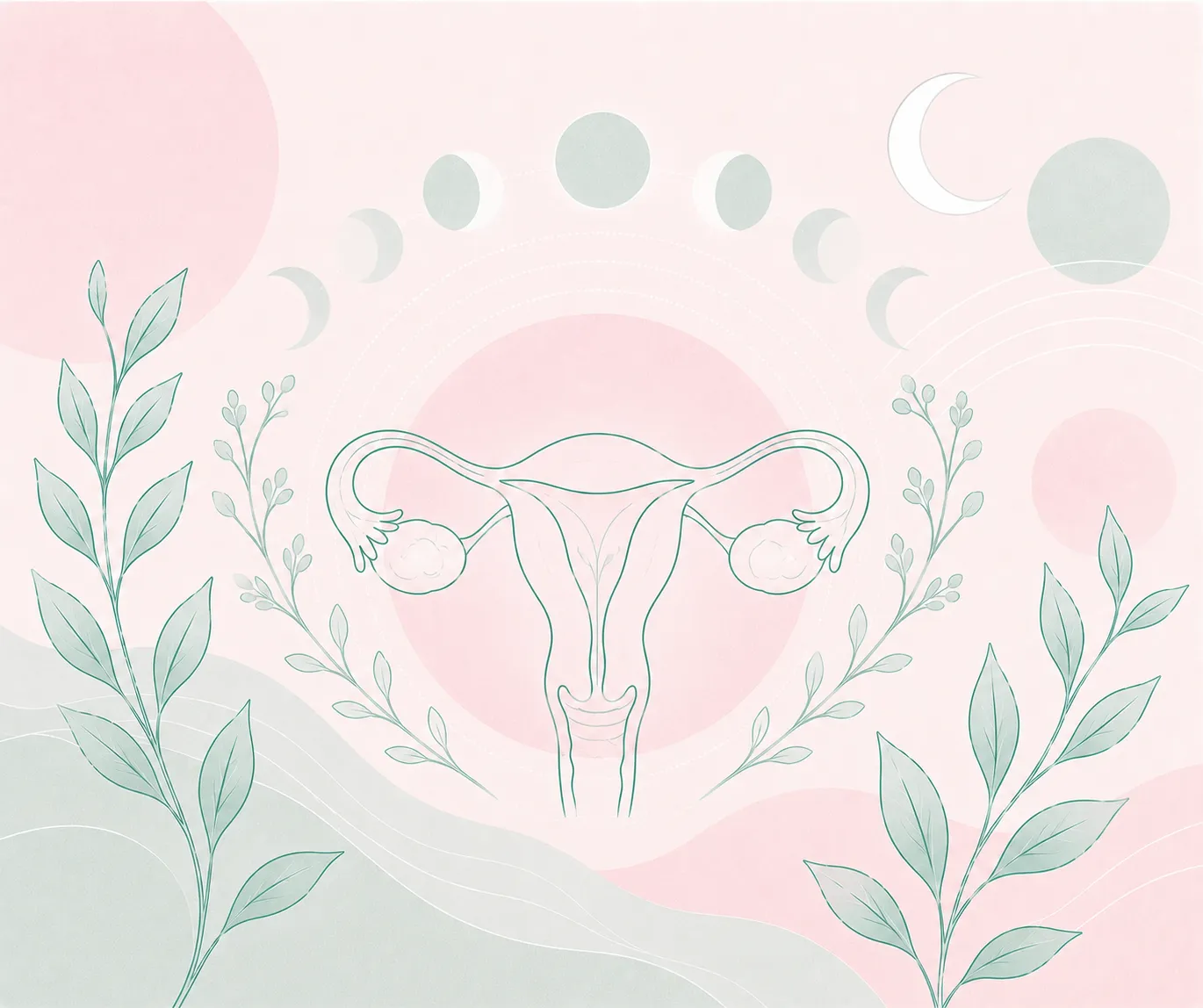
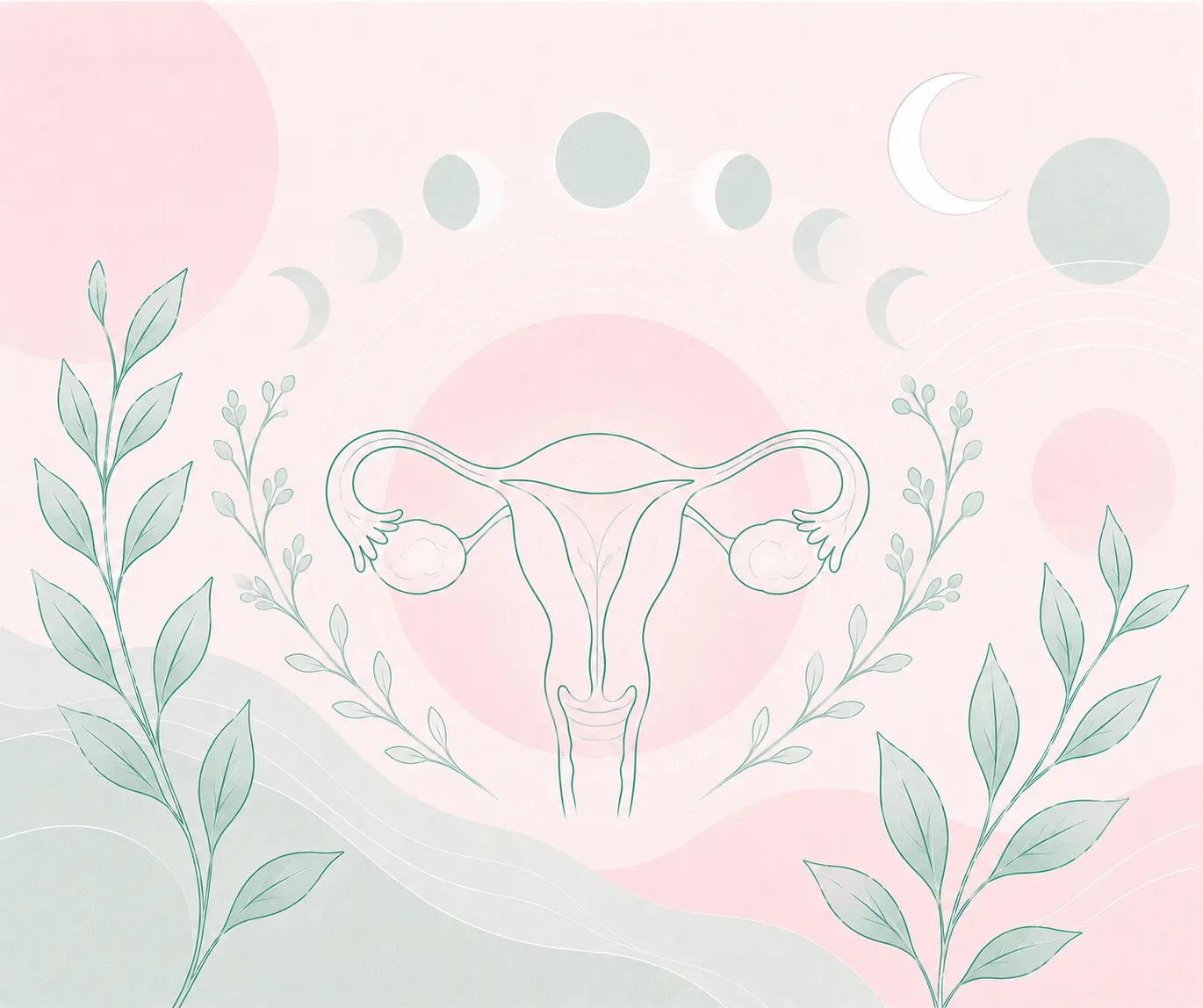
The body releases cortisol during stress. This is a hormone that assists people to remain alert during exams or presentations. Stress is not harmful in itself when it is of a short duration. Things begin to go wrong when stress is present for weeks and months. High cortisol can have an impact on estrogen and progesterone, which control the menstrual cycle. When balance changes, many students become aware of changes.
Common symptoms include
- Late or missed periods
- Strong PMS symptoms
- Worse cramps
- Mood swings
- Anxiety before menstruation
- Trouble sleeping
- Fatigue during the day
Some women also experience stronger PMDD symptoms during stressful periods. Emotional sensitivity increases. Small problems feel overwhelming. Tears come faster and irritation grows easily. The body often treats chronic stress as a warning sign. Hormone production changes as a result. Sleep problems make everything worse because the brain cannot recover properly overnight.
Academic Pressure Drains Mental Energy
University students rarely slow down. Many attend classes during the day and work part-time jobs at night. Others spend hours studying after long lectures. Some feel pressure to achieve perfect grades while maintaining friendships and social lives.
Heavy coursework can raise stress levels quickly, especially when complex calculus problems consume entire evenings. Many students spend hours repeating the same calculations while deadlines continue to pile up. During demanding academic periods the integral solver from Edubrain can help reduce unnecessary pressure and save valuable study time. The platform explains integrals through clear, step-by-step solutions instead of offering only final answers. Students save time while learning the actual logic behind each equation. This kind of academic support reduces mental exhaustion and helps women protect their energy, especially when stress already affects sleep, concentration, mood, and hormonal balance throughout the semester.
Long study sessions affect the nervous system. The brain stays alert late into the night. Cortisol levels remain high. Eventually, the body struggles to relax. Many students describe the same feeling. They feel tired all day but cannot fall asleep at night. Others lose motivation completely. Some become emotionally numb.
Signs of Stress Many Students Ignore
| Physical Signs | Emotional Signs | Mental Signs |
| Headaches | Irritability | Poor focus |
| Acne flare-ups | Anxiety | Forgetfulness |
| Irregular periods | Mood swings | Brain fog |
| Fatigue | Feeling overwhelmed | Low motivation |
| Sleep problems | Emotional sensitivity | Slower thinking |
These reactions do not mean someone is weak. The body simply needs recovery.
Sleep Protects Hormones and Mood
Sleep supports the body’s recovery process. During deep rest, hormones are controlled by the brain. Sleep enhances concentration, memory and emotional regulation as well. Unfortunately, many students compromise their sleep first. Stay awake to study, scroll social media or complete assignments. It is difficult to rest in the presence of bright screens, and caffeine. Hormones already have an impact on sleep quality at some points in the menstrual cycle. The problem gets worse when stressed.
Several habits can improve sleep
- Go to bed at the same time each night
- Stop studying before bed
- Limit screen use late at night
- Skip caffeine after lunch
- Read or stretch before sleeping
Small daily adjustments usually improve sleep better than strict or exhausting routines.
Food Supports Stress Recovery
Many students replace full meals with coffee and quick snacks during stressful weeks. This habit lowers energy and affects concentration. Keeping blood sugar steady supports mood and hormones. Nutritious meals boost focus and help recovery through long study sessions.
| Food | Benefit |
| Eggs | Provide protein and support steady energy |
| Oats | Release energy slowly and reduce fatigue |
| Nuts | Supply healthy fats that support brain function |
| Leafy greens | Contain iron and magnesium that help fight exhaustion |
Excess caffeine can raise anxiety levels and disturb sleep. Water and herbal tea help the body recover more effectively. Strict diets may increase hormonal stress instead of reducing it.
Movement Reduces Stress Naturally
Exercise helps the nervous system calm down. Still, exhausted students do not always need intense workouts. Gentle movement often works best during stressful semesters.
Good options include:
- Walking outdoors
- Yoga
- Stretching
- Light strength training
- Cycling
- Dancing
Movement improves circulation and sleep quality. It also boosts mood naturally.
Cycle Awareness Helps Women Understand Their Bodies
A woman’s hormones change throughout the menstrual cycle. The state of energy also alters. Many women attribute their tiredness or emotional response to a lack of willpower or self-control, but do not realize it is a hormone issue. The first half of the cycle can be more energised and focused. The half can make you tired or emotional. Follow the cycle to better plan. They can plan challenging activities on the higher energy days and more recovery on the lower energy days. This will lead to reduced frustration and increased self-awareness.
Conclusion
University stress affects much more than grades. In women, chronic stress alters the balance of hormones, contributes to weak sleep and creates imbalances in their emotional state. Many students ignore these signals because busy schedules make stress feel normal.The body still needs care. Mental and physical wellness will be fostered by better sleep, healthy eating, gentle movement, and healthy study skills. Little things do add up. The easiest routines tend to yield the most results in the long term.