Is Medical School the Right Path for You? How to Decide Before You Commit
<p>The idea of becoming a doctor often begins with a vision of helping others, making a difference, and earning professional respect. But the reality includes long hours of study, extensive training…
- Published
- Written by
- Women In Balance Team
- Reading time
- 4 minutes
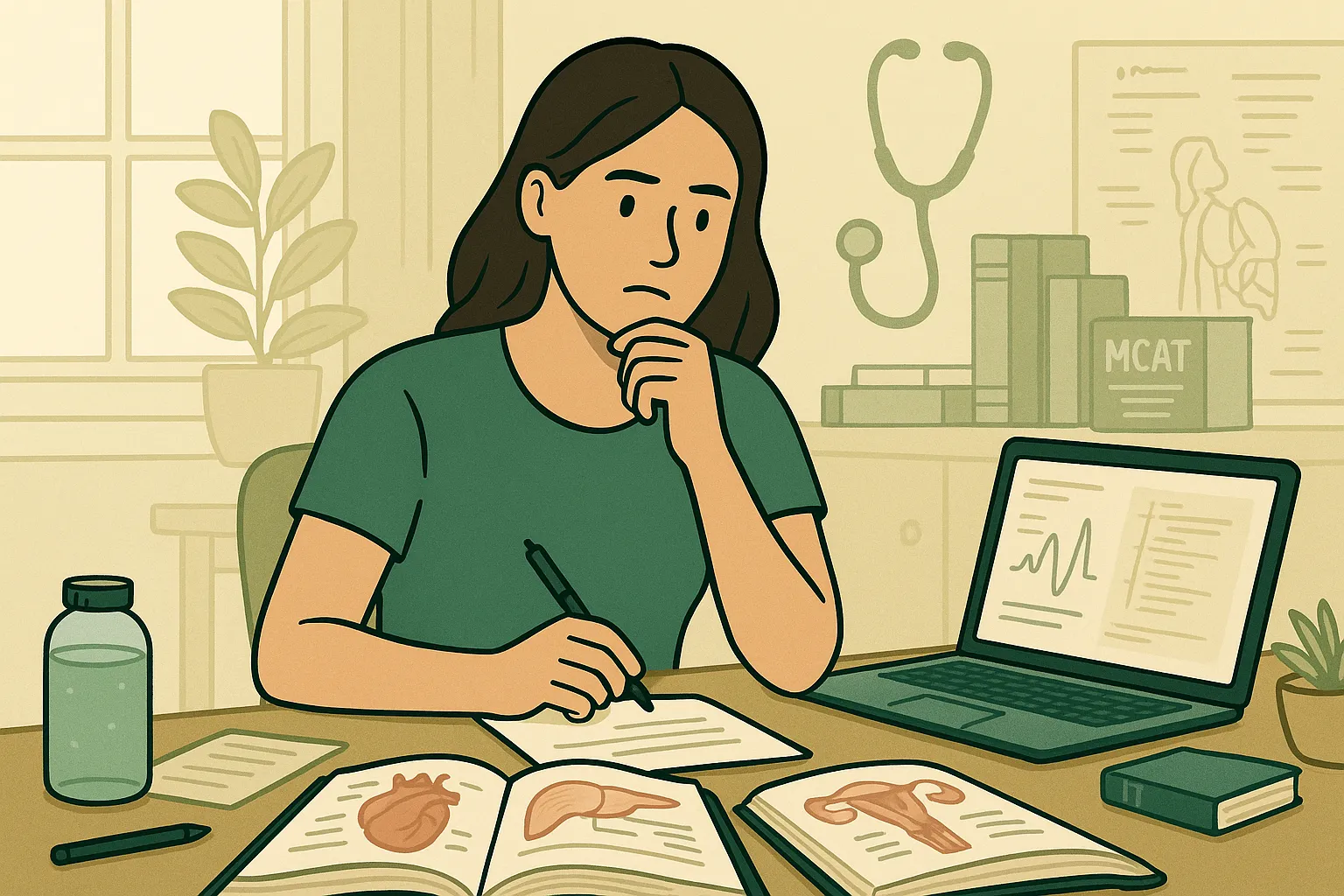
The idea of becoming a doctor often begins with a vision of helping others, making a difference, and earning professional respect. But the reality includes long hours of study, extensive training, and significant financial investment. It’s a journey that demands resilience, adaptability, and a passion for learning that never fades.
If you’re in the early stages of considering this path, you might already be weighing your academic readiness, financial situation, and personal motivations. It’s also helpful to explore resources that can make your preparation more effective, such as working with experienced nursing essay writers who can guide you in developing strong academic skills.
Annie Lambert, a seasoned expert at EssayPro’s essay writing service, notes that many pre-med students benefit from honing their research and writing early on, as these skills are crucial for medical school success.
Understand the Academic Commitment
Medical school is academically intense. From anatomy to pharmacology, the coursework is rigorous, detailed, and often overwhelming for those unprepared.
You’ll be expected to absorb and retain vast amounts of information quickly, apply it in practical settings, and continue learning well beyond graduation. If you’ve excelled in science courses and enjoy complex problem-solving, this can be a good sign that you’re ready for the challenge. Some students choose to begin that journey at Caribbean medical schools and their respective MD programs, which allow for a hands-on, globally oriented medical education with smaller class sizes and quicker entry points.
On the other hand, if you’ve struggled to stay engaged with difficult material in the past, you might need to develop stronger study habits before committing. Seek out mentorship from current medical students or professors who can provide an honest picture of the workload.
Evaluate Your Motivation
Why do you want to become a doctor? This question may sound simple, but your answer can determine your ability to stay committed through the difficult years ahead. Motivations rooted in prestige or salary alone often fade when faced with long hours, patient stress, and academic pressure.
A genuine interest in medicine, a desire to help others, and a willingness to engage in lifelong learning are stronger foundations for success.
Talk to doctors in different specialties, shadow professionals in clinics, and volunteer in healthcare settings to test your motivations in real-world environments.
Consider the Financial Investment
Medical school tuition can be substantial, often leaving graduates with significant debt. While physicians can earn high salaries, it may take years to pay off loans.
Consider your financial readiness and research scholarships, grants, and loan repayment programs. Understanding the economic realities of this path is just as important as knowing the academic demands.
Assess Your Lifestyle Expectations
Medicine can be deeply rewarding, but it often comes with unpredictable schedules, on-call duties, and extended workweeks.
The lifestyle can be particularly challenging during residency and early career stages. If work-life balance is a top priority for you, it’s worth thinking about whether you can adapt to these demands or whether another healthcare career might be a better fit.
Key Signs Medical School Might Be Right for You
Here are some signs you may be well-suited for medical school and the career that follows:
- You have a sustained interest in science and medicine, not just a passing curiosity.
- You handle stress well and can maintain focus under pressure.
- You enjoy problem-solving and working with complex information.
- You have strong interpersonal skills and genuine empathy for others.
- You’re prepared for years of training before practicing independently.
Explore Alternative Paths in Healthcare
If, after reflection, you’re unsure about medical school, remember that healthcare offers many other rewarding roles. Nursing, physician assistant programs, occupational therapy, and public health careers all allow you to make meaningful contributions without the same level of time and financial investment.
Some of these careers can even serve as stepping stones toward medical school later, once you’ve gained more experience and confidence in the field.
Use Support Resources to Strengthen Your Candidacy
Preparing for medical school isn’t just about meeting GPA requirements or scoring well on the MCAT. It’s also about demonstrating clear communication, critical thinking, and the ability to work collaboratively. Understanding all the components of preparing a strong application is the first step toward success. Writing-intensive projects, research proposals, and application essays are all part of the process.
Working with professional writing mentors, like experienced nursing essay writers, can help you polish these skills. They can guide you through creating standout personal statements, organizing complex research, and presenting your ideas clearly, which is invaluable for both applications and future coursework.
Test the Waters Before Committing
If you’re still uncertain, there are ways to “try on” the medical school experience before fully committing. Enroll in post-baccalaureate pre-med programs, take advanced biology or chemistry courses, and shadow physicians in various settings. This exposure can help you gauge whether the pace, content, and environment match your strengths and interests.
The Bottom Line
By assessing your motivations, understanding the challenges, and using available resources to prepare, you can make a decision that aligns with your goals and values.
For some, the decision to pursue medicine is clear from the start. For others, it takes years of exploration and self-reflection.
Whatever path you choose, the process of considering medical school will teach you valuable lessons about your capabilities and priorities.